
Pruning
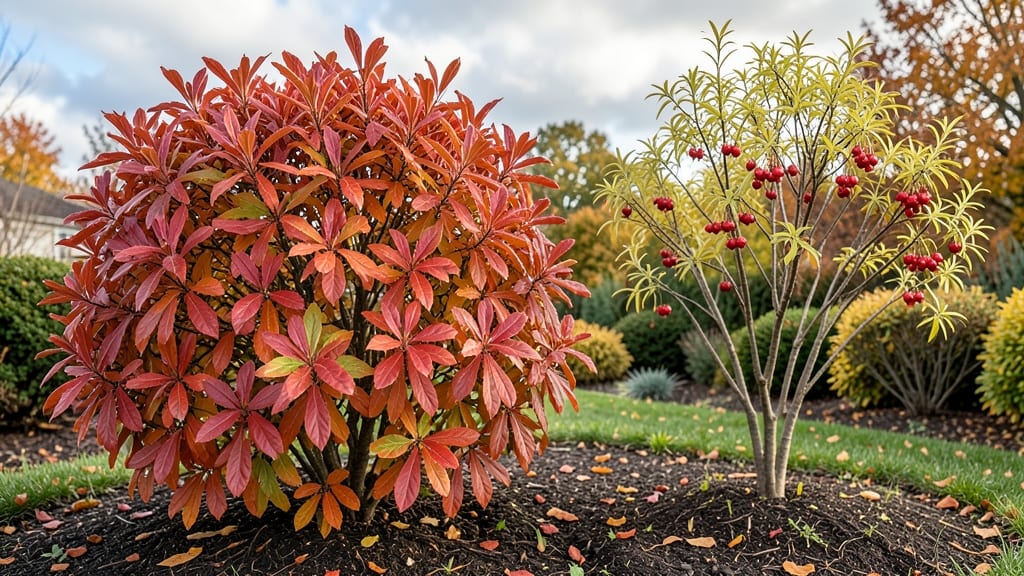
Layered pruning turns your burning bush spindle tree into a deer-resistant fortress of fall color. 🌿 I learned the hard way—skipping pruning left mine looking scraggly, while neighbors' trees blazed with vibrant red. The key is timing and technique, not brute force.
This tree thrives in full sun to partial shade with well-draining soil, but the real magic happens when you prune in late winter or early spring. Cut back old stems to encourage new growth, and watch those signature corky wings develop—deer avoid them like kudzu.
Start with 10-20% of the plant each year to avoid shock. By summer, you'll have a dense, bushy tree with glossy green leaves that turn fiery red in fall. The wildlife benefits don't hurt either—birds love the berries, and the thick foliage provides shelter.
Just remember: this isn't the invasive burning bush (Euonymus alatus 'Compactus' is the safe bet). For best results, prune again after flowering to shape the tree. The first year is the hardest—subsequent seasons get easier as the tree establishes its natural form. Want a foolproof method?
I'll show you how to layer your cuts for maximum density.
📚 In This Guide
- What you need
- Instructions
- Tips and common mistakes
- Wrapping up and next steps
What you need
- ● Pruning shears: Bypass pruners (sharp, 10-12 inch blades) for clean cuts on small branches.
- ● Loppers: 20-24 inch handles for thicker branches (½–1 inch diameter).
- ● Pruning saw: Curved-tooth saw for branches 1.5+ inches thick.
- ● Gloves: Heavy-duty, cut-resistant gloves (e.g., leather or synthetic mesh).
- ● Disinfectant: 70% isopropyl alcohol or bleach solution (1:9 ratio) to sterilize tools between cuts.
- ● Ladder or step stool: Sturdy, non-slip (e.g., 12–16 ft extension ladder for mature trees).
- ● Heavy-duty trash bags: 30–50 gallon capacity for debris (deer-resistant foliage can be composted!).
- ● Safety gear: Safety glasses (for debris protection).
- ● Long sleeves/pants (to avoid thorny branches).
- ● Hand pruners: Compact for ¼–½ inch twigs (great for shaping).
- ● Tree wound dressing: Pruning sealant (controversial—skip if your tree is burning bush spindle, which heals well on its own!).
- ● Marking twine: Colored twine to flag branches for removal (helpful for layered pruning plans).
- ● Work gloves with grip: For extra comfort on rough bark.
- ● Hose or bucket: To rinse tools and clean up sap.
How to prune a spindle tree for thicker, deer-resistant foliage
This is the pruning method I’ve used to transform spindly spindle trees into bushy, dense shrubs that deer leave alone.
✂️ Step 1: Prune in Late Winter or Early Spring
Timing matters most for spindle trees. I always prune in late winter (just before buds swell) or early spring (before new growth begins). This ensures you’re cutting back dormant wood, which heals faster and encourages vigorous regrowth. Avoid pruning in fall—new growth won’t harden off before winter, and frost damage becomes a risk.
Start by removing any dead, diseased, or crossing branches first. These are easy to spot—they’re brown, brittle, or growing inward. Use clean, sharp pruners to make cuts just outside the branch collar (the swollen area where the branch meets the trunk). This prevents unsightly stubs and helps wounds seal faster.
✂️ Step 2: Thin Out Overcrowded Branches
Spindle trees often grow with a central leader and sparse side branches. To encourage a fuller shape, I remove one-third of the oldest, thickest branches from the center of the shrub. These branches are usually 3-4 years old and can be identified by their thicker diameter and lighter color compared to newer growth.
Focus on branches that are rubbing against each other or growing directly upward. Cut them back to a strong lateral branch or bud. This opens up the center of the shrub, allowing sunlight to reach the interior and stimulating new growth from the base. You’ll see dense foliage fill in within 6-8 weeks of pruning.
✂️ Step 3: Shape for Density and Deer Resistance
Deer tend to avoid thick, dense shrubs because they can’t easily browse through them. To create that deer-resistant structure, I prune the remaining branches to one-third of their length. Start with the outer branches and work your way inward, cutting just above a leaf bud or lateral branch facing outward.
Step back frequently to check the shape. Aim for a rounded, layered look with branches spaced 6-12 inches apart. Avoid cutting back to bare wood—always leave some foliage to protect the branch from sun scorch. If you’re unsure where to cut, look for the small bump (bud) or side branch—this is your guide for the next season’s growth.
💧 Step 4: Post-Pruning Care for Faster Recovery
After pruning, spindle trees need extra care to bounce back quickly. Water deeply once a week for the first 4 weeks to help the plant recover from the stress of cutting. Mulch the base with 2-3 inches of organic mulch (like shredded bark) to retain moisture and protect roots from temperature swings.
I also apply a balanced fertilizer (10-10-10) in early spring to give the tree the nutrients it needs for new growth. Avoid heavy fertilizers—they can encourage too much soft growth, which is more attractive to deer. Instead, focus on moderate, steady feeding to build resilience.
⏰ Step 5: Monitor and Repeat Annually
Spindle trees respond best to light, annual pruning rather than heavy cuts every few years. I prune mine again in late winter of the following year, but this time I focus on fine-tuning the shape and removing any new branches that grew too close together. This keeps the shrub dense and deer-resistant year after year.
Watch for new growth in early spring—it should be vibrant green and upright. If you see weak, leggy growth, it’s a sign the tree needs more sunlight or less fertilizer. Adjust your approach the next year based on what you observe. Over time, your spindle tree will develop a thick, bushy habit that deer avoid like the woods.
Tips & tricks for perfect burning bush spindle tree pruning
Transforming your spindly spindle tree into a deer-resistant powerhouse takes a few key tricks I’ve picked up over the years.
Timing is Everything: Late winter or early spring is your window—this is when the tree is still dormant but ready to burst with new growth. I’ve learned the hard way that pruning in fall can leave your tree vulnerable to frost damage. Look for those swollen buds as your cue to start. If you miss the window, wait until late winter when the buds are just beginning to swell.
Branch Identification Trick: When thinning those overcrowded branches in Step 2, focus on the ones that are 3-4 years old—they’re usually thicker and lighter in color. Here’s what I do: I run my fingers along the branch—if it feels woody and rough, it’s an older branch ready to go. This simple touch test helps me make confident cuts without second-guessing.
Shape with Purpose: In Step 3, when you’re cutting branches to one-third their length, think about creating a layered look. Step back every few cuts to visualize the shape—you’re aiming for that rounded, bushy silhouette deer can’t easily reach into. A good trick is to imagine you’re building a dome; each cut should bring you closer to that ideal shape without leaving bare spots.
Post-Pruning Recovery: After all that cutting, your tree needs TLC. I can’t stress enough how critical those first 4 weeks of care are. Watering deeply once a week and applying that 2-3 inches of mulch creates a protective barrier that keeps roots happy and healthy. Think of it like giving your tree a cozy blanket—it helps retain moisture and regulates temperature swings that could stress the plant.
Pro Tips for Burning Bush Spindle Tree
- Transforming your spindly spindle tree into a deer-resistant powerhouse takes a few key tricks I’ve picked up over the years.
- Timing is Everything: Late winter or early spring is your window—this is when the tree is still dormant but ready to burst with new growth.
- Branch Identification Trick: When thinning those overcrowded branches in Step 2, focus on the ones that are 3-4 years old—they’re usually thicker and lighter in color.
Frequently asked questions
Got questions about pruning your burning bush spindle tree for that lush, deer-resistant look? You’re not alone! Here are answers to the most common queries—plus a few pro tips to keep your tree thriving.
When is the best time to prune a burning bush spindle tree?
The ideal window is late winter to early spring (just before new growth starts). This timing encourages vigorous, healthy regrowth while minimizing stress. Avoid heavy pruning in fall, as it can spur tender new shoots vulnerable to frost damage. For light shaping, you can trim summer blooms after flowering, but focus on structural cuts in dormant season.
How much can I prune my burning bush spindle tree at once?
Never remove more than 25-30% of the foliage in a single session—this prevents shock and promotes recovery. For young trees (under 3 years), limit cuts to 10-15% to avoid stunting growth. Mature trees can handle moderate rejuvenation pruning, but spread it over 2-3 years if needed. Think of it like a haircut: gradual layers look best!
Will pruning make my spindle tree even more deer-resistant?
Pruning encourages dense, thick growth—and deer hate navigating through tangled branches. Focus on open-center pruning to create a bushy, impenetrable structure. Plus, healthy trees are less appealing to deer as snacks. Combine pruning with deer-resistant companion plants (like boxwood or barberry) for extra protection.
What if my spindle tree isn’t recovering well after pruning?
Slow recovery often signals over-pruning, disease, or stress. Check for yellowing leaves (nutrient deficiency) or blackened cuts (fungus). If you’ve pruned too aggressively, stop cutting and focus on hydration and balanced fertilizer. For fungal issues, apply a copper fungicide and avoid wetting foliage during watering. Patience is key—new growth should appear in 4-6 weeks.
Are there alternatives to burning bush spindle trees for deer-resistant hedges?
Yes! If you love the structure and resilience but want variety, try:
- Boxwood – Dense, evergreen, and deer-deterrent (with thorny varieties like ‘Green Velvet’).
- Barberry – Thorny shrubs with vibrant foliage; deer avoid them.
- Oakleaf Hydrangea – Lush, layered growth and seasonal color changes.
- Ninebark – Tough, peeling bark, and deer-resistant once established.
Each has unique pruning needs, so research their growth habits first!
Wrapping up and next steps
The burning bush spindle tree is a standout choice for gardeners seeking low-maintenance, deer-resistant beauty with its vibrant foliage and structured growth. By mastering layered pruning, you’ll encourage a lush, dense canopy while keeping its natural shape—all while saving time and effort.
Whether you’re a pruning pro or just starting, this tree rewards patience with striking seasonal color and resilience.
Ready to transform your landscape? Grab your tools, pick a sunny day, and give your spindle tree the care it deserves! 🌿 For even more tips, explore our pruning guide or tag us in your before-and-after photos—we’d love to see your progress!