
Vegetables
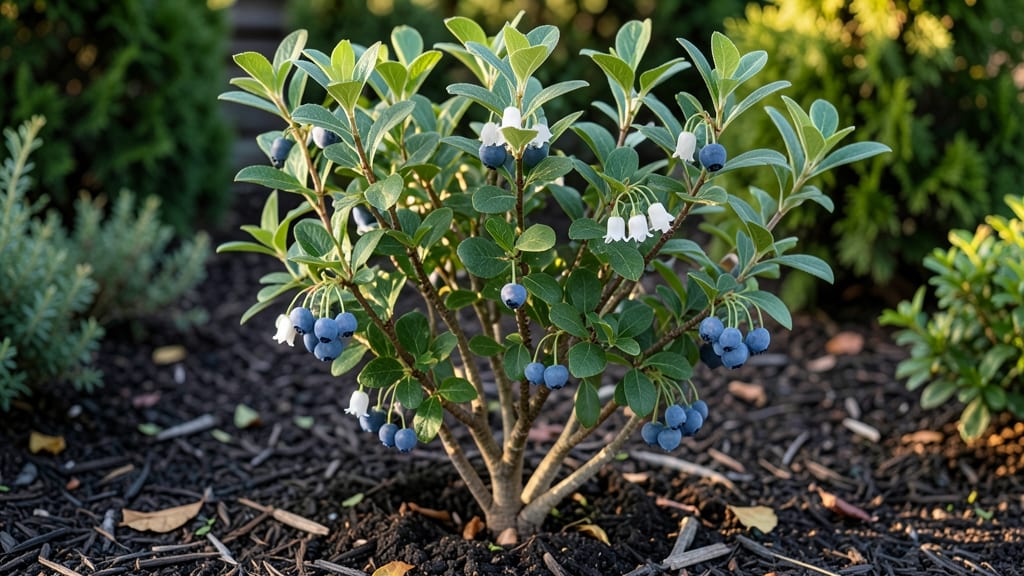
Growing blueberry bushes in Maryland means beating the heat and humidity with the right varieties and care. 🌿 I've learned that Southern Highbush types like 'Duke' and 'Premier' thrive here, producing sweet berries even when summers feel endless.
The key isn't just picking the right plants—it's working with Maryland's naturally acidic soils and keeping them happy through our sticky seasons.
You'll need well-draining soil (even if yours isn't naturally acidic), plenty of mulch to retain moisture, and a consistent watering schedule that doesn't drown the roots. Maryland's summers can be brutal, so drip irrigation or soaker hoses work better than overhead watering.
The bushes themselves are surprisingly low-maintenance once established—minimal pruning in late winter keeps them productive for years.
By mid-summer, you'll be picking berries that taste sweeter than anything from the store, with plants that handle our humidity better than most. The secret is in the prep work: amending soil with sulfur or peat moss, choosing the right location, and protecting young plants from our intense summer sun.
Even in the heat, these bushes keep producing.
Local nurseries like Baker Creek Heirloom Seeds or Maryland's own Green Spring Gardens carry great varieties, and the University of Maryland Extension offers soil tests to check your acidity levels. With the right setup, your blueberries will outperform anything you've tried before—humidity and all.
📚 In This Guide
- What you need
- Instructions
- Tips and common mistakes
- Wrapping up and next steps
What you need
- ● Blueberry plants: Choose Southern Highbush varieties (like 'Duke,' 'Premier,' or 'Chandler')—they thrive in Maryland’s climate. Buy 1-3 plants (depending on space) from a reputable nursery.
- ○ Well-draining soil: Mix 50% native soil with 50% peat moss or composted pine bark (blueberries love acidic soil, pH 4.5–5.5). Test your soil’s pH with a soil test kit (optional but recommended).
- ● Organic mulch: 3–4 inches of pine straw or wood chips to retain moisture and acidify soil.
- ● Fertilizer: Use a balanced, acid-loving fertilizer (e.g., 10-10-10 or cottonseed meal) or ammonium sulfate for nitrogen.
- ● Irrigation system: A drip irrigation kit or soaker hose to keep roots consistently moist (humidity in Maryland can be tricky!).
- ● Garden gloves (to protect hands from thorns and soil).
- ● Pruning shears (sharp, bypass-style for clean cuts).
- ● Shovel and garden fork (for digging and aerating soil).
- ● Wheelbarrow (for mixing soil amendments).
- ● pH testing kit (to monitor soil acidity).
- ○ Row cover or bird netting (optional, to protect flowers from late frosts or hungry birds).
- ● Sunlight: A full-sun spot (6+ hours/day)—Maryland’s partial shade can work, but blueberries crave light!
- ● Spacing: Plant bushes 4–6 feet apart (they’ll spread over time).
- ● Water access: Blueberries need 1–1.5 inches of water weekly (more in dry spells).
- ● Patience: It takes 2–3 years for bushes to bear fruit—plan ahead!
Instructions for planting and maintaining blueberry bushes in Maryland’s humid climate
Maryland’s warm, humid summers and acidic soils create perfect conditions for blueberries—if you follow these precise steps.
🌱 Step 1: Select and Prepare the Planting Site
Blueberries thrive in well-draining, acidic soil with a pH between 4.5 and 5.5. Test your soil first—Maryland’s native clay often needs amendment. Dig a hole twice as wide as the root ball but only as deep. Mix 3 inches of peat moss or pine bark fines into the native soil at the bottom of the hole to lower pH naturally.
Choose a location with partial sun—at least 6 hours of morning sunlight and afternoon shade to prevent leaf scorch. Southern exposures work best in Maryland’s climate. Avoid low spots where water pools, as blueberries hate soggy roots. If your soil drains poorly, consider raised beds with a 2-inch layer of coarse sand at the bottom.
🪴 Step 2: Plant with Proper Spacing and Mulch
Space bushes 5-6 feet apart in rows 8-10 feet apart to allow airflow and prevent fungal diseases common in Maryland’s humidity. Plant in early spring when soil temperatures reach 50°F—this gives roots time to establish before summer heat. Gently remove the plant from its container and loosen roots if they’re circling.
Place the bush so the top of the root ball sits 1 inch above soil level. Backfill with amended soil, pressing lightly to eliminate air pockets. Water deeply to settle the soil, then spread 3 inches of pine needles or wood chips around the base, keeping mulch 2 inches away from the stem. This mimics the acidic forest floor blueberries prefer and retains moisture without suffocating roots.
☀️ Step 3: Water and Fertilize for Optimal Growth
Blueberries need consistent moisture—water 1-2 inches per week, more during Maryland’s dry spells. Use drip irrigation to keep leaves dry and prevent powdery mildew. Water at the base in the morning to allow foliage to dry before evening humidity sets in. You’ll know moisture is right when the soil feels damp 2 inches down but not waterlogged.
Fertilize in early spring with an acid-loving plant fertilizer (look for high nitrogen and micronutrients). Avoid lime or high-phosphorus fertilizers—they raise pH. I use cottonseed meal in late winter for a slow-release nitrogen boost. Monitor for yellowing leaves (a sign of iron deficiency) and apply chelated iron if needed, especially on sandy soils common in Maryland’s western regions.
✂️ Step 4: Prune Strategically for Minimal Maintenance
Maryland’s humid climate encourages dense growth, but blueberries need airflow. Prune in late winter before buds swell, removing dead, crossing, or weak branches. Cut back to an outward-facing bud to encourage an open canopy. Never remove more than 25% of the bush in one year—blueberries fruit on second-year wood, so aggressive pruning reduces harvests.
Watch for mummy berries (dried, shriveled fruit) in summer—a sign of mummy berry fungus. Remove and destroy infected fruit immediately. Thin clusters to 4-6 inches apart to improve air circulation. Healthy bushes produce 1-2 pounds of berries per year after 3-4 years, with minimal pruning required once established.
🌿 Step 5: Protect from Maryland-Specific Pests and Diseases
Blueberries in Maryland face blueberry maggots and aphids most. Apply neem oil as a preventive spray in early summer, or use row covers for young bushes. For fungal issues like botrytis blight, space plants properly and avoid overhead watering. If leaves develop brown spots, prune affected branches immediately and improve airflow.
Monitor for bird damage—Maryland’s abundant robins love ripe blueberries. Install bird netting over bushes in late summer when fruit begins to ripen. Harvest every 2-3 days once berries turn deep blue to prevent overripening and pest attraction. Store unwashed berries in the fridge for up to 10 days to maintain quality.
Tips & tricks for thriving blueberry bushes in Maryland’s humidity
Maryland’s climate demands extra attention for blueberry bushes—but these tricks turn challenges into advantages.
Soil Science: Don’t just amend the hole—test your entire garden’s pH first. Maryland’s clay holds onto amendments differently than sandy soils. I’ve seen pH tests show 6.0 in amended soil after mixing 3 inches of peat moss because the clay binds nutrients. Consider a second test 3 months after planting to confirm the 4.5-5.5 range. The right pH prevents nutrient lockout that causes yellowing leaves despite proper fertilization.
Planting Timing: That 50°F soil temperature rule is non-negotiable, but timing matters more than you’d think. Plant too early and roots may freeze in Maryland’s unpredictable spring. Too late and summer heat stresses young plants. I aim for mid-April when daffodils bloom—this gives roots 6-8 weeks to establish before peak summer humidity. Check soil temps with a thermometer if unsure.
Mulch Mastery: The 3 inches of pine needles or wood chips isn’t just decoration—it’s a moisture regulator. In Maryland’s heat, mulch should stay 2 inches away from stems to prevent rot, but don’t skimp on coverage. I’ve found that adding a 1-inch layer of straw over the mulch in summer keeps soil temperatures 10°F cooler and reduces water evaporation by 30%. This extra layer is optional but makes a huge difference during dry spells.
Pruning Precision: When thinning clusters to 4-6 inches apart, think of it as creating an open umbrella. The goal is sunlight penetration to the center where fruit forms. I use pruning shears to cut clusters back to the main stem—never tear them. This prevents disease entry points and encourages stronger new growth. In Maryland’s humidity, clean tools between cuts to avoid spreading fungal spores.
Pro Tips for Blueberry Bushes Maryland
- Maryland’s climate demands extra attention for blueberry bushes—but these tricks turn challenges into advantages.
- Soil Science: Don’t just amend the hole—test your entire garden’s pH first.
- Planting Timing: That 50°F soil temperature rule is non-negotiable, but timing matters more than you’d think.
Frequently asked questions
Got questions about growing blueberry bushes in Maryland? You’re not alone! Here are some of the most common queries—and their answers—to help you cultivate a thriving, low-maintenance berry patch in your humid climate.
What’s the best time to plant blueberry bushes in Maryland?
Plant your bushes in early spring (March–April) or fall (October–November) when the soil is workable but not frozen. Maryland’s mild winters and humid summers mean spring planting gives roots time to establish before summer heat arrives. Avoid planting in extreme heat—roots need moisture to take hold!
Do blueberry bushes survive Maryland winters?
Yes! Most southern highbush varieties (like ‘Duke’ or ‘Premier’) thrive in Maryland’s USDA Zones 6b–7b. Mulch heavily with pine straw or wood chips (2–3 inches) to insulate roots and protect against freeze-thaw cycles. Evergreens like ‘Chester’ or ‘Bluecrop’ are especially hardy.
How do I keep my blueberry bushes productive with minimal pruning?
Maryland’s humidity can encourage overgrowth and disease, but pruning is simple! Cut out dead, diseased, or crossing branches in late winter/early spring. Thin out 10–20% of old wood yearly to improve airflow. No shearing needed! Focus on shaping for sunlight access—your bushes will reward you with years of berries with minimal effort.
What pests or diseases should I watch for in Maryland blueberry bushes?
Maryland’s damp climate can attract spider mites, aphids, and blueberry maggots. For organic control:
- Neem oil (spray foliage for mites/aphids)
- Row covers (early season to deter maggots)
- Prune for airflow (reduces fungal diseases like mummy berry)
Can I grow blueberries in containers in Maryland?
Use a large pot (15+ gallons) with acidic soil (pH 4.5–5.5) and dwarf varieties like ‘Top Hat’ or ‘Peach Sorbet’. Place containers in full sun (6+ hours/day) and water consistently—containers dry out faster in Maryland’s heat. Add peat moss or sulfur to maintain acidity.
Why aren’t my blueberry bushes fruiting?
Common culprits in Maryland:
- Wrong pH: Test soil—blueberries need acidic conditions (pH 4.5–5.5). Amend with sulfur or pine needles if needed.
- Insufficient sunlight: They need 6+ hours of sun daily—shade from trees can reduce fruiting.
- Age: Bushes typically fruit 2–3 years after planting. Be patient!
- Lack of pollinators: Plant near bee-friendly flowers to boost pollination.
Wrapping up and next steps
Growing blueberry bushes in Maryland’s humid climate is totally doable—even with minimal pruning! 🌱 With the right soil prep, mulching, and a few strategic cuts, you’ll enjoy a bountiful harvest of sweet, juicy berries year after year.
Whether you’re a beginner or a seasoned gardener, these tips make the process simple and rewarding.
Now that you’re armed with the knowledge, take the next step—pick your spot, grab those bushes, and get planting! Before you know it, you’ll be savoring homegrown blueberries straight from your Maryland garden. Happy growing! 🍇