
Planting
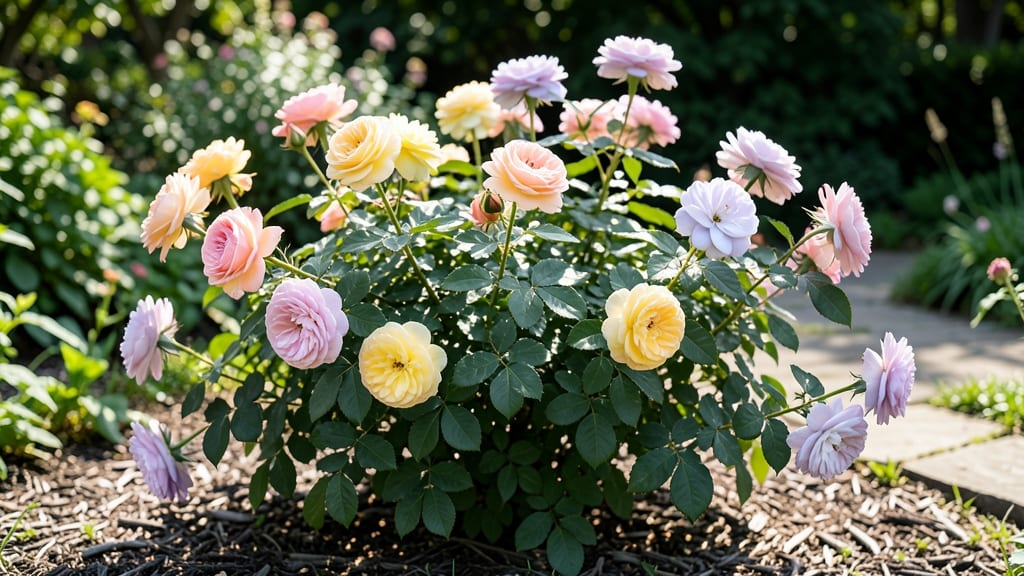
Multicolored blooms that last all season—without the pruning headache. 🌸 The rainbow rose bush plant isn't just another pretty face; it's a disease-resistant powerhouse that rewards minimal effort with vibrant, ever-changing flowers from spring through fall.
I've grown mine for three years now, and it's become the star of my garden with almost no fuss.
The secret lies in its hardy nature—it thrives in average garden soil, handles partial shade better than most roses, and rarely needs more than one deep watering per week once established.
Unlike fussy hybrid teas, this bush stays compact (usually 3-4 feet tall) and blooms continuously, so you get nonstop color without constant deadheading.
What you'll love most is how low-maintenance it is. While other roses demand weekly pruning, this one only needs light shaping in late winter to keep it looking tidy.
The blooms themselves are a mix of pink, yellow, and white, often with two-tone petals that shift as they mature—like nature's own watercolor palette.
Perfect for beginners, small spaces, or gardeners who want beauty without the work. Here's how to grow one that thrives from day one—no green thumb required.
📚 In This Guide
- What you need
- Instructions
- Tips and common mistakes
- Wrapping up and next steps
What you need
- ● Rainbow rose bush plant: Choose a healthy, disease-free Rosa 'Rainbow' or similar variety from a reputable nursery or garden center. Opt for a 1- to 3-gallon container-grown plant for best results.
- ● Well-draining soil: A mix of 60% topsoil, 30% compost, and 10% perlite or sand (to prevent root rot). Test your soil’s pH—aim for 6.0 to 6.5.
- ● Fertilizer: A balanced, slow-release fertilizer (e.g., 10-10-10 or rose-specific formula) or organic options like fish emulsion or composted manure.
- ● Mulch: 2-3 inches of organic mulch (e.g., wood chips or shredded bark) to retain moisture and suppress weeds.
- ● Watering can or hose with a gentle spray nozzle: Roses need 1-1.5 inches of water per week, especially during the first year.
- ● Pruning shears: Sharp, bypass-pruning shears (sterilized with rubbing alcohol) for minimal trimming.
- ○ Stakes or supports (optional but helpful): If your rose bush grows tall, use 3-4 wooden stakes or metal cages to provide structure.
- ● Garden gloves: Protect your hands from thorns and dirt.
- ● Trowel or spade: For digging holes and planting.
- ● Plant food or liquid fertilizer: For a mid-season boost (e.g., rose-specific feed every 4-6 weeks).
- ● Pest control: Neem oil or insecticidal soap (preventative measure for aphids or spider mites).
- ● Rain gauge or moisture meter: To monitor watering needs accurately.
- ● Decorative rocks or pebbles: For a polished look around the base of the bush.
Step-by-step guide to planting and maintaining a rainbow rose bush
Here's how to plant and care for a vibrant rainbow rose bush that blooms year-round with minimal fuss.
🌱 Step 1: Choose the Perfect Planting Location
Rainbow rose bushes thrive in full sun—select a spot that receives at least 6-8 hours of direct sunlight daily. I always check the area for at least 4 hours of afternoon sun, as this is when roses need the most light to fuel their vibrant blooms. Avoid low-lying spots where cold air settles, as roses are sensitive to frost damage.
Test the soil drainage by digging a 6-inch hole—if water pools after 10 minutes, amend the soil with 2-3 inches of organic compost or sand to improve drainage. The roots need oxygen, and soggy soil will rot them faster than you can prune. I like to add a handful of slow-release rose fertilizer to the bottom of the hole before planting—this gives the bush a nutrient boost right when it needs it most.
🪴 Step 2: Plant the Rainbow Rose Bush Correctly
Dig a hole twice as wide as the root ball but no deeper—this prevents the graft union (the swollen bump on the stem) from being buried, which can cause disease. Gently loosen the roots if they’re circling tightly, then place the bush in the hole so the graft union sits 2-3 inches above soil level. Backfill with native soil mixed with compost, tamping lightly to remove air pockets.
Water deeply immediately after planting to settle the soil and eliminate air gaps around the roots. You’ll know it’s right when water drains evenly from the hole without pooling. Mulch the base with 2-3 inches of organic mulch, keeping it 6 inches away from the stem to prevent rot. This retains moisture and regulates soil temperature—critical for rainbow roses, which are sensitive to temperature swings.
☀️ Step 3: Water and Fertilize for Continuous Blooms
Water your rainbow rose bush deeply once a week, aiming for 1-1.5 inches of water per session. I check moisture by sticking my finger 2 inches into the soil—if it’s dry, it’s time to water. Overwatering is the fastest way to kill a rose bush, so always let the top 1-2 inches of soil dry out between waterings. Early morning is the best time to water, as it reduces fungal risks from prolonged leaf wetness.
Feed your bush with a balanced rose fertilizer every 4-6 weeks during the growing season (spring through fall). I switch to a low-nitrogen, high-phosphorus formula when buds form to encourage more blooms. Avoid high-nitrogen fertilizers—they’ll give you lush foliage but few flowers. Deadhead spent blooms regularly to redirect the plant’s energy into new growth, not seed production.
✂️ Step 4: Prune for Year-Round Color with Minimal Effort
Prune your rainbow rose bush once a year in early spring (just as new growth begins) to shape it and encourage dense, colorful blooms. Remove any dead, diseased, or crossing branches first—these are the easiest to spot and the most critical to cut. Then, trim back last year’s growth by one-third, cutting just above an outward-facing bud to open the center of the bush for better airflow and light penetration.
I never prune more than one-third of the plant at a time, as this stresses the bush and reduces flowering. After pruning, apply a copper fungicide spray as a preventive measure—rainbow roses are prone to black spot, and an ounce of prevention saves hours of cleanup later. Water thoroughly after pruning to help the plant recover quickly.
🌿 Step 5: Protect and Maintain for Long-Term Vibrancy
Watch for aphids, spider mites, or rose slugs—these pests love the tender new growth of rainbow roses. I treat infestations immediately with neem oil or insecticidal soap, focusing on the undersides of leaves where pests hide. For severe cases, a horticultural oil spray in early spring smothers overwintering eggs before they hatch.
In late fall, apply a 3-inch layer of mulch around the base (again, keeping it away from the stem) to insulate the roots during winter. I also reduce watering as temperatures drop, letting the soil dry out more between waterings. With this care, your rainbow rose bush will reward you with year-round color and minimal pruning effort—just as promised.
Tips & tricks for perfect rainbow rose bush planting and care
Here's what nobody tells you about keeping your rainbow roses vibrant with almost no effort.
Sunlight Strategy: That 6-8 hours of sunlight isn't just about quantity—it's about quality. Early morning sun helps dry dew quickly, preventing fungal diseases, while those crucial 4 hours of afternoon sun are when roses photosynthesize most efficiently. I've seen roses in partial shade still bloom, but the colors never reach that vibrant rainbow spectrum. If your yard has limited afternoon sun, consider a south-facing location or even a reflective surface nearby to maximize light exposure.
Soil Test Hack: Before amending that 6-inch hole with compost, do a quick soil test by squeezing a handful of damp soil. If it crumbles easily, your drainage is good. If it sticks together like clay, you definitely need that 2-3 inches of organic compost or sand. I keep a small bag of perlite handy for particularly dense soils—just mix in a handful to create instant drainage channels. The roots will thank you by developing stronger and faster.
Watering Wisdom: The 1-1.5 inches of water recommendation is based on average conditions, but your actual needs depend on your climate. In hot summers, you might need to water twice weekly, while cooler seasons may only require weekly watering. I always check moisture by sticking my finger 2 inches deep—if it feels dry, that's your cue. The key is consistency: better to water deeply and less frequently than shallow daily sprinkles that encourage weak root growth.
Pruning Precision: When you're trimming back that one-third of last year's growth, look for the outward-facing buds—these are your growth signals. Cutting just above them ensures new branches grow outward, creating that beautiful rounded shape. I use sharp pruners and make clean cuts at a 45-degree angle about 1/4 inch above the bud. This small detail makes all the difference in how quickly your bush recovers and blooms again.
Pro Tips for Rainbow Rose Bush Plant
- Here's what nobody tells you about keeping your rainbow roses vibrant with almost no effort.
- Sunlight Strategy: That 6-8 hours of sunlight isn't just about quantity—it's about quality.
- Soil Test Hack: Before amending that 6-inch hole with compost, do a quick soil test by squeezing a handful of damp soil.
Frequently asked questions
Got questions about your rainbow rose bush plant? You’re not alone! Here are some of the most common inquiries—plus quick, practical answers to keep your blooms thriving with ease.
How often should I water my rainbow rose bush?
Water deeply 1-2 times per week, depending on your climate. Aim for 1-2 inches of water per week, ensuring the soil stays moist but not soggy. Mulch around the base to retain moisture and reduce evaporation. Morning watering is best to prevent fungal issues.
When is the best time to plant a rainbow rose bush?
Plant in early spring or fall for optimal root establishment. Avoid extreme heat (summer) or frost (winter). If planting in containers, use well-draining soil and ensure the pot has drainage holes. Pro tip: Soak roots in water for 1-2 hours before planting to reduce transplant shock!
Why aren’t my rainbow roses blooming as much as expected?
Several factors could be at play:
- Insufficient sunlight: Rainbow roses need 6+ hours of direct sun daily.
- Over-fertilizing: Too much nitrogen promotes foliage over flowers. Use a balanced rose fertilizer (e.g., 10-10-10) sparingly.
- Pruning timing: Prune after blooming (late winter/early spring) to encourage new growth.
Can rainbow rose bushes grow in containers?
Choose a large container (at least 15-20 gallons) with drainage holes. Use a lightweight potting mix blended with compost. Container roses may need more frequent watering and winter protection (move indoors or wrap the pot). Varieties like ‘Rainbow Knock Out’ thrive in pots!
How do I protect my rainbow rose bush in winter?
In cold climates (below 10°F/-12°C), mulch heavily (3-4 inches) around the base and wrap the bush in burlap. For container roses, move to a sheltered spot or insulate with bubble wrap. Pro tip: Avoid pruning in late fall—wait until early spring to trim dead wood and encourage new growth.
What should I do if my rainbow rose bush gets yellow leaves?
Yellow leaves often signal overwatering, nutrient deficiency, or fungal issues.
- Check soil moisture—let the top 1-2 inches dry out between waterings.
- Test soil pH (ideal: 6.0-6.5) and amend with sulfur if too alkaline.
- Look for black spots (fungus)—prune affected leaves and spray with fungicide.
Wrapping up and next steps
Growing a rainbow rose bush plant is a rewarding way to add vibrant, low-maintenance color to your garden year-round! With its striking blooms and minimal pruning needs, this beauty thrives with just the right care—sunlight, well-draining soil, and occasional attention.
Whether you're a seasoned gardener or just starting, this plant offers a splash of joy with far less effort than you’d expect.
Ready to transform your outdoor space? Start by selecting the perfect spot—then grab your tools and get planting! Your future self (and your garden guests) will thank you for this burst of natural beauty. 🌸✨