
Companion Plants
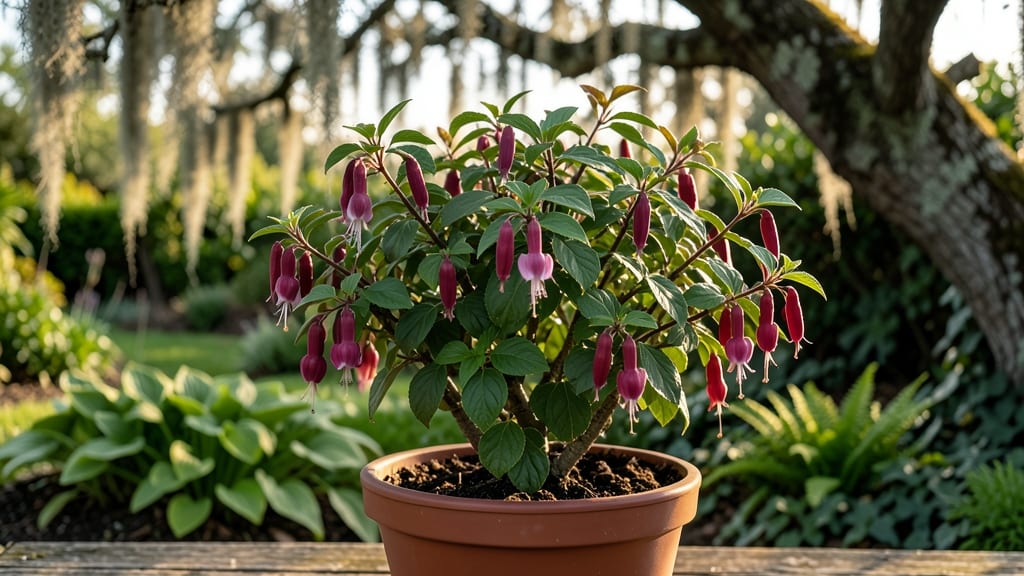
Bush fuchsias bring fragrant, cascading blooms to your garden with almost no effort—once you know their secrets. 🌿 I've grown them for years, and they reward patience with flowers from spring to frost, even in partial shade where other plants struggle.
The key is moist, well-draining soil and morning sun (afternoon shade prevents scorched leaves). They thrive in zones 6-10, making them versatile for cool climates too. Plant them where you can enjoy their sweet, honey-like scent up close—containers, borders, or even hanging baskets work beautifully.
With minimal pruning (just trim leggy stems after blooming), they stay compact and bushy. Deadhead spent flowers to encourage nonstop blooms, and watch them become the star of your garden. The dark green foliage contrasts perfectly with their striking red-orange flowers.
For advanced gardeners, try propagating cuttings in spring—it's easy and lets you create new plants for free. Even beginners will love how forgiving these plants are once established. Let's get growing!
📚 In This Guide
- What you need
- Instructions
- Tips and common mistakes
- Wrapping up and next steps
What you need
- ● Bush fuchsia plants: 1–3 starter plants (nursery-grown or propagated from cuttings). Choose healthy, disease-free specimens with vibrant foliage.
- ● Well-draining potting mix: 1–2 bags (5–10 gallons) of a high-quality peat-free mix blended with perlite or orchid bark (50/50 ratio) for aeration.
- ● Containers: For outdoor planting: 1–2 hanging baskets (12–18 inches in diameter) or large pots (10–12 inches deep) with drainage holes.
- ● For indoor growing: 1–2 shallow, wide containers (8–10 inches) with saucers to catch excess water.
- ● Slow-release fertilizer: 1 packet (10–15 oz) of balanced 10-10-10 or 20-20-20 granules to mix into the soil at planting.
- ○ Mulch (optional but recommended): 1 bag of bark chips or coconut coir to retain moisture and suppress weeds.
- ● Gloves: 1 pair of gardening gloves to protect your hands from soil and thorns.
- ● Trowel or small shovel: 1 for digging and transplanting.
- ● Pruning shears: 1 pair (sterilized with rubbing alcohol) for trimming dead blooms or shaping plants.
- ● Watering can or hose with a gentle spray nozzle: 1 to avoid disturbing the soil.
- ○ Spray bottle (for humidity): 1 (optional) to mist leaves if growing indoors.
- ● Sunlight access: A spot with morning sun and afternoon shade (or bright, indirect light indoors).
- ○ pH testing kit (optional): 1 to ensure soil pH is between 5.5–6.5 (slightly acidic).
Step-by-step guide to cultivating thriving bush fuchsia plants
Here's how to grow fragrant, long-blooming fuchsias that reward you with minimal effort.
🌱 Step 1: Select Healthy Starts and Prepare the Planting Site
Choose established bush fuchsia plants with compact growth habits and multiple stems—these will bloom more abundantly from day one. Look for plants with deep green, glossy leaves and no signs of yellowing or spots, which indicate disease. I always inspect the roots too; healthy roots should be white or light tan, not brown or mushy.
Fuchsias thrive in partial shade, especially in hotter climates, where they appreciate protection from midday sun. A spot with morning sun and afternoon shade works best. If planting in a container, ensure it's at least 12 inches deep with drainage holes—fuchsias hate soggy roots. Amend the soil with 2-3 inches of compost to improve drainage and provide nutrients.
☀️ Step 2: Plant and Establish for Optimal Growth
Dig a hole twice as wide as the root ball but no deeper—this prevents root suffocation. Gently remove the plant from its container and loosen any circling roots with your fingers. Place the plant in the hole so the top of the root ball sits 1 inch below soil level; this encourages stronger root growth. Backfill with the amended soil, pressing lightly to eliminate air pockets.
Water deeply right after planting to settle the soil and remove any air gaps. You'll know it's done right when water runs out the drainage holes—this ensures the roots make full contact with moist soil. Mulch around the base with 2-3 inches of organic mulch, like shredded bark, to retain moisture and regulate soil temperature. Keep the mulch 2 inches away from the stem to prevent rot.
💧 Step 3: Water and Fertilize for Continuous Blooms
Fuchsias need consistent moisture, especially during their blooming season. Water when the top inch of soil feels dry to the touch, typically 2-3 times per week in warm weather. Avoid overhead watering—it can damage delicate flowers and encourage fungal diseases. Instead, water at the base using a soaker hose or drip irrigation for targeted hydration.
Feed your fuchsias with a balanced, water-soluble fertilizer (10-10-10) every 4-6 weeks during the growing season. You'll see the difference in 2-3 weeks: leaves stay vibrant, and blooms multiply. Reduce fertilization in fall and winter, as growth slows. I also add a slow-release granular fertilizer in early spring to kickstart new growth.
✂️ Step 4: Prune Strategically for Bushier Growth
Bush fuchsias benefit from light pruning to encourage branching and more flowers. Pinch back the tips of new growth when stems reach 4-6 inches tall—this triggers the plant to produce side shoots. Use clean, sharp pruners to make cuts just above a leaf node (the bump where leaves attach). Avoid heavy pruning; fuchsias bloom on new growth, so cutting back too much reduces flowering.
Deadhead spent blooms regularly to redirect the plant's energy into producing new flowers. I do this by snipping the stem just below the faded bloom, often finding a new bud forming nearby. In late fall, cut back leggy stems by one-third to tidy the plant and prepare it for dormancy. This minimal pruning keeps your fuchsias compact and flowering year-round.
🌿 Step 5: Overwinter for Year-Round Fragrance
If growing outdoors in colder climates, protect your fuchsias from frost. Before the first freeze, move potted plants to a cool, bright location (like a garage or shed) where temperatures stay above 35°F. Reduce watering significantly, allowing the soil to dry out between waterings. In-ground plants can be mulched heavily and covered with burlap for insulation.
Resume regular care in early spring when temperatures rise above 50°F consistently. You'll notice new growth within 2-3 weeks—this is your cue to fertilize lightly and gradually reintroduce water. With proper overwintering, your bush fuchsias will reward you with fragrant blooms for years to come, requiring minimal effort beyond what you've already done.
Tips & tricks for thriving bush fuchsia plants
Here's what nobody tells you about keeping these fragrant beauties blooming year after year.
Root Health Check: Before planting, soak the root ball in water for 10 minutes to ensure it's fully hydrated. This helps prevent transplant shock and encourages faster establishment in the 12-inch-deep containers or garden beds. I also gently massage the roots to loosen any compacted soil—this gives them a head start in spreading through the amended soil with 2-3 inches of compost.
Lighting Strategy: If your fuchsias aren't blooming as expected, they might be getting too much direct sun. In hotter climates, the morning sun and afternoon shade rule is crucial—midday sun can scorch delicate leaves. I've found that placing them near a north-facing window or under a sheer curtain works wonders for indoor plants. For outdoor growers, a 50% shade cloth during peak sun hours can make all the difference.
Watering Wisdom: The top inch dry rule works, but timing matters too. I water my fuchsias in the early morning so the leaves have time to dry before evening. This prevents fungal issues like powdery mildew that can plague these plants when moisture lingers on foliage. For container plants, I check the weight—when they feel noticeably lighter, it's time to water again.
Pruning Precision: When pinching back those 4-6 inch stems, look for the leaf node—it's that little bump where leaves attach. Cut just above it at a 45-degree angle to prevent water from pooling. This small detail makes a huge difference in preventing rot while encouraging those side shoots. I always sterilize my pruners with rubbing alcohol between cuts to avoid spreading disease.
Pro Tips for Bush Fuchsia Plants
- Here's what nobody tells you about keeping these fragrant beauties blooming year after year.
- Root Health Check: Before planting, soak the root ball in water for 10 minutes to ensure it's fully hydrated. This he...
- Lighting Strategy: If your fuchsias aren't blooming as expected, they might be getting too much direct sun. In hotter...
Frequently asked questions
Got questions about growing bush fuchsia plants? You’re not alone! Here are answers to the most common queries—from care tips to troubleshooting—to help you keep your fragrant blooms thriving all year.
How often should I water bush fuchsias?
Water when the top inch of soil feels dry—usually every 2–3 days in summer and weekly in winter. Overwatering is the #1 killer! Ensure pots have drainage holes, and avoid soggy soil to prevent root rot. Pro tip: Mist leaves occasionally in dry climates to boost humidity.
Can bush fuchsias survive winter outdoors?
Most varieties are tender perennials and need protection below 20°F (-7°C). In colder zones, bring potted plants indoors near a sunny window or move them to a garage (above freezing). For in-ground plants, mulch heavily and wrap the base with burlap. Bonus: They’ll reward you with earlier spring blooms!
Why aren’t my bush fuchsias blooming?
Lack of blooms often means too much shade, over-fertilizing with nitrogen, or not enough light. Ensure they get 4–6 hours of morning sun and use a balanced 10-10-10 fertilizer (lightly!) every 4–6 weeks. Deadhead spent flowers to encourage new buds. Fix: Rotate pots for even light exposure.
What pests commonly attack bush fuchsias?
Watch for aphids, spider mites, and whiteflies, which love the tender new growth. Blast pests off with water or use neem oil (diluted) for organic control. Preventative tip: Inspect leaves weekly and remove infested foliage immediately. Warning: Avoid harsh chemicals—they’ll harm pollinators!
Are there low-maintenance alternatives to bush fuchsias?
Yes! Try angelonia (drought-tolerant, purple blooms) or sweet almond bush (Murraya paniculata) for fragrant, low-pruning perennials. For trailing options, fuchsia ‘Giantess’ or helichrysum are easy-care picks. Swap idea: Both thrive in similar conditions but with less fuss!
Wrapping up and next steps
Bush fuchsias are a low-maintenance, fragrant gem that rewards gardeners with vibrant blooms and minimal fuss. Whether you’re a seasoned gardener or just starting, these plants prove that beauty and ease go hand in hand—just provide a little sunlight, well-draining soil, and occasional deadheading.
Ready to transform your garden or patio? Start with one bush fuchsia today and enjoy the sweet, year-round show! 🌸
- Next step: Pick your favorite variety, grab a pot or garden spot, and get planting!