
Pruning
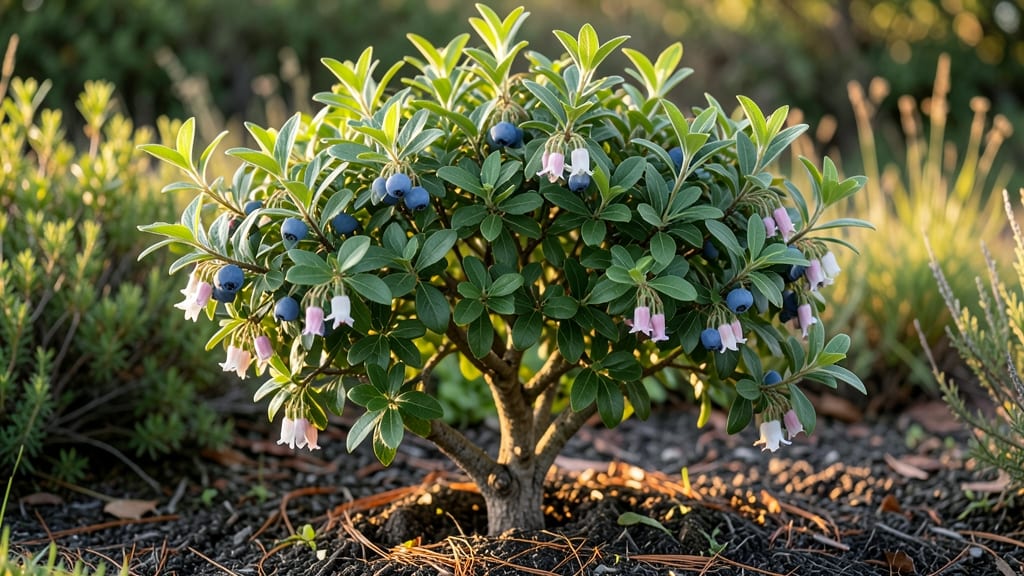
Growing a thriving blueberry bush with plenty of sun exposure is the key to sweet, abundant harvests 🫐 — and getting it right makes all the difference between a few berries and a bush full of them.
Struggling to get your blueberry bushes to produce the juicy harvests you dream of? The secret might be hiding in the sunlight—or lack thereof—your plants receive daily.
Blueberry bushes crave at least 6 hours of direct sunlight every day, but too much harsh afternoon sun can scorch leaves and burn fruit. Finding that perfect balance is easier than you think, and I’ll show you how to position your bushes for the best possible growth.
From pruning for better light access to troubleshooting shade issues, you’ll discover 5 simple tricks to maximize your blueberry harvest—no green thumb required.

How much sun do blueberry bushes need for maximum fruit production?
If you're growing blueberry bushes, understanding their sunlight requirements is the foundation for a bountiful harvest. These acid-loving shrubs thrive when they receive the right balance of light—too little, and your berries will be small or sparse; too much, and the plants can become stressed.
For maximum fruit production, aim for 6 to 10 hours of direct sunlight daily. This range ensures your bushes develop strong canes, abundant flowers, and plump, juicy berries.
But here's the catch: the exact amount can vary based on your climate zone, bush variety, and even the time of year.
For example, northern climates with cooler summers might benefit from slightly more sunlight—up to 10 hours—to compensate for shorter growing seasons. Meanwhile, southern regions with intense afternoon sun may require afternoon shade to prevent leaf scorch. The key is observing your bushes and adjusting their placement as needed.
If your berries are small or your plants look leggy, it’s often a sign they’re not getting enough light. Conversely, crispy leaf edges or wilting can indicate too much sun exposure.
Blueberry bushes are full-sun plants, but they’re not as tolerant of extreme heat as some other fruiting shrubs. In regions with hot summers, providing afternoon shade (especially between 2 PM and 5 PM) can protect the delicate flowers and fruit from sunburn. This is particularly important for varieties like Rabbiteye and Southern Highbush blueberries, which are more sensitive to heat stress. A simple solution is to plant them near taller trees or install shade cloth temporarily during peak summer months.
Seasonal adjustments are crucial for optimizing sunlight exposure. In spring and fall, when temperatures are milder, blueberry bushes can handle full sun from morning until early evening. However, during summer’s peak heat, even a few hours of afternoon shade can make a difference.
For instance, if you notice your bushes wilting or developing crispy leaf edges by midday, it’s time to provide some relief.
You can achieve this by installing temporary shade cloth, planting them near a fence or trellis that casts afternoon shade, or even moving potted bushes to a slightly shadier spot for a few hours each day.
Another critical factor is the orientation of your garden. In the Northern Hemisphere, a south-facing location ensures your blueberry bushes receive the most sunlight throughout the day.
If your yard is limited to east or west-facing spots, prioritize the east-facing side for morning sun, which is gentler and less likely to cause stress. West-facing areas can work too, but be prepared to provide afternoon shade during hot summers.
Always avoid north-facing spots entirely, as they receive the least sunlight and are unsuitable for blueberries.
Identifying under-exposure signs early can save your harvest. If your blueberry bushes aren’t getting enough light, you’ll likely see long, weak stems with sparse foliage, and the berries will be small and tart.
In contrast, over-exposure manifests as yellowing or browning leaf edges, curled leaves, and fruit that develops a dry, papery texture. Both conditions reduce fruit quality and quantity, so it’s essential to monitor your bushes regularly.
A quick way to check sunlight exposure is to observe the shadow pattern around your bushes at midday. If the area under the bush is fully shaded, it’s likely getting enough light.
For container-grown blueberries, sunlight needs are even more critical because pots limit root growth and water retention. Place your containers in a location where they receive at least 6 hours of direct sunlight, and rotate them occasionally to ensure even exposure.
If you’re growing blueberries in a greenhouse or high tunnel, ensure proper ventilation to prevent heat buildup, which can stress the plants even if they’re getting ample light. In these controlled environments, supplement with grow lights if natural sunlight falls short, especially during winter months when daylight is limited.
Finally, don’t overlook the role of reflective surfaces in your garden. Light-colored mulch, gravel, or even white-painted walls can bounce extra sunlight onto your blueberry bushes, effectively increasing their exposure without additional space. This trick is particularly useful in shaded gardens or for bushes planted near taller structures.
By combining the right sunlight exposure with proper soil care and watering, you’ll set your blueberry bushes up for a flavorful, abundant harvest year after year.
🌿
5 Sunlight hacks to boost blueberry bush growth and berry size
Want those plump, juicy blueberries you've been dreaming of? The key might be in how you're managing the sunlight exposure for your bushes. Even if your garden gets plenty of sun, small tweaks can make a huge difference in both berry size and overall plant health.
Blueberries thrive in full sun conditions, but not all sunlight is created equal. Morning sun warms the plants gently, while harsh afternoon rays can stress them—especially in hot climates. Let's explore five sunlight hacks that will transform your blueberry bushes into berry-producing powerhouses.
🌞 5 Sunlight Hacks for Blueberry Bushes
-
1. Strategic Pruning for Sun Access
Remove dense inner branches to let morning sunlight penetrate deeper into the bush. -
2. Reflective Mulch Magic
Use white gravel or light-colored mulch around the base to bounce extra sunlight onto leaves. -
3. Companion Planting for Sun
Plant sun-loving companions like thyme or marigolds nearby to create a sunlight microclimate. -
4. Seasonal Sun Adjustments
In summer, provide afternoon shade cloth (30-50%) to prevent heat stress while maintaining full sun exposure. -
5. Rotate Plant Position
Move potted bushes quarter-turns every 2-3 weeks to ensure even sunlight distribution.
Let's start with the most impactful hack: strategic pruning. Many gardeners make the mistake of pruning only for shape, but blueberries need open canopies to maximize sunlight penetration. Focus on removing crossing branches and any growth that's shading the center of the bush.
For reflective mulch, I recommend using white pebbles or even a light-colored landscape fabric under dark mulch. This simple trick can increase sunlight exposure by up to 15% during critical growth periods. Just be sure to keep the mulch 2-3 inches away from the stem to prevent rot.
Don't overlook the power of companion planting. Tall plants like sunflowers can actually help by casting shade on hot afternoons while still allowing morning sun to reach your blueberries. Just position them on the west side of your bushes to avoid blocking essential morning light.
Seasonal adjustments are crucial, especially in hot climates. During peak summer months, I've seen blueberry bushes go from thriving to stressed in just a few days when they get too much afternoon sun. A light shade cloth can make all the difference while still allowing plenty of beneficial sunlight.
Finally, if you're growing blueberries in containers, don't forget to rotate them regularly. This ensures all sides get equal sunlight exposure, which is particularly important for berry development. A simple quarter-turn every few weeks keeps your bushes growing evenly and producing more fruit.
With these sunlight hacks, you'll be well on your way to growing bigger, sweeter blueberries than ever before. The best part? Most of these techniques take just a few minutes to implement and can make an immediate difference in your harvest.