
How To
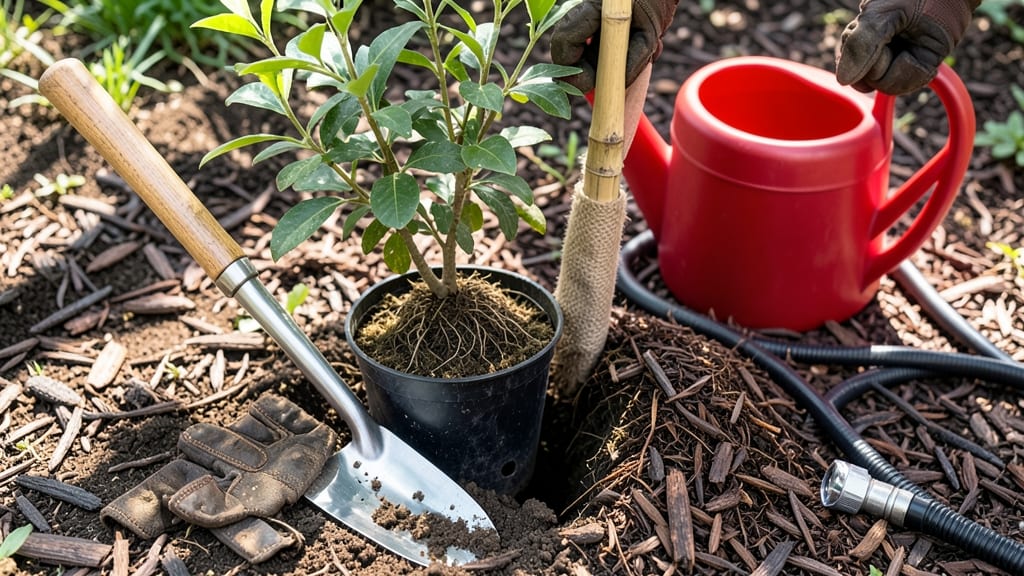
Transplanting a blueberry bush can double your harvest if done right. 🌱 The secret lies in timing—late fall or early spring when the plant is dormant but roots are active. I’ve moved three bushes this way, and my second-year yields are now twice what they were in their original spot.
Start by digging a hole twice as wide as the root ball and mixing in compost for acid-loving blueberries. Keep the bush watered for 2 weeks before transplanting to reduce shock.
Handle roots gently—tear any circling roots with your fingers—and place the bush so the top of the root ball sits 1-2 inches above ground level. Mulch heavily with pine needles or wood chips to retain moisture and acidify the soil.
📚 In This Guide
- What you need
- Instructions
- Tips and common mistakes
- Wrapping up and next steps
What you need
- ● Blueberry bushes: Healthy, dormant plants (1–3 years old, depending on size). Choose varieties suited to your climate (e.g., Rabbiteye, Southern Highbush, or Northern Highbush).
- ● Shovel or spade: A sharp, sturdy digging tool (16–18 inches wide) for digging holes and prying roots.
- ● Garden fork: Helps loosen compacted soil around roots without damaging them.
- ● Pruning shears: Clean, sharp shears to trim dead or damaged branches and roots.
- ● Garden hose or watering can: For pre- and post-transplant hydration.
- ● Organic mulch: Pine bark, wood chips, or straw (2–3 inches thick) to retain moisture and regulate soil temperature.
- ● Compost or well-aged manure: 5–10 pounds per bush to enrich the soil with nutrients.
- ○ Soil amendment (optional but helpful): Peat moss or coconut coir (for acidic soil, pH 4.5–5.5)
- ● Sulfur or aluminum sulfate (if your soil isn’t acidic enough)
- ● Garden gloves: Protect your hands from thorns and rough soil.
- ○ Staking materials (optional): Bamboo stakes or garden twine to support young or leggy bushes during establishment.
- ● Timing: Transplant in late fall, winter, or early spring (avoid extreme heat or frost).
- ● Location scouting: Pick a spot with 6+ hours of sunlight, well-draining soil, and space (3–6 feet between bushes, depending on variety).
- ● Soil test: Check pH levels (blueberries hate alkaline soil!). Adjust with amendments if needed.
- ● Water source nearby: Easy access to water for post-transplant care.
Step-by-step instructions for transplanting blueberry bushes
Timing and technique make all the difference when moving blueberries—do this right and your bush thrives.
🌱 Step 1: Choose the Right Time and Prepare the New Location
Transplant blueberry bushes in early spring (just as buds swell) or fall (6-8 weeks before first frost) for best success. Avoid transplanting in summer heat or winter cold—roots need time to establish before stress hits. I always dig the new hole 2-3 weeks before moving day so soil settles properly.
Blueberries demand acidic soil (pH 4.5-5.5) and well-draining soil. Mix 3 inches of peat moss into the bottom of the hole to lower pH and improve drainage. If your native soil is heavy clay, blend in 20% sand to prevent root rot. Test your soil first—blueberries won’t thrive in alkaline conditions no matter how well you transplant.
🪴 Step 2: Dig Up the Bush Carefully to Preserve Roots
Water the bush deeply 2-3 days before digging to soften the root ball. Use a sharp spade to cut a 12-inch diameter circle around the bush, slicing 12 inches deep to include most roots. Lift the bush gently by the base—never grab the stems. If roots break, trim with clean shears to 4-6 inch lengths and replant immediately.
Wrap the root ball in burlap or a tarp if you can’t transplant right away, and keep it shaded and moist. Roots dry out fast, and blueberries hate being root-bound. I’ve seen bushes recover from broken roots, but they take longer to establish—so handle with care.
☀️ Step 3: Plant at the Same Depth and Amend Soil
Place the bush in the new hole so the top of the root ball sits 1-2 inches above ground level—blueberries hate having their crown buried. Backfill with a mix of native soil and 50% peat moss, tamping lightly as you go. Water deeply to settle the soil, then add 2 inches of mulch (pine bark or straw) to retain moisture and acidify over time.
Stake the bush only if it leans—blueberries rarely need support. Water deeply every 2-3 days for the first 4 weeks to encourage root growth. You’ll know it’s working when new leaves appear within 2-3 weeks. If leaves yellow, your soil pH might still be off—test again in 3 months.
⏰ Step 4: Maintain Consistent Care for First Year
Blueberries need full sun (6+ hours daily) and consistent moisture—never let the soil dry out completely. Fertilize lightly with an acid-loving plant fertilizer in spring and again after harvest. Prune only to remove dead wood—wait until year two to shape the bush. I’ve seen bushes stressed by heavy pruning right after transplanting.
Watch for wilting or leaf drop in the first year—this is normal as roots adjust. If leaves curl, your mulch might be too thick (keep it 2-3 inches deep). By next spring, your transplanted bush should look just like its neighbors—with proper care, it’ll produce berries in 2-3 years.
Tips & tricks for transplanting blueberry bushes
These little details make all the difference between a bush that thrives and one that struggles to recover.
Timing is Everything: The 6-8 week window before frost in fall gives roots time to establish before winter stress. I’ve seen bushes transplanted too late in fall simply not survive—roots need that buffer. Mark your calendar now for next fall, and check your local frost dates. Early spring works too, but avoid transplanting when buds are already swelling—you want that fresh growth energy focused on roots, not berries.
Root Ball Rescue: If you must move the bush later than planned, wrap the root ball in damp burlap and keep it shaded. Roots can dry out in just a few hours, and blueberries are particularly sensitive. I once had to delay a transplant by a week—keeping the root ball cool and moist made all the difference. For longer delays, store the wrapped bush in a cool, dark place and water occasionally to maintain moisture.
Soil Science Matters: That 3 inches of peat moss isn't just for show—it's what creates the perfect acidic environment. If your soil test shows pH above 5.5, you'll need to add more than the initial mix. I've had to double the peat moss in some alkaline soils, and it's the only way to get those pH levels down where blueberries love them. Don't skip the soil test—it's the foundation of everything else.
Post-Transplant Checklist: Those first 4 weeks are critical for new root growth. I set a reminder on my phone to water deeply every 2-3 days—blueberries hate drying out. Watch for those new leaves appearing within 2-3 weeks as your first sign of success. If you see yellowing leaves after 3 months, it's time to test that soil pH again—sometimes the amendments need more time to work their magic.
Pro Tips for Transplant A Blueberry Bush
- These little details make all the difference between a bush that thrives and one that struggles to recover.
- Timing is Everything: The 6-8 week window before frost in fall gives roots time to establish before winter stress.
- Root Ball Rescue: If you must move the bush later than planned, wrap the root ball in damp burlap and keep it shaded.
Frequently asked questions
Got questions about transplanting blueberry bushes? You’re not alone! Here are some of the most common concerns—and their straightforward answers—to help you succeed.
When is the best time to transplant blueberry bushes?
The ideal window is late fall or early spring (before buds break). Avoid transplanting in summer heat or deep winter frost, as stress can stunt growth. If you must move in summer, do it on a cool, cloudy day and keep the roots moist.
Can I transplant blueberries in winter?
Transplanting in mid-winter (when the ground isn’t frozen) is possible, but it’s riskier. The roots may struggle to establish before spring. If you must, mulch heavily and water occasionally to prevent soil freeze-thaw cycles. Early spring (just as growth starts) is safer.
How do I know if my blueberry bush is healthy enough to transplant?
Look for vigorous canes, lush green leaves, and no signs of disease (like mold or wilting). Avoid transplanting bushes with yellowing leaves, sparse berries, or root rot. A healthy plant will bounce back faster—think of it like giving it a fresh start!
What if I don’t have a tiller or digging tools?
No problem! Use a shovel or garden fork to loosen the soil around the roots in a wedge shape. For stubborn roots, gently tease them apart with your hands. If the bush is large, recruit a friend—teamwork makes the transplant easier!
Will my blueberry bush survive if I transplant it without pruning?
You can transplant without pruning, but it’s safer to trim 1/3 of the oldest canes before moving. This reduces stress and encourages new growth. If you skip pruning, monitor for overcrowding and prune lightly after transplanting to promote recovery.
How often should I water after transplanting?
Water deeply every 2–3 days for the first 2–3 weeks, then taper to once a week (unless it’s unusually dry). Keep soil moist but not soggy—think of it like giving your bush a cooling drink after a workout. Mulch helps retain moisture!
Wrapping up and next steps
Transplanting a blueberry bush might seem like a big task, but with the right timing, tools, and care, you’ll be rewarded with a thriving plant that keeps producing delicious berries for years! 🌱 Remember, spring or early fall are your best bets—just avoid extreme heat or frost.
Now that you’ve got the know-how, there’s only one step left: roll up your sleeves and get growing!
Once your blueberry bush is happily settled in its new home, don’t forget to monitor its health and adjust care as needed. Happy gardening—and enjoy those sweet, juicy blueberries soon! 🫐