
Pruning
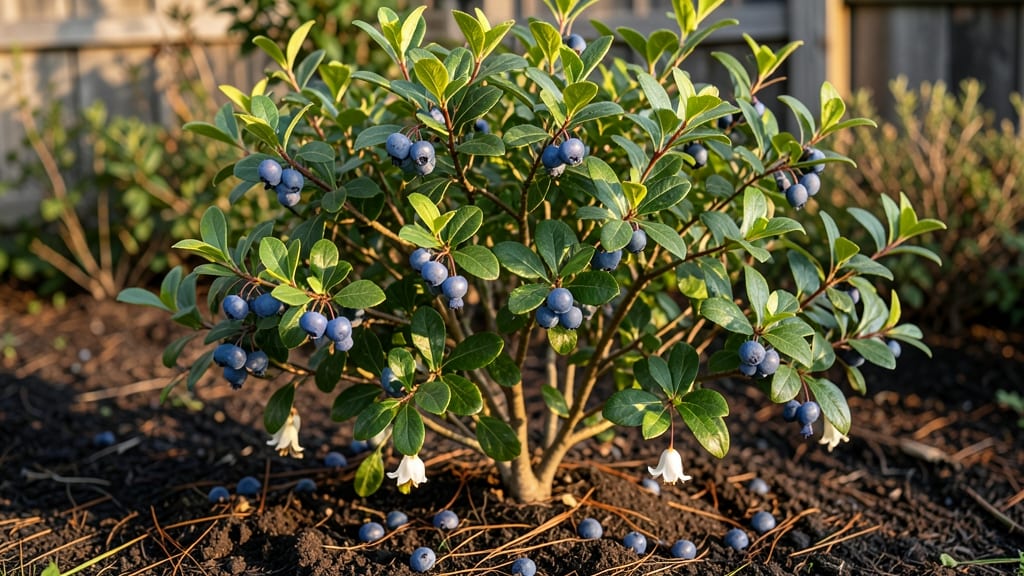
A full-grown blueberry bush 🫐 can reach heights of 6 to 12 feet and spread nearly as wide, transforming your yard into a lush, berry-producing powerhouse.
Imagine plucking juicy, homegrown blueberries straight from your own backyard—no store-bought substitutes needed. But before you can enjoy that harvest, you need to understand what a full-grown blueberry bush really looks like, how much space it needs, and how to care for it to maximize yields.
These shrubs aren’t just big—they’re high-maintenance in the best way. Proper spacing, pruning, and soil care are the keys to keeping them productive for decades. Without the right approach, you might end up with a bush that’s all leaves and no berries.
In this guide, I’ll break down everything you need to know—from sizing and spacing to seasonal care—so your blueberry bush thrives and delivers bucketfuls of fruit every summer.
How big does a full-grown blueberry bush get? Size, variety & spacing requirements
When planning your blueberry patch, knowing the full-grown blueberry bush size is crucial for proper spacing and yield optimization. Most varieties reach maturity between 3 to 12 feet tall, with spreads of 4 to 10 feet wide, depending on the type.
Understanding these dimensions helps you avoid overcrowding, which can reduce fruit production and increase disease risks.
Blueberry bushes come in three main categories: Northern highbush, Southern highbush, and rabbiteye varieties, each with distinct mature sizes. Lowbush varieties, common in the Northeast, stay compact at just 1 to 3 feet tall.
Choosing the right variety for your climate and space ensures healthy growth and bountiful harvests every season.
Proper blueberry bush spacing is essential for airflow and sunlight penetration, both critical for fruit development. Standard varieties need 5 to 6 feet between plants, while dwarf types can be spaced 3 to 4 feet apart.
Overcrowding leads to smaller berries and increased susceptibility to fungal diseases like botrytis blight.
Here’s a quick comparison of mature blueberry bush sizes by variety to help you plan your garden layout:
For small gardens, dwarf varieties like ‘Top Hat’ or ‘Peach Sorbet’ are perfect, reaching just 3 to 5 feet tall while producing abundant fruit. These compact bushes thrive in containers or tight spaces, making them ideal for patios or urban yards.
Just ensure they get full sun and acidic soil to flourish.
Spacing directly impacts your blueberry yield. Plants that are too close compete for nutrients and sunlight, resulting in smaller berries and fewer clusters. Conversely, proper spacing improves air circulation, reducing humidity around leaves and lowering the risk of fungal infections.
Aim for 5 feet between standard bushes and 3 feet for dwarfs to balance productivity and plant health.
If you’re planting multiple bushes, consider their pollination needs. Most blueberry varieties are self-pollinating, but planting two different varieties 5 to 10 feet apart can boost yields by up to 30%.
For example, pairing ‘Bluecrop’ (Northern highbush) with ‘Duke’ (Southern highbush) ensures cross-pollination and a longer harvest season.
In container gardening, dwarf varieties excel with 15-gallon pots providing enough root space. Use a high-quality, acidic potting mix and repot every 2–3 years to prevent root binding. Containers also allow you to move bushes to optimal sunlight spots seasonally, which is especially helpful in partial-shade climates.
Remember, pruning young bushes encourages a stronger structure and better airflow. Remove weak or crossing branches in late winter or early spring before new growth begins. This habit prevents overcrowding as the bush matures, ensuring it reaches its full genetic potential for size and fruit production.
With the right variety and spacing, your full-grown blueberry bush will thrive for decades, rewarding you with pounds of juicy berries each summer. Start small, plan carefully, and soon you’ll be harvesting enough blueberries to share with neighbors—or freeze for winter treats!
Step-by-step care guide for a full-grown blueberry bush to maximize fruit production
A full-grown blueberry bush thrives with the right care, and understanding its needs is key to a bountiful harvest. Whether you're dealing with a Northern highbush, Southern highbush, or rabbiteye variety, consistent attention to pruning, soil, and watering will make all the difference.
Let’s break down the essential steps to keep your bush productive and healthy year after year.
One of the biggest mistakes gardeners make is neglecting soil acidity—blueberries are acid-loving plants and require a pH between 4.5 and 5.5. If your soil is too alkaline, your bush will struggle to absorb nutrients, leading to poor fruit production.
Testing your soil annually and amending it with peat moss or sulfur can save your harvest.
Now, let’s dive into the step-by-step care routine that will transform your blueberry bush into a fruit-producing powerhouse.
Step-by-Step Care for a Full-Grown Blueberry Bush
-
Step 1: Prune in Late Winter/Early Spring
Remove dead or diseased wood first, then cut back last year’s fruit-bearing branches by ⅓. Thin out crowded branches to improve airflow and sunlight penetration. -
Step 2: Adjust Soil pH (If Needed)
Test soil pH in fall or early spring. If above 5.5, amend with sulfur or peat moss (follow package instructions). Re-test in 2-3 months. -
Step 3: Fertilize in Early Spring
Apply a balanced acid-loving fertilizer (10-10-10) at 1 tbsp per plant after last frost. Avoid fertilizing in summer or fall to prevent late-season growth. -
Step 4: Water Deeply & Consistently
Water 2-3 times per week (more in summer heat1-2 gallons per plant. Keep soil moist but not soggy—blueberries hate "wet feet." -
Step 5: Mulch & Monitor for Pests
Apply 3-4 inches of pine bark mulch to retain moisture and acidity. Watch for blueberry maggots or aphids—spray with neem oil if detected early.
Pruning is where many gardeners go wrong—over-pruning can reduce next year’s harvest. Always prune after fruiting (late summer) to avoid removing potential fruit-bearing branches. And remember, younger wood produces more fruit, so encourage new growth by thinning older branches.
Another critical tip: blueberries need consistent moisture, especially during flowering and fruiting. Skipping watering during these stages can lead to small, underdeveloped berries or even dropped fruit. A drip irrigation system is ideal for delivering water directly to the roots without wetting the foliage, which helps prevent fungal diseases.
Finally, don’t overlook winter care. While blueberries are hardy, protecting them from winter desiccation (drying out) and late-season frost can boost next year’s yield. Apply a thick layer of mulch in late fall and consider wrapping young bushes in burlap if your winters are harsh.
With these steps, your full-grown blueberry bush will reward you with juicy, abundant berries for years to come. Happy gardening! 🫐