
Container Gardens
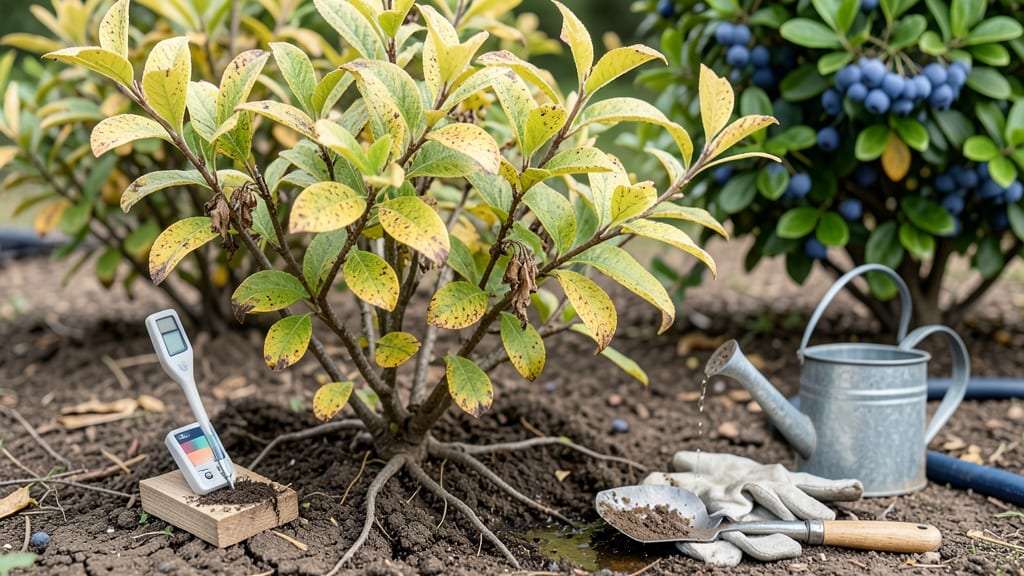
A blueberry bush not growing can feel like a mystery—until you know the five key fixes that bring them back to life. 🌱 Last summer, my bush sat stubbornly bare while neighbors' plants burst with berries, and I realized it wasn’t laziness—it was fixable problems hiding in plain sight.
The most common culprits? Soil too acidic or too alkaline, sunlight blocked by overgrown shrubs, or inconsistent watering that stresses roots. I learned to test pH with a simple kit, prune competing plants, and set a watering timer—small changes that made a huge difference within weeks.
By the end of the season, my bush had new green shoots and tiny buds forming. The secret isn’t complicated: check the soil, adjust sunlight, and keep moisture steady. Even neglected bushes bounce back with the right care.
This works for container-grown bushes too—just swap soil and adjust watering frequency. Let’s diagnose yours and get those berries growing again this year.
Root Causes Behind Stunted Growth
When your blueberry bush refuses to thrive, it’s often a sign that something fundamental is off—whether it’s in the soil, the environment, or the plant’s own biology. Understanding these underlying issues is the first step to reviving your bush.
Below, we break down the most common culprits behind poor growth, explained in clear, actionable terms.
Blueberries are picky eaters when it comes to soil—too much alkalinity, poor drainage, or nutrient deficiencies can stunt growth faster than you’d think. Here’s why:
- Wrong pH Levels (Too Alkaline) Blueberries thrive in acidic soil (pH 4.5–5.5). If your soil is too alkaline (pH above 6.0), nutrients like iron, manganese, and phosphorus become locked away, starving the roots.
Without these, new growth slows or stops entirely. - Signs: Yellowing leaves (chlorosis), stunted stems, or no new berries. - Fix: Test your soil (DIY kits are cheap!) and amend with sulfur, peat moss, or pine needles to lower pH.
- Compacted or Waterlogged Soil Blueberries hate soggy feet.
Poor drainage causes root rot (a fungal infection that chokes roots), while compacted soil restricts oxygen flow, stifling growth. - Signs: Wilting, dark mushy roots, or a bush that looks "drowned." - Fix: Improve drainage by raising beds, adding perlite, or planting in containers with drainage holes.
- Nutrient Deficiencies Even acidic soil can lack critical nutrients.
Nitrogen (for leaves), phosphorus (for roots), and potassium (for overall health) are essential. - Signs: Pale yellow leaves (nitrogen), purple stems (phosphorus), or weak, spindly growth (potassium). - Fix: Use a balanced organic fertilizer (like 10-10-10) or composted manure in early spring.
Blueberries are hardy but not indestructible. Extreme temperatures, sunlight imbalances, or harsh winds can shock the plant into dormancy—or worse, death.
- Inadequate Sunlight Blueberries need 6–10 hours of full sun daily.
Too little light = weak stems, small leaves, and no flowering (which means no berries next year). - Signs: Leggy growth, pale leaves, or bush sprawling outward. - Fix: Prune nearby shade trees or relocate the bush to a sunnier spot.
- Temperature Extremes
- Too Hot: Heatwaves (above 90°F) can burn leaves or cause flower drop, reducing next year’s harvest.
- Too Cold: Late frosts (below 28°F) can kill flowers before they open, while winter freezes may damage roots if mulch is insufficient.
- Fix: Use row covers in spring, mulch heavily in winter, and choose cold-hardy varieties (like ‘Duke’ or ‘Bluecrop’).
- Wind or Physical Damage Strong winds desiccate leaves, and hail or heavy rain can bruise stems, diverting energy away from growth.
- Fix: Plant near a windbreak (like a fence or taller shrubs) or stake young bushes to prevent bending.
Hidden invaders can siphon nutrients or block photosynthesis, leaving your bush looking half-dead.
- Root Weevils or Grubs These pests chew on roots, reducing water/nutrient uptake. Adult weevils also defoliate leaves.
- Signs: Jagged leaf edges, wilting, or sawdust-like frass (insect droppings) near the base.
- Fix: Apply neem oil or beneficial nematodes in early spring. Handpick adults at dusk.
- Fungal Infections (Botrytis, Anthracnose) Overhead watering or humid climates promote gray mold or leaf spots, which weaken the plant.
- Signs: Brown spots with yellow halos, mushy berries, or blackened canes.
- Fix: Prune infected branches, space plants for airflow, and spray copper fungicide preventatively.
- Birds or Squirrels While they eat berries, they also peck at buds and flowers, reducing next year’s growth.
- Fix: Use netting over the bush during flowering or reflective tape to scare them off.
Even healthy blueberries can slow down if not pruned correctly or if they’re past their prime.
- Over-Pruning or Wrong Timing Cutting too aggressively (especially in fall or winter) can shock the bush, leaving it vulnerable to disease or stunted regrowth.
- Fix: Prune in late winter/early spring (before buds swell), removing dead wood and crossing branches—never more than 25% of the bush at once.
- Old or Overcrowded Bushes Blueberries live 15–25 years, but after 10 years, growth slows as the center fills with wood. Overcrowding also blocks sunlight to inner branches. - Fix: Rejuvenate old bushes by cutting back 1/3 of the oldest canes annually.
Thin out dense areas to improve airflow.
- Dormancy Confusion If your bush doesn’t get enough chill hours (300–900 hours below 45°F), it may fail to bloom, leading to no berries—and thus, no energy for new growth.
- Fix: In warm climates, choose low-chill varieties (like ‘Top Hat’ or ‘O’Neal’) or simulate winter with a cold frame.
Pro Tip: 🔍 Before diagnosing, rule out the basics: Check soil pH, inspect roots for rot, and look for pests. Often, the fix is simpler than you think!
Revive Your Blueberry Bush Now
If your blueberry bush is struggling to grow, don’t panic—there’s always a way to turn things around! The key is identifying the root cause (literally!) and taking targeted action. Below are practical, step-by-step solutions tailored to the most common issues, plus prevention tips to keep your bush thriving long-term.
Problem: Compacted, acidic, or nutrient-deficient soil stunts growth.
How to Fix It: ✅ Test the pH – Use a soil test kit (available at garden centers) to confirm acidity. Blueberries thrive in pH 4.5–5.5. If your soil is too alkaline, amend it with sulfur or peat moss (follow package instructions).
✅ Improve Drainage – If water pools around the roots, mix in compost or sand to loosen the soil. Raised beds or containers with drainage holes can also help.
✅ Feed with Organic Matter – Spread 2–3 inches of compost or well-rotted manure around the base (keep it 3–4 inches away from the trunk). Mulch with pine needles or oak leaves to maintain acidity naturally.
💡 Prevention Tip: Test soil annually and top-dress with compost every spring.
Problem: Blueberries need 6–10 hours of full sun daily—shady spots slow growth.
How to Fix It: 🔥 Relocate the Bush – If possible, move it to a sunnier spot. Dig carefully to preserve roots, then transplant in early spring or fall.
🍳 Prune Overhanging Branches – Trim nearby trees or shrubs blocking sunlight with clean, sharp shears.
👨🍳 Use Reflective Surfaces – Place a white garden mirror or reflective mulch near the bush to bounce extra light onto the leaves.
⏰ Extend the Growing Season – In cold climates, use frost blankets in early spring to warm the soil and encourage faster growth.
💡 Prevention Tip: Choose a south-facing location when planting new blueberry bushes.
Problem: Too little or too much water stresses roots.
How to Fix It: 🌡️ Water Deeply & Consistently – Blueberries need 1–1.5 inches of water per week (more in extreme heat). Water at the base, not the leaves, to prevent fungal diseases.
🥗 Check Moisture Levels – Stick your finger 2 inches into the soil; if it’s dry, water again. Use a moisture meter for accuracy.
🎯 Avoid Overwatering – Yellowing leaves or moldy soil? Improve drainage by adding perlite or coconut coir to the mix.
✨ Mulch Properly – Apply 3–4 inches of mulch (pine bark or straw) to retain moisture and regulate temperature.
💡 Prevention Tip: Water in the early morning to reduce evaporation and fungal risks.
Problem: Aphids, spider mites, or fungal infections (like powdery mildew) sap energy.
How to Fix It: 🔪 Inspect Leaves & Stems – Look for holes, webbing, or white powdery spots. Treat early!
🍎 Natural Pest Control –
- Aphids/Mites: Spray with neem oil or insecticidal soap (follow label rates).
- Birds/Squirrels: Use netting to protect berries while allowing pollination.
🌿 Fungal Issues? –
- Prune infected branches immediately.
- Apply copper fungicide or a baking soda spray (1 tsp baking soda + 1 quart water + a drop of dish soap).
💡 Prevention Tip: Rotate pruning tools between bushes to prevent disease spread.
Problem: Late frosts, extreme heat, or winter burns can shock the plant.
How to Fix It: 🌡️ Protect from Late Frosts – Cover young bushes with frost cloth if temperatures dip below 28°F.
🥶 Winterize Properly –
- Mulch heavily (6+ inches) with straw or leaves before the first freeze.
- Wrap the base with burlap if your climate drops below 0°F.
🔥 Heat Stress? – Provide afternoon shade with a lightweight shade cloth (30–50% coverage).
💡 Prevention Tip: Plant cold-hardy varieties (like ‘Duke’ or ‘Jersey’) if you live in Zone 3–5.
Need a fast reference? Here’s how to diagnose and act:
| Issue | Signs | Solution | Prevention |
|---|---|---|---|
| Poor Soil | Slow growth, yellow leaves | Amend with sulfur/compost | Test soil yearly |
| Not Enough Sun | Leggy stems, few berries | Relocate or prune shade | Plant in full sun |
| Water Problems | Wilting or moldy soil | Adjust watering + improve drainage | Mulch & water deeply |
| Pests/Disease | Holes, spots, sticky residue | Neem oil, prune, fungicide | Rotate tools, monitor regularly |
| Weather Damage | Brown tips, stunted growth | Frost cloth, mulch, shade cloth | Choose hardy varieties |
Final Thought: Most blueberry bushes recover quickly with the right care! Start with soil and water, then tackle sunlight and pests. Before you know it, you’ll be harvesting juicy, homegrown blueberries—and maybe even sharing them with neighbors! 🍇✨
Frequently asked questions
Why does my blueberry bush have yellow leaves but no new growth?
Yellow leaves (chlorosis) often mean your soil is too alkaline or lacks iron/manganese. Blueberries need acidic soil (pH 4.5–5.5). Test your soil and amend with sulfur or peat moss to lower pH. Without proper nutrients, even healthy-looking bushes won’t produce new shoots.
Can I save a blueberry bush that’s been underwatered for weeks?
Yes, but act fast! Water deeply at the base (not leaves) until soil is moist 2 inches down. Mulch with pine bark to retain moisture. If roots are mushy (root rot), trim affected areas and improve drainage with perlite or sand. Recovery takes 2–4 weeks of consistent care.
How do I tell if my blueberry bush is dead or just dormant?
Scratch the bark—if it’s green underneath, the bush is alive! Check for buds at the base (even tiny ones) or new shoots in spring. Dormant bushes have dry leaves but intact canes. If no buds appear by late winter, the bush may be dead from extreme cold, disease, or root damage.
Will pruning help a blueberry bush that’s not growing?
Pruning alone won’t fix growth issues, but it helps! Remove dead, crossing, or overcrowded branches in late winter to improve airflow. Never prune more than 25% of the bush at once—this can stress it further. Focus on fixing soil, water, and sunlight first.
Can container-grown blueberries grow without soil amendments?
Containers need acidic potting mix (pH 4.5–5.5) with perlite for drainage. Use a blueberry-specific mix or blend peat moss, pine bark, and compost. Fertilize monthly with acid-loving plant food during growing season. Without amendments, nutrients leach out faster in containers.