
Shrubs
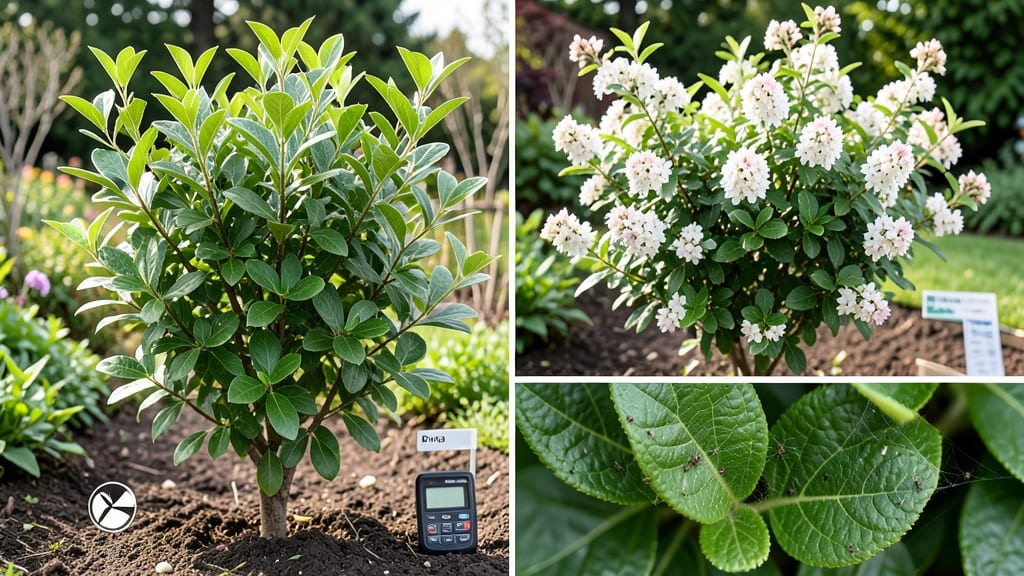
A blueberry bush not flowering can leave you staring at lush green leaves and wondering where the berries went.
You’ve watered, pruned, and even talked to it (okay, maybe not the last part), but still—no blooms. The good news? Most of the time, it’s not a mystery. It’s usually one of three hidden issues that are easy to fix once you know what to look for.
From soil pH to sunlight tricks, I’ll walk you through the most common reasons your 🫐 blueberry bush is playing hard to bloom—and exactly how to get it back on track. No more guesswork, just actionable fixes for a fruitful harvest next season.
Ready to turn those buds into berries? Let’s troubleshoot the problem step by step, starting with the simplest checks that often reveal the biggest clues.
3 Hidden reasons your blueberry bush won’t flower (and how to fix each)
Your blueberry bush might look healthy with lush green leaves, but if it’s skipping the flowering stage, you’re not alone. Many gardeners overlook subtle clues that prevent blueberry bushes from blooming—leaving them frustrated when harvest time rolls around.
The good news? Most issues are fixable with targeted adjustments to care, environment, or plant health.
Before reaching for fertilizers or pruning tools, ask yourself: Is my bush young? Did I prune incorrectly last season? Or is it starving for nutrients? These three hidden causes often fly under the radar but can completely block the flowering process.
Let’s uncover them—and how to reverse each one—so you can enjoy sweet berries next season.
🔍 3 Hidden Causes Blocking Blueberry Blooms
If your bush is younger than 3 years, patience is key—don’t force flowering. Focus on soil health and sunlight exposure to build a strong root system. Most blueberry varieties (like 'Duke' or 'Bluecrop') won’t flower until their third year, but proper care accelerates maturity.
For example, my 2-year-old 'Jersey' bush finally bloomed after I added composted pine needles to lower soil pH.
Pruning mistakes are the #1 cause of no flowers. Many gardeners prune in fall or summer, but this removes next year’s flower buds, which form in late summer/fall. Instead, prune in late winter (February-March) when the bush is dormant.
Use sharp, clean shears and cut back 1/3 of the oldest canes to encourage new growth where flowers will form.
Nutrient deficiencies often go unnoticed because symptoms mimic other issues. For instance, yellowing leaves might signal iron deficiency (common in alkaline soil), while purple stems indicate phosphorus starvation. Test your soil’s pH—blueberries thrive at 4.5–5.5.
If your soil is too alkaline, mix in sulfur or peat moss and re-test in 6 weeks. I once had a bush with no flowers until I adjusted its pH from 6.2 to 5.0 using elemental sulfur granules.
Environmental factors like insufficient sunlight or winter warmth can also sabotage blooms. Blueberries need 6–8 hours of direct sun daily. If your bush is in shade, move it or prune nearby trees.
Additionally, winter temperatures above 45°F (7°C) can prevent dormancy, so mulch heavily with pine straw or wood chips to protect roots and encourage flowering.
Here’s a quick fix for each cause: For young bushes, add 1 inch of compost annually. For pruning errors, skip this year’s pruning and focus on flower bud protection.
For nutrient issues, apply a balanced acid fertilizer (10-10-10) in early spring. I’ve seen bushes rebound in just one growing season after these adjustments!
Pro tip: Label your bushes with the year you planted them. This helps track maturity and adjust care accordingly. For example, a 2022 planting won’t flower until 2024, but a 2020 planting should bloom annually if healthy.
If your bush is older than 3 years and still not flowering, dig deeper—it might need root aeration or a soil replacement.
Remember, blueberry bushes are resilient. With the right fixes, you’ll see flowers—and eventually, juicy berries—in as little as 30–60 days. Start with one adjustment (like pruning or pH testing) and monitor progress. Your patience will pay off with a bountiful harvest next season!
Blueberry bush flowering requirements: what your plant needs to bloom
Blueberry bushes thrive when given the right conditions, but missing just one key factor can stop flowers from forming. Sunlight, soil pH, water, and temperature all play critical roles in triggering those delicate white or pink blooms.
If your bush looks healthy but refuses to flower, it’s likely missing one of these essentials.
First, let’s tackle the sunlight requirement. Blueberries need at least 6-8 hours of direct sunlight daily to produce flowers. If your bush is in shade, it won’t have the energy to bloom.
Check if nearby trees or structures are blocking sunlight—even partial shade can reduce flowering by up to 50%.
Next, soil pH is non-negotiable. Blueberries are acid-loving plants and need a pH between 4.5 and 5.5. Test your soil—if it’s too alkaline (above 6.0), your bush won’t flower. You can lower pH by adding peat moss, sulfur, or pine needles to the soil.
| Requirement | Specification | Fix If Missing |
|---|---|---|
| Sunlight | 6-8 hours daily | Relocate to sunnier spot |
| Soil pH | 4.5-5.5 (acidic) | Add sulfur or peat moss |
| Watering | 1-2 gallons, 2-3x/week | Deep water in morning |
| Temperature | Chill hours (300-900) | Plant in cooler climate |
| Age | 3+ years old | Be patient or buy mature bush |
Watering is another common oversight. Blueberries need consistent moisture, especially during flowering and fruiting seasons. Deep watering 2-3 times per week (1-2 gallons per bush) keeps roots happy. Avoid letting the soil dry out completely—this stresses the plant and halts flower production.
Finally, temperature matters. Most blueberry varieties need 300-900 chill hours (temperatures below 45°F) to trigger flowering. If you’re in a warm climate, choose southern highbush varieties that require fewer chill hours. Without enough cold, your bush may stay dormant and skip blooming entirely.
Start by checking these four factors—sunlight, pH, water, and temperature—and adjust as needed. With the right care, your blueberry bush will burst into blooms next season, leading to a bountiful harvest! 🌱