
Pests and Diseases
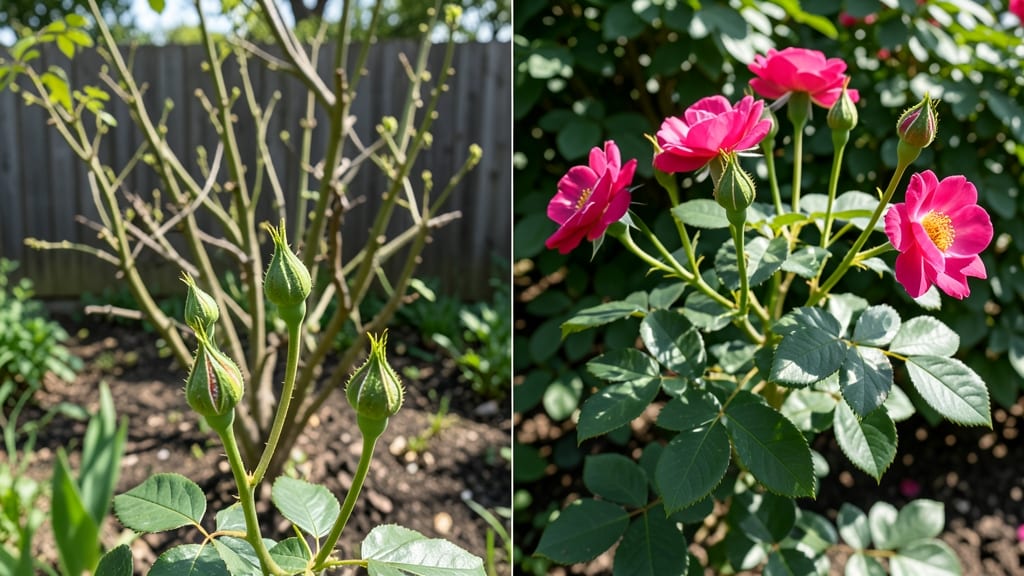
Why is my rose bush not flowering? It’s probably starving for sunlight—or getting pruned at the wrong time. 🌹 I’ve watched roses explode with blooms after just one adjustment, and the fixes are simpler than you’d think. Most gardeners overlook the basics: too much shade, pruning after the growing season, or feeding with the wrong fertilizer.
The biggest blooming killer? Pruning in late summer or fall. Roses need their energy directed toward next year’s buds, so prune in late winter or early spring when the plant is still dormant.
And if your bush looks healthy but refuses to bloom, check your fertilizer—too much nitrogen makes lush leaves but no flowers. Switch to a bloom-boosting formula with higher phosphorus.
You’ll see the first buds appear within 4-6 weeks after correcting the issue, and by midseason, your bush could be covered in blooms. The key is patience: roses take time to respond, but once they do, they reward you with weeks of vibrant color that turns heads in the neighborhood.
Works for hybrid teas, floribundas, and even shrub roses—just adjust the pruning style to match the variety. Let’s get those buds popping!
Hidden Culprits Stealing Your Blooms
If your rose bush is putting on lush green leaves but stubbornly refuses to bloom, the issue likely stems from one—or several—of these overlooked factors. Roses are finicky about their environment, and even small imbalances can signal them to focus energy on foliage instead of flowers.
Let’s dig into the science behind why your roses might be playing hard to bloom.
Roses bloom on new wood (current season’s growth) or old wood (last year’s stems), depending on the variety. If you prune too aggressively—or at the wrong time—you may be removing next year’s flower buds before they even form.
- New wood bloomers (e.g., hybrid teas, floribundas): Prune in late winter or early spring to encourage fresh growth. Cut back to just above a 5-leaf cluster to promote strong new shoots where buds will develop.
- Old wood bloomers (e.g., climbers, shrub roses): Prune right after flowering to avoid trimming off buds that form on last year’s stems. Heavy pruning in winter can leave them with no flowers for the season.
💡 Pro Tip: If your roses bloom once and then stop, they may be repeat bloomers that need a light trim after the first flush to encourage a second wave. Avoid "haircutting" them into a neat shape—target dead, crossing, or overcrowded branches instead.
Roses are thirsty but hate soggy roots. Overwatering or underwatering both stress the plant, diverting energy away from flowering. Here’s how to get it right:
| Issue | Why It Stops Blooms | Fix It Now |
|---|---|---|
| Underwatering | Drought stress forces the rose to conserve water, stunting growth and bud formation. Leaves may curl or wilt. | Water deeply 1-2 times per week (1-2 inches of water per session). Use drip irrigation to keep roots consistently moist. |
| Overwatering | Poor drainage leads to root rot, suffocating roots and preventing nutrient uptake. Yellow leaves or mushy stems are red flags. | Amend soil with compost or perlite to improve drainage. Water only when the top 2 inches of soil are dry. |
| Inconsistent Watering | Fluctuating moisture levels confuse the plant, causing buds to drop before opening. | Stick to a schedule (morning watering is best) and mulch with 2-3 inches of organic mulch to retain moisture. |
🌡️ Watch For: Roses need 1-1.5 inches of water weekly. If your soil is sandy, they may need more; if clay-heavy, less. Never let them sit in standing water.
Roses are heavy feeders, but the wrong nutrients—or too much of them—can derail flowering. The key is balance, especially between phosphorus (P) and potassium (K), which fuel blooms.
- Too little phosphorus (P): This nutrient is critical for root and flower development. A deficiency (purple stems or dark green leaves) means the rose prioritizes leaves over blooms.
- Too much nitrogen (N): Lush, leafy growth at the expense of flowers is a classic sign of over-fertilizing with lawn fertilizer (which is high in N).
- Micronutrient deficiencies: Lack of magnesium, iron, or zinc (yellowing between veins) can stunt flower production.
📊 Fertilizer Fix:
- Use a rose-specific fertilizer (look for a 5-10-5 or 10-10-10 NPK ratio with micronutrients).
- Apply every 4-6 weeks during growing season (spring to fall).
- For organic options, try fish emulsion, bone meal, or compost tea.
- Stop fertilizing in late summer to encourage hardening off before winter.
✨ Bonus: A balanced soil test (check pH—roses prefer 6.0-6.5) can reveal hidden deficiencies. Amend with lime (to raise pH) or sulfur (to lower it) if needed.
Roses are sun worshippers, but too little or intense afternoon heat can scorch buds before they open. Most roses need:
- 6-8 hours of direct sun daily (full sun).
- Morning sun + afternoon shade in hot climates (e.g., desert regions).
- Protection from strong winds, which can dry out buds.
🔥 Common Light Mistakes:
- Too little sun: Roses in shade produce long, leggy stems with few buds. Move to a sunnier spot or choose shade-tolerant varieties (e.g., 'The Fairy,' 'Zéphirine Drouhin').
- Too much harsh sun: Buds may brown and drop before opening. Provide afternoon shade with a sheer curtain or nearby trees.
- Reflective surfaces: Light-colored walls or pavement can overheat roses, causing bud blast. Plant near darker or textured surfaces to diffuse heat.
🌿 Location Pro Tip: If your roses are in a container, ensure the pot is large enough (at least 15-20 gallons) and placed where they get consistent light. Containers dry out faster, so water more frequently.
Even if buds form, they may not open or produce flowers if pollination fails. Roses are self-pollinating, but pests, weather, or lack of pollinators can interfere.
- Pesticide overuse: Chemicals like neonicotinoids (common in systemic pesticides) can kill bees and other pollinators.
- Cool or rainy weather: Bees are less active below 55°F (13°C), so buds may not open.
- No pollinators nearby: If your garden lacks flowers, bees may skip your roses entirely.
🐝 How to Help:
- Avoid
Quick Fixes to Revive Your Rose Bush
---
If your rose bush is throwing a bloomless tantrum, don’t despair—most issues are fixable with a little targeted care. Below, we’ll map the most common causes to actionable solutions, so you can get those buds blooming again.
Think of this as your rose bush’s emergency repair kit—just follow the steps for your specific problem!
---
If your rose bush is struggling because of root-bound stress or nutrient-poor soil, it’s time to give it some space and a fresh start.
#### 🔥 Step 1: Prune the Roots (If Needed) - Check for root-bound conditions: Gently loosen the soil around the base of the bush.
If you see roots circling tightly or growing outward in a dense mat, it’s time to prune. - How to prune: - Use clean, sharp shears or a knife. - Cut away any roots that are growing in circles or pressing against the pot (if potted) or the edges of the planting hole (if in-ground). - Trim no more than 20-30% of the roots to avoid shocking the plant.
#### 🍳 Step 2: Improve the Soil - Test your soil: If it’s compacted, clay-heavy, or lacking organic matter, amend it with: - Compost (2-3 inches mixed into the top 6-12 inches of soil). - Perlite or sand (to improve drainage if soil is too dense). - A slow-release fertilizer (like 10-10-10) to replenish nutrients. - For potted roses: Repot into a slightly larger container with fresh, well-draining potting mix.
#### 🌡️ Prevention Tips - 💡 Mulch properly: Add 2-3 inches of organic mulch (like wood chips or straw) around the base to retain moisture and improve soil structure. - 🎯 Water deeply but infrequently: Let the top 1-2 inches of soil dry out between waterings to encourage deeper root growth. - ✨ Fertilize seasonally: Feed roses in early spring (when new growth starts) and mid-summer (to support fall blooms).
---
Roses are sun-worshippers—if they’re not getting enough light, they’ll focus on leafy growth instead of flowers. Here’s how to fix it.
#### 🔥 Step 1: Assess Sunlight Needs - Ideal sunlight: 6-8 hours of direct sun per day (morning sun is best to avoid scorching). - Signs of too little light: Leggy stems, small leaves, and no buds. - Signs of too much heat: Wilting, sunburned leaves (yellow or brown patches).
#### 🍳 Step 2: Relocate or Prune for Better Light - Move potted roses: Place them in a sunnier spot (like near a south- or west-facing window or wall). - Prune nearby shade-makers: Trim back overgrown trees, shrubs, or structures casting shade. - Use reflective surfaces: Place a white wall or mirror behind the bush to bounce extra light onto it.
#### 🌡️ Prevention Tips - 💡 Choose the right spot: Plant roses where they’ll get morning sun + afternoon shade in hot climates. - 🎯 Water in the morning: This prevents evaporation and helps roses stay hydrated for photosynthesis. - ✨ Avoid sudden changes: If moving a potted rose, acclimate it gradually over 3-5 days to prevent shock.
---
Watering is a delicate dance—too much or too little can both kill your rose bush’s blooming dreams. Here’s how to get it right.
#### 🔥 Step 1: Check Soil Moisture - Stick your finger in the soil: If the top 1-2 inches are dry, it’s time to water. If it’s soggy, hold off. - For potted roses: Lift the pot—if it feels light, water it.
#### 🍳 Step 2: Adjust Your Watering Routine - Underwatering fix: - Water deeply (1-2 inches per week, more in extreme heat). - Use drip irrigation or soaker hoses to deliver water slowly to the roots. - Overwatering fix: - Let the soil dry out between waterings. - Improve drainage by adding perlite or sand to heavy soil. - Ensure pots have drainage holes and elevate them slightly.
#### 🌡️ Prevention Tips - 💡 Water at the base: Avoid wetting leaves to prevent fungal diseases like black spot. - 🎯 Mulch to retain moisture: A 2-3 inch layer of mulch keeps soil consistently moist without waterlogging. - ✨ Adjust for seasons: Water less in fall/winter (when growth slows) and more in summer.
---
If your rose bush is battling diseases like black spot or pests like aphids, it’ll divert energy away from blooming. Here’s how to tackle them.
#### 🔥 Step 1: Identify the Problem - Common fungal diseases: - Black spot: Dark spots with yellow halos on leaves. - Powdery mildew: White, powdery coating on leaves. - Common pests: - Aphids: Tiny green/black bugs clustering on new growth. - Japanese beetles: Skeletons of chewed leaves.
#### 🍳 Step 2: Treat with Natural or Chemical Solutions | Problem | Fix | |----------------------|-------------------------------------------------------------------------| | Black spot | Spray with neem oil or baking soda solution (1 tsp baking soda + 1 quart water + a drop of dish soap).
Repeat every 7-10 days. | | Powdery mildew | Apply sulfur spray or hydrogen peroxide (1 tbsp per quart of water). Prune infected leaves. | | Aphids | Blast off with water spray or use insecticidal soap.
Introduce ladybugs (natural predators). | | Japanese beetles | Handpick and drop into soapy water. Use milky spore for long-term control. |
#### 🌡️ Prevention Tips - 💡 Prune for airflow: Remove crowded or diseased branches to improve circulation. - 🎯 Water early: Wet leaves in the morning so they dry quickly. - ✨ Clean up debris: Rake and dispose of fallen leaves to reduce fungal spores.
---
Roses are tough, but extreme temperatures can shock them into skipping blooms. Here’s how to shield them.
#### 🔥 Step 1: Shield from Heat - Provide afternoon shade: Use shade cloth (30-50%) or a lightweight row cover during peak heat. - Mulch heavily: A 4-inch layer of mulch keeps roots cool. - Water deeply: Morning watering reduces heat stress.
#### 🍳 Step 2: Insulate from Cold - For potted roses: Move them to a sheltered spot or wrap the pot in bubble wrap. - For in-ground roses: Pile straw or leaves around the base for insulation. - Use frost cloth: Cover roses when temps drop below 25°F (-4°C).
#### 🌡️ Prevention Tips - 💡 Choose heat-tolerant varieties: Look for Knock Out roses or David Austin roses (they handle heat better). - 🎯 Avoid late-season fertilizing: Stop feeding 6 weeks before first frost to harden off the plant. - ✨ Monitor weather: Sign up for local frost alerts to protect roses in advance.
---
With these fixes, your rose bush should bounce back and start producing those show-stopping blooms in no time. Patience is key—some roses take 4-6 weeks to recover after stress, but the results will be worth it! 🌹✨
Frequently asked questions
1My rose bush has lots of leaves but no flowers—what's the most common cause?
Over-fertilizing with too much nitrogen is the #1 culprit! When roses get too much nitrogen, they focus on leafy growth instead of blooms. Switch to a rose-specific fertilizer (5-10-5 or 10-10-10 NPK ratio) and apply it every 4-6 weeks during growing season. Stop fertilizing in late summer to encourage flowering.
2Can pruning at the wrong time stop roses from flowering?
Pruning in late summer or fall removes next year's flower buds before they form. For new wood bloomers (like hybrid teas), prune in late winter/early spring. For old wood bloomers (like climbers), prune right after flowering. Always cut just above a 5-leaf cluster to encourage new growth.
3How do I know if my rose bush isn't getting enough sunlight?
Look for long, leggy stems and small leaves—these are classic signs of insufficient light. Roses need 6-8 hours of direct sun daily. If your bush is in shade, try moving it to a sunnier spot or prune nearby trees/shrubs. For containers, place them near a south- or west-facing wall.
4What should I do if my rose bush has buds but they won't open?
Check for pollination issues—cool weather (below 55°F/13°C) or pesticide use can prevent buds from opening. Try gently shaking the bush to help pollination, or attract bees by planting companion flowers nearby. Avoid systemic pesticides, which can harm pollinators. Also ensure consistent watering—drought stress causes buds to drop.
5Is my rose bush too old to flower?
Not necessarily! Most roses bloom for 10-15 years with proper care. If your bush is older but healthy, try rejuvenation pruning—cut back 1/3 of the oldest canes to the ground in late winter. This encourages new growth where flowers will form. For very old bushes, consider layering or propagating new plants from cuttings.