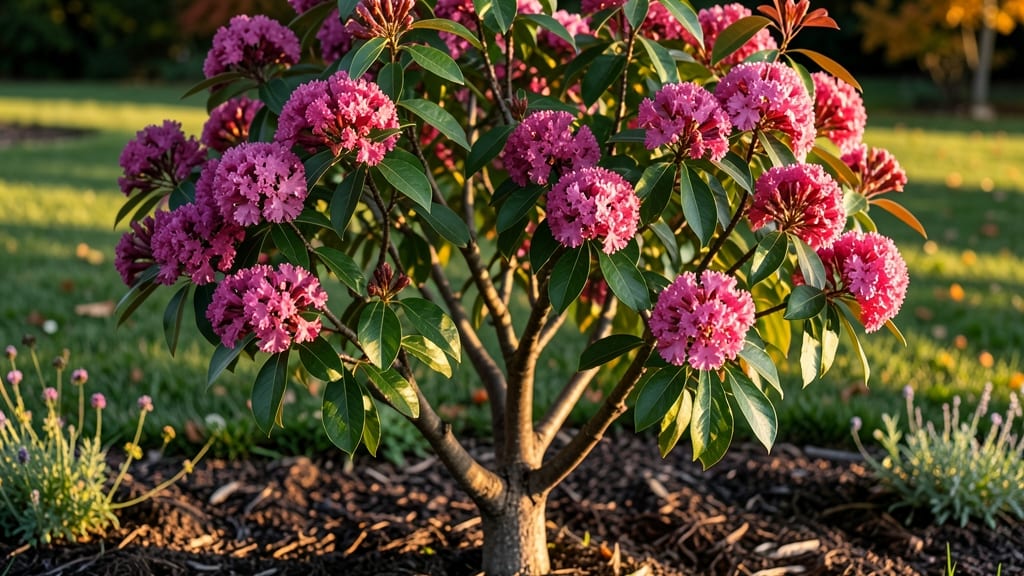
The crepe myrtle bush size can vary dramatically—from as short as 6 feet to towering heights of 30 feet—depending entirely on the variety you choose. Picking the right one for your space is the key to happy landscaping.
If you're dreaming of vibrant blooms but worried about crepe myrtles outgrowing your yard, understanding their mature size is essential for smart landscaping decisions. Some varieties stay compact enough for small gardens, while others become small trees that need room to spread.
Below, I break down the exact height ranges for 10+ popular varieties, including dwarf options that stay under 6 feet and standard types that reach 20+ feet.
You’ll also learn how planting placement and pruning can control growth—critical tips for keeping your crepe myrtle 🌸 in check without sacrificing those showstopping summer flowers.
Ready to choose the perfect size for your garden? Let’s dive into the numbers, spacing rules, and pruning secrets that will keep your crepe myrtle thriving—no matter how big (or small) you want it to be.
Crepe Myrtle Height Range
3 ftto30 ft
0 ft
3 ft
6 ft
9 ft
12 ft
🌱
Medium to Tall Shrub/Tree
Crepe myrtle mature height by popular variety: what to expect
Choosing the right crepe myrtle variety depends on your space and vision. These stunning shrubs/trees range from compact dwarf varieties to towering standard trees, each with distinct mature heights. Understanding these dimensions helps you plan spacing, pruning, and placement for optimal growth and aesthetic impact in your landscape.
From 3-foot dwarf crepe myrtles perfect for containers to 30-foot giants that become focal points, the right variety ensures your garden thrives without overpowering your space. Let's explore the mature height ranges and growth habits of the most popular types so you can make an informed choice.
Pro Tip: Always check your nursery's specific variety details, as mature sizes can vary slightly based on growing conditions like sunlight, soil quality, and local climate.
| Variety |
Mature Height (ft) |
Spread (ft) |
Growth Rate |
Best For |
| Tonto |
3-6 ft |
3-5 ft |
Slow |
Containers, small yards |
| Natchez |
12-15 ft |
10-12 ft |
Moderate |
Medium landscapes |
| Catawba |
15-20 ft |
12-15 ft |
Moderate |
Privacy screens |
| Arapaho |
15-20 ft |
10-12 ft |
Moderate |
Large gardens |
| Muskogee |
15-20 ft |
12-15 ft |
Moderate |
Street trees |
| Pink Velour |
10-12 ft |
8-10 ft |
Slow |
Small yards, containers |
| Tuscarora |
20-25 ft |
15-18 ft |
Fast |
Large properties |
| Pocomoke |
20-25 ft |
12-15 ft |
Moderate |
Specimen trees |
| Yankee Doodle |
6-10 ft |
6-8 ft |
Slow |
Urban gardens |
| Caddo |
25-30 ft |
15-20 ft |
Fast |
Large landscapes |
| Zuni |
4-6 ft |
4
How to control crepe myrtle size: pruning and planting tips
Crepe myrtles are stunning landscape plants, but their rapid growth can quickly overwhelm small yards. The key to keeping them manageable lies in strategic pruning and thoughtful planting placement.
By understanding their growth habits and applying a few simple techniques, you can enjoy their vibrant blooms without sacrificing yard space.
First, let's address the biggest misconception about crepe myrtles: they don't need "topping" like some believe. This outdated practice actually harms the plant. Instead, we'll focus on proper pruning methods that encourage healthy growth while maintaining your desired size.
The right approach can transform a potential space invader into a perfectly proportioned centerpiece.
1
Choose the right variety for your space. Dwarf varieties like 'Arapaho' stay under 6 feet, while standard types like 'Natchez' can reach 20-30 feet. Always check the mature height before planting.
2
Plant in the correct location with 6+ hours of sun and room to grow. For small yards, plant near fences or property lines. Use containers for dwarf varieties to control root spread completely.
3
Prune in late winter or early spring before new growth begins. Remove dead or crossing branches first, then shape by cutting back to the bud union (swollen area where branches meet the trunk).
4
Never top your crepe myrtle. This creates ugly, weak growth and invites disease. Instead, make clean cuts just above outward-facing buds to encourage fuller growth patterns.
5
Fertilize lightly in early spring with balanced 10-10-10 fertilizer. Over-fertilizing causes excessive growth that's harder to manage. Water deeply after fertilizing to help nutrients reach roots.
For container growing, select dwarf varieties and use pots at least 18 inches wide and deep. Place containers in full sun locations and water when the top inch of soil feels dry. Remember that root-bound plants grow more slowly, so repot every 2-3 years if needed.
If you already have an overgrown crepe myrtle, don't panic. You can gradually reduce its size by pruning back 1/3 of the plant each year. This approach prevents shock while still achieving your size goals. Always use sterilized pruners and make cuts at a 45-degree angle just above buds.
With these simple strategies, you can enjoy beautiful crepe myrtle blooms without sacrificing your yard's layout. The key is proactive care—choosing the right variety, planting thoughtfully, and pruning correctly will keep your crepe myrtle looking its best for years to come. 🌸✂️🌿
★★★★★5.0(1 review)
|