
Pruning
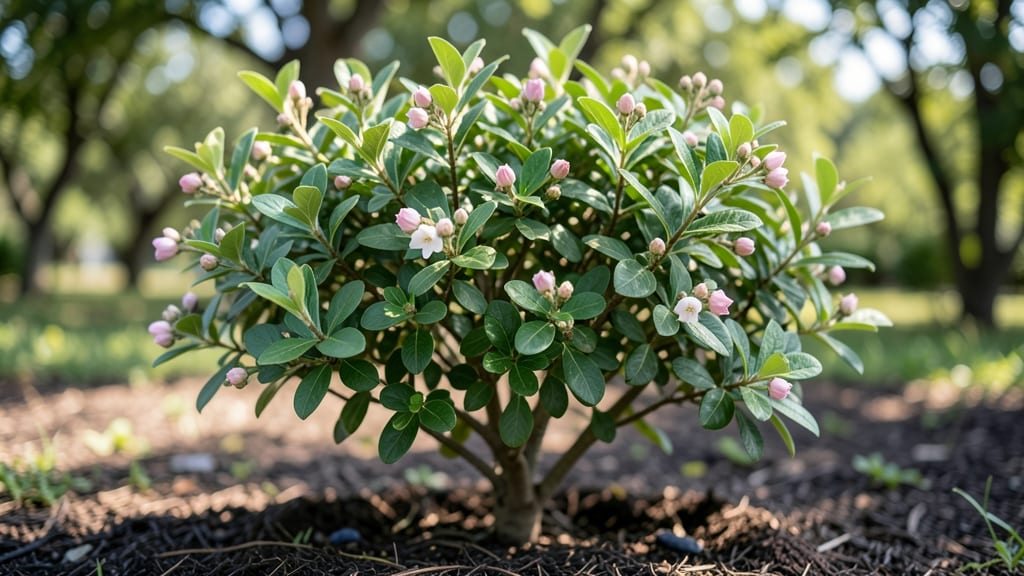
Budding a blueberry bush 🫐 is the game-changer for bigger harvests, but timing and technique make all the difference.
Picture this: You’ve pruned your blueberry bush every year, yet the berries never seem to grow beyond a handful. The issue might not be the soil or the sun—it could be how (or when) you’re making those cuts.
Budding at the wrong time or with the wrong approach can leave your plant stressed, stunted, or worse, dead.
In Zone 6, the best window to bud your blueberry bush is late winter to early spring, when the plant is dormant but ready to wake up.
This guide walks you through the three critical cuts that stimulate new growth, double your fruit yield, and keep your shrub healthy for years to come.
You’ll learn which tools to use, how to avoid common mistakes, and what to watch for in the weeks after budding—so you can go from a few scattered berries to buckets of ripe blueberries by summer.
When and how to perform blueberry bush budding for maximum fruit
If your blueberry bushes are struggling to produce abundant fruit, budding might be the game-changer you need. This horticultural technique stimulates new growth by redirecting energy to fruit-bearing branches, potentially doubling your harvest in just one season.
Unlike cuttings or layering, budding preserves the parent plant's genetics while encouraging vigorous regrowth.
The key to success lies in timing and precision. Budding blueberries works best during dormant season (late winter to early spring), when the plant is inactive but ready to awaken.
This timing ensures the cuts heal properly before the growing season kicks in. Active growth periods can stress the plant, reducing survival rates. Let’s dive into the tools and steps you’ll need to master this technique.
Step-by-Step Blueberry Bush Budding Guide
- 1 Choose the Right Time: Perform budding in late winter (February-March) when temperatures are above freezing but before buds swell. This ensures the plant is dormant but ready to respond to cuts.
- 2 Gather Your Tools: You’ll need sharp pruning shears, rubbing alcohol (70% or higher), pruning wax, and a clean cloth. Sterilize your tools with alcohol to prevent disease transmission.
- 3 Identify the Budding Zone: Select a healthy, mature branch with dormant buds (small swellings along the stem). Avoid branches with disease or damage, as these can compromise the budding process.
- 4 Make the Cut: Use your sterilized shears to make a clean, slanted cut just above a dormant bud. The cut should be 1/4-inch above the bud and angled to allow water runoff. This encourages faster healing.
- 5 Apply Pruning Wax: Dip the cut end into pruning wax to seal the wound and prevent moisture loss. This step is critical for disease prevention and rapid healing during the dormant season.
- 6 Monitor and Maintain: After budding, keep an eye on the plant for new growth signs in 4-6 weeks. Water deeply but avoid overwatering, as soggy soil can rot the cuts. Mulch around the base to retain moisture and regulate soil temperature.
The science behind budding is fascinating: by making strategic cuts, you stimulate the plant’s natural hormones to redirect energy toward fruit production rather than excessive foliage. This technique works particularly well for older blueberry bushes that have become overgrown or unproductive.
The cuts signal the plant to prioritize new growth, which often translates to larger berries and higher yields.
One common misconception is that budding is the same as pruning for maintenance. While both involve cutting branches, budding is a targeted propagation method designed to encourage specific growth patterns.
Pruning removes dead or crowded branches, whereas budding actively stimulates new shoots from dormant buds. For best results, combine budding with regular pruning to maintain the bush’s shape and health.
If you’re new to budding, start with one or two branches on a healthy plant to test the technique.
This minimizes risk and helps you gauge the plant’s response before committing to full-scale budding. Southern-facing branches often respond best because they receive more sunlight, which is crucial for post-budding recovery.
Avoid budding during extreme weather, such as heatwaves or frost, as these conditions can stress the plant and reduce success rates.
Post-budding care is just as important as the technique itself. After the cuts heal, focus on soil health by adding organic matter like compost or peat moss to maintain acidic soil conditions (pH 4.5-5.5).
Blueberries thrive in well-draining, slightly acidic soil, so a soil test can help you adjust pH levels if needed. Additionally, light fertilization in early spring with a balanced acid-loving plant fertilizer (e.g., cottonseed meal) will support new growth.
Patience is key when budding blueberries. It can take 1-2 growing seasons to see significant improvements in fruit production, but the long-term benefits—like larger berries and stronger plants—are well worth the effort.
Keep a gardening journal to track your progress, noting which branches respond best and any adjustments you make to the technique. Over time, you’ll refine your approach
3 Critical cuts every blueberry grower should master (with visual guide)
If you want your blueberry bushes to thrive and produce bigger harvests, mastering these three essential cuts is non-negotiable. Each cut serves a unique purpose—whether it's rejuvenating old wood, guiding new growth, or removing unwanted suckers.
The right cuts at the right time can transform a struggling bush into a fruit-bearing powerhouse in just one season.
Blueberry bushes need strategic pruning to balance air circulation, sunlight exposure, and energy distribution. Without proper cuts, your bush may become overcrowded, leading to smaller berries or even disease susceptibility.
These three cuts—rejuvenation cuts, heading cuts, and renewal cuts—are the foundation of a healthy, productive blueberry bush.
| Cut Type | Where to Cut | Purpose | Best Time |
|---|---|---|---|
| Rejuvenation Cuts | Old, non-producing wood (3+ years) | Remove exhausted branches to redirect energy to new growth | Late winter/early spring |
| Heading Cuts | Top of new growth (just above leaf bud) | Encourage bushier growth and more fruit clusters | Spring or summer |
| Renewal Cuts | Suckers (shoots from base) and weak branches | Remove energy thieves to focus on fruit production | Late winter/early spring |
A rejuvenation cut is your first line of defense against woody, unproductive branches. These are the 3+ year-old stems that no longer bear fruit efficiently.
By cutting them back to the ground, you’re essentially giving your bush a fresh start, allowing it to redirect its energy toward new, vigorous growth that will produce more berries next season.
Next, heading cuts are all about shaping your bush for optimal fruit production. When you cut back the tips of new growth just above a leaf bud, you stimulate the plant to branch out.
This creates a denser canopy, which means more sunlight reaches the inner branches—leading to more berries. Think of it as teaching your bush to grow wider rather than taller.
Finally, renewal cuts target those pesky suckers and weak branches that drain your bush’s energy. Suckers are the shoots growing from the base or roots, and while they might look harmless, they compete with your main plant for nutrients.
Removing them ensures your bush focuses its resources on fruit-bearing branches rather than unnecessary growth.
Master these three cuts, and you’ll see a noticeable difference in your blueberry harvest within a year. The key is timing—always prune during the dormant season (late winter/early spring) unless you’re doing heading cuts in summer.
And remember, a sharp pair of pruning shears and a clear plan will make all the difference!