
How To
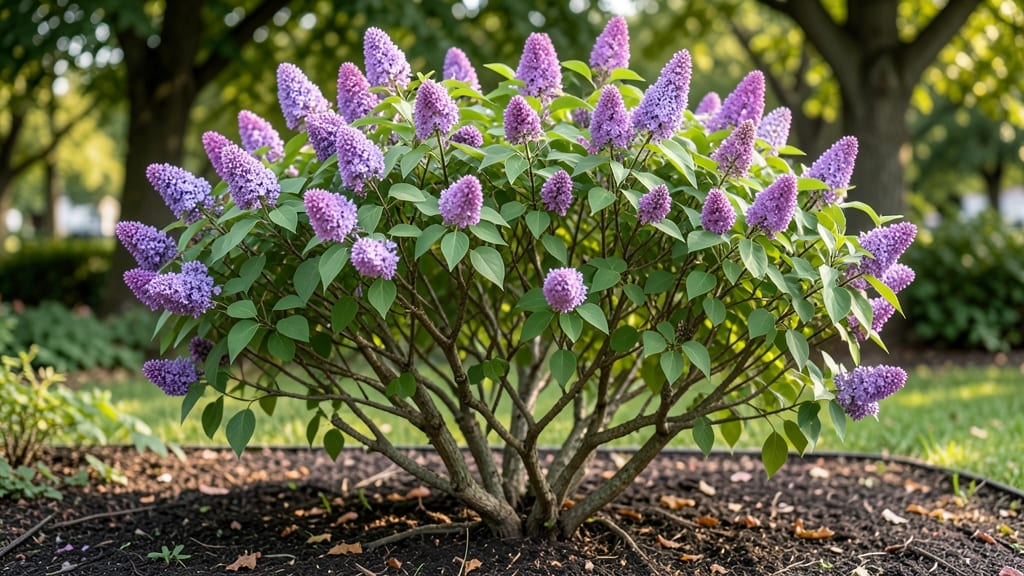
Growing a lilac bush to full bloom takes 3 years of steady care, but the wait is worth the fragrant, purple reward.
If you’ve ever dreamed of a fragrant, purple-blanketed garden but wondered how long you’ll have to wait for your lilac bush to reach its full, show-stopping glory, this timeline will give you the exact answers—and the patience—you need.
The first year is all about roots and baby leaves—your lilac will grow just 1-2 feet tall but needs full sun and well-drained soil to set the stage for bigger things. By year two, it doubles in size, reaching 3-5 feet, and starts flexing its branches.
Here’s the best part: by year three, your lilac will hit 6-8 feet and finally burst into its first full bloom, filling your garden with that iconic spring fragrance. I’ll break down the care steps that keep it on track—and how to troubleshoot if it lags behind.

Lilac bush growth timeline: year-by-year development stages
Growing a lilac bush from a small sapling to a fragrant, flowering powerhouse takes time—but understanding each stage helps you set realistic expectations. These hardy shrubs grow steadily, with their most dramatic changes happening in the first three years.
Whether you're planting a dwarf variety or a standard-sized bush, knowing what to expect each year keeps your patience (and pruners) ready.
Lilacs thrive in USDA Zones 3-7, but their growth rate depends on your climate, soil quality, and care routine. In ideal conditions, you can expect a 1-2 foot bush in its first year, followed by rapid vertical growth in years two and three.
By year four, most lilacs reach their mature height of 6-15 feet, though some dwarf varieties cap at 3-5 feet.
Here’s a detailed breakdown of what to expect each year, including height milestones, foliage development, and when those dreamy purple blooms will finally appear:
In Year 1, your lilac bush will focus on establishing roots rather than shooting upward. You’ll see 1-3 feet of growth, but the foliage will be sparse.
This is the year to prioritize watering deeply (about 1-2 gallons per week) and adding a 2-3 inch layer of mulch to protect young roots. Avoid pruning—let the plant build its foundation.
By Year 2, your lilac will double in height, reaching 3-5 feet. You’ll notice branches lengthening and foliage thickening. This is when you might spot 1-2 small flower clusters, but don’t expect a full bloom show.
Prune any dead or crossing branches in late winter to encourage a stronger structure. A light spring feeding with a 10-10-10 fertilizer will support this growth spurt.
The magic happens in Year 3, when your lilac bush finally delivers its first full, fragrant blooms. Expect heights of 5-8 feet and a lush canopy. The blooms may arrive a little later than mature bushes, but they’ll be a welcoming surprise after years of patience.
This is also the year to start renewal pruning: cut back about 1/3 of the oldest stems to the ground to rejuvenate the plant and encourage new growth.
Once your lilac reaches mature size in Year 4+, it will produce its most spectacular displays. Standard varieties can tower 10-15 feet tall, while dwarf types stay between 3-5 feet.
Blooms will be more abundant and fragrant, and the foliage will create a stunning backdrop for your garden. Continue annual pruning after flowering to maintain shape and remove dead wood. Mulch every spring to retain moisture and regulate soil temperature.
Pro tip: If your lilac isn’t hitting these milestones, check your sunlight exposure. Lilacs need 6+ hours of full sun daily—less light slows growth and reduces blooms.
Also, ensure your soil is well-draining; soggy roots can stunt development. With the right care, your lilac will reward you with decades of colorful, fragrant blooms every spring.
🌸
Factors that speed up or slow down lilac bush growth
Your lilac bush's growth speed depends on several environmental and care-related factors. While lilacs are hardy plants, giving them the right conditions can make the difference between a 3-year wait for blooms and a 2-year showstopper. Let’s break down the key elements that either accelerate or hinder growth.
First, soil quality plays a massive role. Lilacs thrive in well-draining, slightly alkaline soil with a pH between 6.5 and 7.5. Compacted or clay-heavy soil can stunt root development, slowing growth by up to 30%.
Amending your soil with compost or sand before planting creates the ideal foundation for rapid growth.
Next, sunlight exposure is non-negotiable. Lilacs demand 6+ hours of full sun daily—any less, and you’ll see weaker stems, fewer leaves, and delayed blooming. In shady spots, growth can slow by 50% or more.
If your garden lacks full sun, consider container growing near a south-facing wall to maximize light.
Growth Speed Factors for Lilac Bushes
✅ Speeds Up Growth
- Full sun (6+ hrs): Boosts growth by 40%
- Well-draining soil: Prevents root rot, supports faster root spread
- Regular pruning: Encourages bushier growth and earlier blooms
- Balanced fertilizer: 10-10-10 in early spring fuels growth
- Proper spacing: 6-10 ft apart reduces competition for nutrients
❌ Slows Down Growth
- Partial shade: Delays blooming by 1-2 years
- Poor drainage: Causes root rot, stunts growth by 50%
- Over-pruning: Removes too many stems, weakens structure
- Over-fertilizing: Burns roots, reduces flowering potential
- Crowded planting: Competes for water/nutrients, slows maturity
Tip: Test your soil’s pH and amend with lime if needed—alkaline soil is key for lilac health!
Don’t overlook watering habits. While lilacs are drought-tolerant once established, deep watering once weekly (1-1.5 inches) during the first year encourages strong root development. Shallow watering leads to weak roots and slower growth. Mulching around the base retains moisture and regulates soil temperature, further supporting healthy development.
Your pruning techniques also impact growth speed. Pruning lilacs immediately after flowering removes dead wood and encourages new growth for the next season. However, avoid heavy pruning in the first year—focus on shaping lightly to avoid stressing young plants. Proper pruning can advance blooming by 6-12 months.
Finally, climate zones play a role. Lilacs thrive in USDA Zones 3-7, but those in cooler zones (like Zone 3) may grow slower initially due to shorter growing seasons.
In warmer zones (Zone 7), lilacs can grow more aggressively but may need afternoon shade to prevent leaf scorch. Adjust care based on your local climate for optimal results.
By optimizing these factors, you can transform your lilac bush from a 3-year project to a 2-year fragrant masterpiece. Start with soil prep, ensure full sun, and water deeply—your garden will thank you with vibrant blooms sooner than you think! 🌸