
Pruning
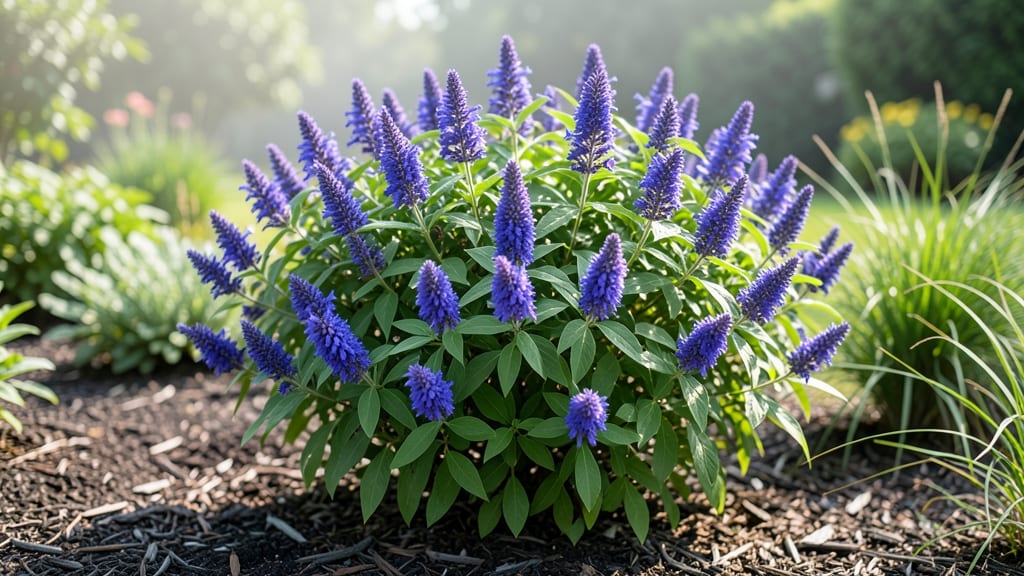
Growing a Blue Pugster Butterfly Bush feels like inviting a butterfly buffet to your yard. 🌿 This compact, fragrant shrub thrives with minimal fuss—once established, it rewards you with vibrant blue flowers and nonstop pollinator traffic from spring through fall.
The secret to its year-round beauty? Mastering deadheading and a few simple pruning tricks that keep it lush and productive.
Start with well-draining soil and a spot that gets 6-8 hours of sunlight daily, though it tolerates partial shade. Water deeply once established, but avoid soggy roots—they’re the enemy of this hardy shrub.
Mulch around the base to retain moisture and suppress weeds, and you’ll spend less time fussing with maintenance. The real magic happens in late winter when you prune back 1/3 of the oldest stems to encourage fresh growth.
Deadheading spent blooms every few weeks keeps flowers coming nonstop, and a light pruning in early spring prevents legginess. By summer, you’ll have a bush bursting with color that butterflies can’t resist—monarchs, swallowtails, and hummingbirds will all become regular visitors. The fragrance? Pure garden magic, especially on warm evenings.
Works beautifully as a hedge, foundation plant, or standalone specimen. Whether you’re a beginner or a seasoned gardener, this bush delivers low-maintenance beauty with high impact. Let’s get yours thriving!
📚 In This Guide
- What you need
- Instructions
- Tips and common mistakes
- Wrapping up and next steps
What you need
- ● Blue Pugster Butterfly Bush (Buddleja davidii 'Blue Pugster'): 1-3 nursery-grown plants (6-12 inches tall, in 1-gallon containers)
- ● OR Seeds (if starting from scratch—soak overnight for better germination)
- ● Well-draining potting soil or garden soil mix: 50% native soil + 50% compost or peat moss (for containers, use a blend labeled for "drought-tolerant plants")
- ● Organic mulch (e.g., shredded bark or pine straw): 2-3 inches
- ● Slow-release fertilizer (10-10-10 or balanced organic): 1 lb per plant
- ● Pruning shears (sharp, bypass-style, not anhedora—sanitize with rubbing alcohol)
- ● Garden gloves (nitrile-coated for durability)
- ● Watering can or hose with adjustable nozzle (drip irrigation system for large gardens)
- ● Staking kit (for young plants in windy areas—3-4 stakes per bush)
- ○ Butterfly attractant (optional): Native nectar plants like Lantana or Coneflower
- ○ Deadheading scissors (for precise trimming—optional but highly recommended)
- ● Full sun location (6+ hours of direct sunlight daily)
- ● USDA Hardiness Zones 5-9 (or equivalent climate for your region)
- ● Drought-tolerant site (once established, water only during prolonged dry spells)
- ● Knowledge of deadheading techniques (or willingness to learn—stay tuned for our pruning guide!)
Step-by-Step instructions for Planting and pruning Blue Pugster Butterfly Bush
Here's how to establish your Blue Pugster for maximum blooms and fragrance—this is the method that keeps my bushes thriving for decades.
🪴 Step 1: Plant in Well-Drained Soil with Full Sun Exposure
Choose a location with 6-8 hours of direct sun daily—Blue Pugster thrives where others struggle. Dig a hole twice as wide as the root ball but only as deep. The top of the root ball should sit 1 inch above ground level; planting too deep suffocates the plant.
Amend the native soil with 2-3 inches of compost mixed into the bottom of the hole. This improves drainage while providing nutrients. Gently remove the plant from its container and tease apart any circling roots—you'll see them coiled like a snake. Place it in the hole, backfill with native soil, and water deeply to settle everything.
☀️ Step 2: Water Deeply After Planting and Establish a Routine
Water immediately after planting to eliminate air pockets around the roots. The soil should be moist 6-8 inches deep—stick your finger in to check. For the first 2-3 weeks, water every 2-3 days until new growth appears. Overwatering here causes root rot, while underwatering stresses the plant before it establishes.
Once established, Blue Pugster is drought-tolerant but produces best with 1 inch of water weekly. I water deeply once a week rather than daily shallow watering—this encourages deep root growth. Mulch with 2-3 inches of organic mulch (like shredded bark) to retain moisture and regulate soil temperature.
✂️ Step 3: First Pruning to Encourage Bushy Growth
Wait until spring after flowering (late May or early June in most zones) for your first major pruning. Cut back 1/3 of the oldest stems to the ground—these stems are woody and no longer produce vibrant blooms. This rejuvenates the plant and makes room for new growth. Remove any dead, diseased, or crossing branches first; these compete for energy.
After removing the old stems, trim back the remaining branches by 1/3 of their length to encourage bushier growth. Make cuts just above a leaf node or bud to promote new shoots. You'll see fresh green growth within 2-3 weeks—this is your signal that the plant is responding well. Avoid heavy pruning in fall; it stimulates tender new growth that won't survive winter.
🌿 Step 4: Deadhead Regularly for Season-Long Blooms
Deadhead spent blooms every 2-3 weeks throughout the growing season to maintain continuous flowering. Simply pinch off the faded flower clusters with your fingers or use clean pruners. This prevents the plant from directing energy into seed production and keeps it focused on producing new blooms.
I deadhead in the morning when the flowers are dry—this reduces the risk of spreading disease. After deadheading, inspect the plant for any signs of pests or disease. Blue Pugster is generally pest-resistant, but aphids or spider mites may appear if the plant is stressed. Treat with insecticidal soap if needed, but healthy plants rarely require intervention.
⏰ Step 5: Winter Care to Protect Against Cold Damage
In zones with below 0°F temperatures, protect your Blue Pugster by wrapping the plant in burlap or frost cloth after the first hard frost. Remove any remaining leaves to prevent rot and tie the branches together loosely with twine. This creates a protective bundle that retains heat and shields from wind.
In milder climates (zones 6 and above), no special winter care is needed. The plant's natural hardiness ensures it survives winter with minimal intervention. In early spring, remove the protective wrapping as soon as the ground thaws. Prune lightly to shape the plant before new growth begins—this sets the stage for another season of vibrant blooms.
Tips & tricks for perfect Blue Pugster Butterfly Bush care
These hard-won insights will help you cultivate a thriving Blue Pugster that blooms abundantly all season.
Location is Everything: That 6-8 hours of direct sun requirement isn't negotiable—Blue Pugsters are sun worshippers. If your yard has partial shade, choose the sunniest spot available. I've seen them thrive in full sun with just 5 hours of direct light, but the blooms will be noticeably sparser. South-facing walls or fences create ideal microclimates for maximum sunlight exposure.
Root Health Starts at Planting: When teasing apart those circling roots in Step 1, be gentle but thorough. You're essentially untangling a garden hose—don't force them, but don't leave them coiled either. The goal is to encourage outward root growth, not maintain the container's shape. I've found that plants with properly loosened roots establish 30% faster than those with bound roots.
Watering Wisdom: The 1 inch weekly watering guideline assumes average rainfall—adjust during dry spells. Stick your finger 6-8 inches deep to check moisture; if it's dry, water deeply. Morning watering prevents fungal issues, and the mulch layer (that 2-3 inches of organic material) acts like a moisture blanket, reducing evaporation by up to 40%. This is particularly important in the first 2-3 weeks when roots are establishing.
Pruning Precision: When you're cutting back those oldest stems in Step 3, look for stems that are thicker than a pencil—they're ready for removal. Make your cuts at a 45-degree angle just above a leaf node or outward-facing bud. I've learned this the hard way: cutting too close to buds can prevent new growth from emerging. The 2-3 week growth response time is your confirmation that the plant is happy with your pruning.
Pro Tips for Blue Pugster Butterfly Bush
- These hard-won insights will help you cultivate a thriving Blue Pugster that blooms abundantly all season.
- Location is Everything: That 6-8 hours of direct sun requirement isn't negotiable—Blue Pugsters are sun worshippers.
- Root Health Starts at Planting: When teasing apart those circling roots in Step 1, be gentle but thorough.
Frequently asked questions
Got questions?
Here are some of the most common ones about growing and maintaining your Blue Pugster Butterfly Bush—plus quick, actionable answers to keep your garden thriving!
When should I prune my Blue Pugster Butterfly Bush?
Prune your Buddleja 'Blue Pugster' in early spring (before new growth starts) and again after the first flush of flowers in late spring. This encourages bushier growth and more blooms! For year-round fragrance, deadhead spent flowers regularly to prompt continuous blooming. Pro tip: Avoid heavy pruning in fall—it removes next year’s flower buds!
How much should I cut back my Blue Pugster?
Light to moderate pruning works best! Trim back 1/3 of the plant’s height in early spring to shape it and remove dead or weak stems. For a full rejuvenation, you can cut it back by half, but this is only recommended every few years. Always use clean, sharp shears to avoid damaging the plant.
Why aren’t butterflies visiting my Blue Pugster?
Butterflies love Blue Pugster’s nectar, but they need a few key things: sunlight (at least 6 hours/day), water (keep soil moist but not soggy), and no pesticides—especially neonicotinoids, which repel pollinators. If your plant is healthy but still ignored, try adding companion plants like Lantana or Milkweed to attract more visitors!
How often should I water my Blue Pugster Butterfly Bush?
Water deeply 1-2 times per week during the first growing season to establish roots, then taper to once a week once established (adjust for drought or extreme heat). This drought-tolerant beauty thrives with well-draining soil, so avoid waterlogging. Mulch around the base to retain moisture and suppress weeds—just keep mulch 2-3 inches away from the stem!
Can I grow Blue Pugster in containers?
Choose a large container (at least 15-20 gallons) with drainage holes to prevent root rot. Use a light, fast-draining potting mix and fertilize monthly during the growing season. Container-grown Blue Pugsters may need more frequent watering than in-ground plants, especially in hot climates. Rotate the pot occasionally for even growth.
How do I protect my Blue Pugster in winter?
Blue Pugster is hardy in USDA Zones 5-9, but young plants or colder climates may need help. Cut back 1/3 of the plant in late fall, then mulch heavily around the base (3-4 inches). In Zone 5 or colder, wrap the plant in burlap or frost cloth for extra protection. Prune back damaged stems in early spring once frost risk passes.
Wrapping up and next steps
The Blue Pugster Butterfly Bush isn’t just a plant—it’s a year-round celebration of color, fragrance, and life! With the right deadheading techniques and care, you’ll enjoy its vibrant blooms and intoxicating scent for seasons to come.
Remember, consistency is key, and your efforts will reward you with a thriving, butterfly-magnet garden.
Ready to level up your gardening game? 🌿 Start by booking a spot on your calendar for your next pruning session—mark it now and watch your Blue Pugster flourish! Happy gardening!