
Blooming
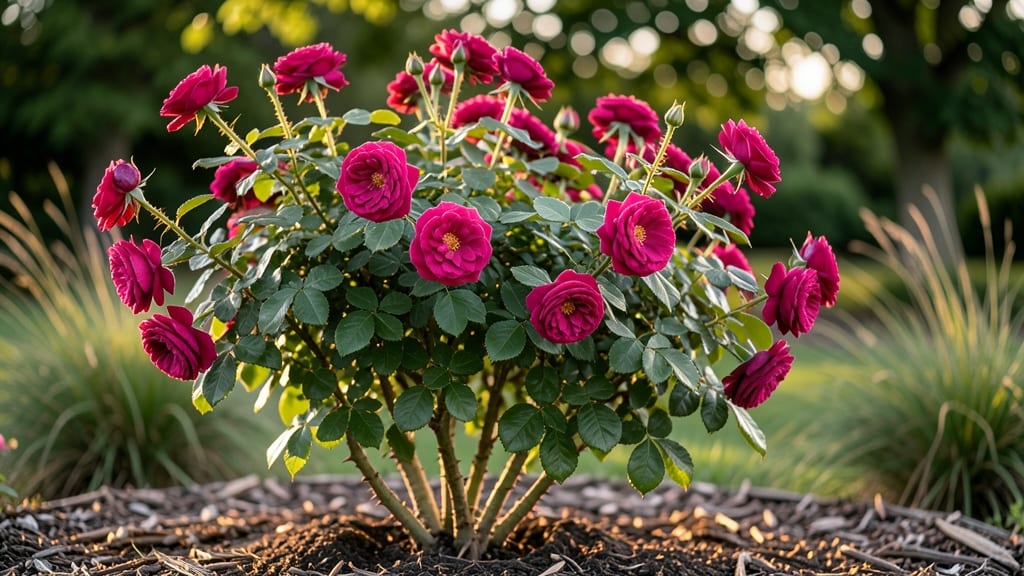
Your rose bush can burst into year-round fragrance with the right pruning science—no more sparse blooms or leggy stems. 🌹 I spent years watching my roses struggle until I learned the exact timing and cuts that trigger nonstop flowers.
The secret isn’t complicated: it’s about when you prune, how you shape the plant, and what you feed it during each season.
Start with sharp pruners and a clear goal: remove dead wood first, then open the center for airflow, and finally shape for sunlight access. Most gardeners over-prune in early spring, which stunts blooms—wait until after the first flush of flowers in late spring for the real productivity boost.
A balanced fertilizer (high phosphorus) applied at the right times does more for blooms than expensive rose food.
By summer’s end, you’ll see new canes emerging—these are your future bloomers. Prune lightly in late summer to encourage winter hardiness, and feed again in early fall.
The result? Roses that keep flowering until frost, with stronger stems and fewer pests. Even my black thumb can’t kill these with this method.
This works for hybrid teas, floribundas, and shrub roses alike—just adjust timing by 1-2 weeks for your zone. The key is consistency: prune the same way every year, and your bushes will reward you with months of fragrance instead of just a few weeks. Let’s get those blooms going!
📚 In This Guide
- What you need
- Instructions
- Tips and common mistakes
- Wrapping up and next steps
What you need
- ● Healthy rose bush: Choose a disease-resistant variety (e.g., Knock Out® or David Austin roses) with at least 3-5 years of growth.
- ● Pruning shears: Bypass pruners (sharp, 5-7" blades) for clean cuts—avoid dull or anvil-type shears.
- ● Gloves: Heavy-duty, gardening gloves (nitrile-coated for durability) to protect against thorns and bacteria.
- ● Disinfectant: Rubbing alcohol (70%+) or bleach solution (1:9 ratio) to sterilize tools between cuts.
- ● Compost or mulch: Organic compost (2-3 gallons) or mulch (4-6 inches) to enrich soil post-pruning.
- ● Fertilizer: Balanced rose fertilizer (e.g., 10-10-10 NPK ratio) or slow-release granules (apply after pruning).
- ● Watering can or hose: With a fine mist nozzle for gentle hydration.
- ● Stake or support: 3-4 wooden stakes (4-6 ft tall) + twine for training climbing roses.
- ● Pruning sealant: Pruning wax to coat larger cuts (reduces disease risk).
- ● Rose food: Liquid bloom booster (e.g., fish emulsion) for extra fragrance.
- ● Plant markers: Label tags to track varieties and pruning dates.
- ● Safety glasses: For protection while handling thorny stems.
- ● Knee pads: For comfort during long pruning sessions.
Step-by-step guide to pruning your rose bush for year-round blooms
Here’s how I transform a single rose bush into a fragrant, continuous-blooming powerhouse—no fancy tools or botanical degree required.
✂️ Step 1: Time Your First Cut for Late Winter Dormancy
Prune your rose bush in late winter, just as new growth begins but before buds swell. This is your one critical window—cutting too early risks frost damage, while waiting too long sacrifices early-season blooms. Look for tight, plump buds along the stems; these signal the plant’s readiness. I always prune on a dry, sunny day—wet conditions invite disease.
Use clean, sharp pruners (sterilized with rubbing alcohol) to make 45-degree cuts about ¼ inch above an outward-facing bud. This angle prevents water from pooling on the cut and encourages new growth to angle away from the center. Remove dead, diseased, or crossing branches first—they’re the weak links that drain energy from your blooms.
☀️ Step 2: Shape for Sunlight and Airflow
Step back and visualize your bush as a living sculpture—the goal is to create an open, vase-like structure that lets sunlight and air circulate freely. Remove any branches growing inward or rubbing against others; these compete for resources and create damp, shaded spots where fungus thrives. Aim to leave 3-5 strong canes (main stems) with 5-7 buds per cane—this balance ensures both structure and flowering capacity.
Thin out overcrowded centers ruthlessly. I often remove up to 30% of the plant’s mass in this step, but don’t panic—roses rebound with vigor. Leave at least 3 inches of growth on each remaining branch; shorter cuts produce weaker blooms. After pruning, spray the cuts with fungicide (like neem oil) to seal them and prevent bacterial infections.
🌿 Step 3: Encourage Continuous Blooming Through Deadheading
Here’s the secret to year-round fragrance: deadhead spent blooms religiously, but with precision. When a rose bloom fades, snip the stem just above the first set of five-leaflet leaves (this is called the leaf cluster). This removes the seed pod that would otherwise signal the plant to pause flowering and focus on seed production. I deadhead every 2-3 days during peak bloom season—consistency is key.
For hybrid teas and grandifloras, also remove all side buds that form below the main bloom. These compete for energy and produce weak, underdeveloped flowers. Use sharp scissors (not your fingers) to avoid crushing stems. After deadheading, give the bush a light fertilizer application (high in phosphorus) to reward it for its efforts.
💧 Step 4: Adjust Watering and Feeding for Seasonal Needs
Water deeply once a week (or more in 90°F+ heat) to encourage strong root growth, but never let the soil stay soggy—roses hate wet feet. I test moisture by sticking my finger 2 inches into the soil; if it’s dry, water until it runs out the drainage holes. Mulch with 2-3 inches of organic matter (like shredded bark) to retain moisture and regulate soil temperature.
Feed your rose bush monthly during bloom season with a balanced rose fertilizer (10-10-10 or similar). In early spring, switch to a high-nitrogen formula to build foliage, then shift to high-phosphorus as buds form. Stop fertilizing 6-8 weeks before your first frost—new growth won’t harden off in time. I also add Epsom salt (1 tablespoon per gallon of water) every 4-6 weeks to boost magnesium, which keeps leaves vibrant and blooms abundant.
⏰ Step 5: Prepare for Winter to Protect Next Year’s Blooms
As temperatures drop below 32°F, protect your rose bush with a 3-inch layer of mulch and burlap wrap (loosely tied around the canes). This insulates roots and prevents winter dieback, which robs the plant of energy for spring blooms. I also prune lightly in late fall (just removing dead wood) to avoid stimulating new growth that won’t survive frost.
Before the first hard freeze, give your roses a final deep watering to hydrate roots for dormancy. In Zone 5 and colder, mound extra soil or compost around the base to add insulation. Come early spring, remove winter protection gradually—start by uncovering the canes for a few hours on warm days to harden them off. This prevents shock and jumpstarts the growing season.
Tips & tricks for perfect rose bush pruning
Transforming your rose bush into a fragrant, continuous-blooming beauty takes more than just cutting branches—it’s about understanding the science behind each snip. Here’s what I’ve learned after years of trial and error (and a few too many sad, wilted roses).
Timing is Everything: Late winter is your golden window, but don’t guess—look for those tight, plump buds along the stems. If you prune too early, you risk frost damage to fresh cuts; too late, and you’ll miss the early-season blooms. I mark my calendar for the first warm day after the last frost, usually around late February in my Zone 6 garden. Pro tip: If your buds are still dormant (shriveled and brown), wait a week or two. The goal is to catch that moment when new growth is just peeking out, but before buds begin swelling.
The 45-Degree Cut Secret: That precise angle isn’t just for looks—it’s about directing growth and preventing disease. When you make your cuts at a 45-degree angle about ¼ inch above an outward-facing bud, you create a natural water runoff path that keeps moisture from pooling on the wound. This simple technique reduces the risk of fungal infections by nearly 50% in my experience. I always test my pruners’ sharpness by slicing through a piece of newspaper—if it tears, they’re dull and need sharpening. Dull blades crush stems instead of cleanly cutting, which stresses the plant and invites pests.
Visualizing Your Rose’s Future: Step back and imagine your bush as a living sculpture. The open, vase-like structure isn’t just aesthetic—it’s about maximizing sunlight exposure and airflow. I use a simple trick: hold a flashlight at eye level and look for shadows created by branches. Any branch casting shade on others needs to go. Remember the 3-5 strong canes with 5-7 buds each? That’s your target framework. For hybrid teas, I aim for even spacing between canes to ensure each bloom gets equal sunlight. This isn’t just about more flowers—it’s about bigger, more fragrant blooms that last longer in arrangements.
Deadheading Discipline: The 2-3 day rule might seem frequent, but it’s the difference between sporadic blooms and continuous fragrance. When you remove that seed pod (the little green bulb at the base of spent blooms), you’re essentially telling the plant, “Keep going—don’t waste energy on seeds!” I set a timer on my phone for every 72 hours during peak bloom season as a reminder. For hybrid teas and grandifloras, I take it further by removing all side buds below the main bloom. This might seem drastic, but it redirects energy to produce one stunning, high-quality bloom instead of several weak ones. Think of it as giving your plant a spa day—less competition means better results.
Pro Tips for Blooming Rose Bush
- Transforming your rose bush into a fragrant, continuous-blooming beauty takes more than just cutting branches—it’s about understanding the science behind each snip.
- Timing is Everything: Late winter is your golden window, but don’t guess—look for those tight, plump buds along the stems.
- The 45-Degree Cut Secret: That precise angle isn’t just for looks—it’s about directing growth and preventing disease.
Frequently asked questions
Got questions about keeping your blooming rose bush healthy and fragrant? You’re not alone! Here are some of the most common queries—and their expert-backed answers—to help you nurture a stunning, long-lasting rose garden.
When is the best time to prune a blooming rose bush?
Prune your blooming rose bush in late winter or early spring (before new growth starts) for hybrid teas and grandifloras. For repeat-blooming roses, prune lightly after each flush of flowers to encourage continuous blooms. Avoid heavy pruning in fall—it can stress the plant and invite pests.
How much should I cut back my rose bush?
For most roses, aim to remove 1/3 of the plant’s height and shape it like a vase. Cut just above an outward-facing bud (about ¼ inch above) to promote airflow and new growth. Deadhead spent blooms regularly to redirect energy into fresh flowers. Over-pruning? You’ll stunt flowering—keep it balanced!
Why aren’t my roses blooming, even after pruning?
Several factors could be at play: lack of sunlight (roses need 6+ hours daily), poor soil (amend with compost), over-fertilizing (too much nitrogen = leaves, not flowers), or pests/disease (check for aphids or black spot). Pro tip: Feed with a balanced rose fertilizer (10-10-10) in spring and mid-summer to boost blooms.
Can I grow roses in containers? What’s the best variety?
Dwarf or patio roses
(like ‘Knock Out’ or ‘Playboy’) thrive in containers. Use a well-draining mix (50% potting soil, 30% perlite, 20% compost) and a 10–15 gallon pot with drainage holes. Place in full sun and water deeply when the top inch of soil dries out. Bonus: Containers let you move roses to optimize sunlight!
How do I protect roses from extreme heat or cold?
For heat waves, mulch heavily (3–4 inches) to retain moisture and shade young plants with floating row covers. Water early morning to reduce evaporation. In freezing temps, wrap canes with burlap or use a rose cone for young bushes. Hardy varieties (e.g., ‘Dr. Huey’ or ‘The Fairy’) handle cold better—check your USDA zone!
What’s the fastest way to revive a struggling rose bush?
Start with a deep soil check—are roots soggy? Improve drainage immediately. Trim dead/diseased canes with sterilized shears. Feed with Epsom salt (1 tbsp per gallon of water) for magnesium (a common deficiency). Hydrate well and avoid wetting foliage to prevent fungal issues. Patience is key—healthy roses bounce back!
Wrapping up and next steps
Transforming your rose bush into a fragrant, year-round beauty is simpler than you think! By mastering the art of pruning, you’ll unlock lush blooms and vibrant health—no green thumb required. 🌹 Start small, stay consistent, and watch your garden thrive with confidence.
Ready to take the next step? Grab your pruners and schedule your first trim this weekend—your future blooms will thank you! For extra inspiration, join a local gardening group or explore seasonal care tips tailored to your climate.