
Pruning
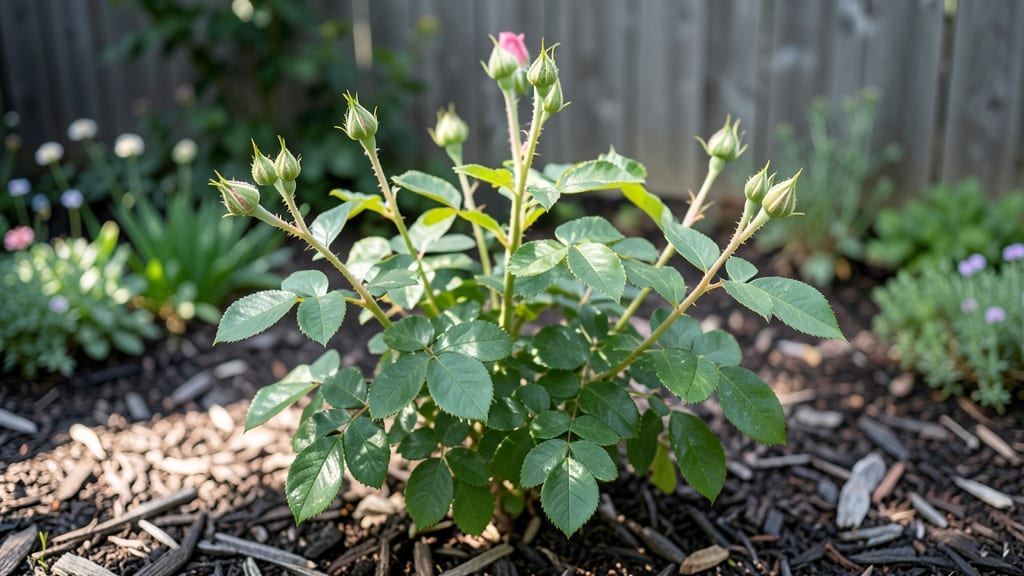
A new rose bush needs the right start—or it’ll fight you every season. 🌹 I’ve planted dozens, and the difference between a thriving bush and a struggling one comes down to location, soil, and the first few weeks of care.
Skip these basics, and you’ll spend years playing catch-up with weak stems and sparse blooms. The perfect spot gets 6+ hours of sun daily, well-draining soil (amend clay with compost), and room to grow—3-4 feet apart for hybrid teas, less for shrub roses.
Dig a hole twice as wide as the root ball but no deeper; backfill with a mix of native soil and compost, then water deeply to settle roots. Mulch with 2-3 inches of organic material to retain moisture and block weeds.
In the first year, focus on watering deeply 2-3 times a week (not daily light sprinkles) and fertilizing lightly every 6 weeks. Prune only to remove dead wood—never cut back more than 1/3 of the bush—or you’ll stunt its growth. The goal is strong roots, not blooms.
Mistakes like over-pruning, poor drainage, or crowding plants kill new bushes faster than pests ever could. But nail these steps, and by next spring, you’ll have a bush so vigorous it’ll make your neighbors jealous. Let’s get growing!
📚 In This Guide
- What you need
- Instructions
- Tips and common mistakes
- Wrapping up and next steps
What you need
- ○ Pruning shears: Bypass pruners (sharp, clean, and 5-inch blades for precision cuts). Optional: Felco F-2 or Gonicc for durability.
- ● Hand pruners: For smaller stems (3–4 inch blades). Must be sterilized with rubbing alcohol.
- ○ Gloves: Heavy-duty gardening gloves (protects from thorns and bacteria). Optional: Rose-specific gloves for extra grip.
- ● Disinfectant: 70% isopropyl alcohol or bleach solution (1 part bleach to 9 parts water) to sterilize tools.
- ○ Pruning sealant: Optional but helpful (e.g., Tree Seal Tape or Pruning Wax to prevent disease entry).
- ● Measuring tape or ruler: For consistent ¼–⅓ inch cuts above a bud.
- ● Garden twine or tape: To mark branches for removal (if needed).
- ● Bucket or bag: For collecting pruned branches (line with a plastic bag for easy disposal).
- ● Ladder or stool: If your rose bush is taller than 4–5 feet.
- ● Notebook & pen: To track pruning dates and notes on plant health.
- ● Weather check: Prune on a dry, cloudy day (avoid extreme heat or cold).
- ● Plant identification: Know your rose type (hybrid tea, floribunda, shrub, or climber)—pruning methods vary!
- ● Safety first: Wear long sleeves and closed-toe shoes to avoid thorn pricks.
Step-by-Step guide to pruning a new rose bush
Here's how I transform a new rose bush into a thriving, blooming beauty with simple, seasonal cuts.
✂️ Step 1: Prune After Planting for Strong Root Growth
Once your new rose bush is planted, trim the stems back by one-third right away. This might seem drastic, but it forces the plant to focus energy on establishing roots instead of supporting too many leaves and flowers. Cut just above an outward-facing bud—you'll see these little bumps along the stem where new growth will emerge.
Use clean, sharp pruners to make cuts at a 45-degree angle, about ¼ inch above the bud. This prevents water from pooling on the cut and causing rot. Avoid cutting into old wood—you can tell by the darker, thicker stems. Only remove the new, flexible growth from this first pruning.
✂️ Step 2: Perform Light Pruning in Early Spring
When new growth begins in early spring, focus on removing any dead, diseased, or crossing branches first. These are your priority cuts—they improve airflow and prevent future problems. Next, trim back any stems that grew during the previous season by one-fourth to encourage bushier growth.
Look for stems that are growing inward toward the center of the bush. These compete for sunlight and air circulation. Cut them out completely at their base. You'll know you're doing it right when you can see light and air moving through the center of the bush after pruning.
✂️ Step 3: Summer Pruning for Continuous Blooms
After your rose bush finishes its first major bloom cycle, give it a light trim to encourage more flowers. Cut back spent blooms by ½ inch above a leaf with five leaflets—this is called a five-leaflet leaf, and it's where new growth will emerge. This technique, called deadheading, redirects the plant's energy toward producing more flowers instead of seed pods.
Remove any stems that are growing too long or leggy. These often appear as thin, weak stems with few leaves. Cut them back to a strong, outward-facing bud. You'll see new shoots emerging from the sides within a few weeks—this is your bush filling out beautifully.
✂️ Step 4: Final Pruning in Late Fall or Early Winter
When your rose bush goes dormant in late fall or early winter, give it one last pruning before the cold sets in. Remove all dead, diseased, or weak stems completely. Then, trim back the remaining stems by one-third to prepare for next year's growth. This is also the time to remove any suckers—those vigorous shoots growing from the base of the bush or from the ground around it.
Clean up all the pruned material and dispose of it properly. Don't compost diseased stems—they can spread problems to your other plants. After pruning, give your rose bush a good mulching around the base to protect the roots during winter. You'll notice how much cleaner and more organized your bush looks, setting it up perfectly for spring's new growth.
Tips & tricks for perfect new rose bush pruning
Transforming a new rose bush into a lush, blooming masterpiece takes more than just cutting—it's about timing, technique, and understanding what your plant truly needs.
Timing is Everything: The one-third trim after planting might feel extreme, but trust me—this forces your rose bush to redirect energy to root development rather than supporting unnecessary foliage. I've seen new bushes struggle when skipped, so don't skip this step! The key is doing it immediately after planting while the plant is still establishing itself.
The 45-Degree Angle Secret: When making cuts in Step 1, that 45-degree angle isn't just for show—it prevents water from pooling on the cut surface, which could lead to rot. I learned this the hard way after losing a few early prunings to fungal infections. Always cut just above an outward-facing bud, and you'll see new growth emerge from exactly where you want it.
Spring Pruning Insight: In Step 2, when you're removing those crossing branches, think of it as creating a "window" through your bush. You want sunlight to penetrate to the center—this prevents shade-loving diseases and encourages stronger growth throughout. After pruning, if you can see light moving through the center, you've done it right.
Deadheading Done Right: That ½-inch cut above the five-leaflet leaf in Step 3 isn't arbitrary—it's where new growth will emerge. I've found that precise cut leads to more blooms than cutting too close or too far. Look for the leaf with five distinct leaflets (not compound leaves), and you'll always know where to make your cut for continuous blooms.
Pro Tips for New Rose Bush
- Transforming a new rose bush into a lush, blooming masterpiece takes more than just cutting—it's about timing, technique, and understanding what your plant truly needs.
- Timing is Everything: The one-third trim after planting might feel extreme, but trust me—this forces your rose bush to redirect energy to root development rather than supporting unnecessary foliage.
- The 45-Degree Angle Secret: When making cuts in Step 1, that 45-degree angle isn't just for show—it prevents water from pooling on the cut surface, which could lead to rot.
Frequently asked questions
Got questions about pruning your new rose bush?
Whether you're a first-time gardener or just want to refine your skills, these answers will help you keep those blooms coming year-round!
When is the best time to prune a new rose bush?
Prune your new rose bush in late winter or early spring (just before new growth starts) for hybrid teas and floribundas. For climbers and shrub roses, prune after blooming. Avoid heavy pruning in fall—it can stimulate tender growth that won’t survive winter. Pro tip: If planting in fall, wait until spring before pruning!
How much should I cut back a new rose bush?
For newly planted roses, minimal pruning is key—just trim dead, diseased, or crossing stems. In the first year, avoid heavy cuts (no more than 1/3 of the plant). Focus on shaping and removing weak growth. Warning: Over-pruning stresses young plants and delays blooming.
Can I prune a rose bush in summer?
Yes! Light summer pruning (after blooms fade) encourages reblooming varieties like hybrid teas. Remove spent flowers (deadheading) and trim back to the nearest 5-leaflet stem. Avoid heavy cuts—stick to shaping and air circulation. Hot tip: Prune on a cool morning to reduce stress on the plant!
What if my rose bush isn’t blooming after pruning?
Check these fixes:
- Light: Roses need 6+ hours of sun daily.
- Soil: Amend with compost for nutrients.
- Water: Deep water 1–2 times weekly (drought stress stops blooms).
- Fertilizer: Use a balanced rose food in spring and summer.
Are there alternatives to pruning for shaping a rose bush?
If pruning feels overwhelming, try these low-maintenance options:
- Pinching: Squeeze off new growth tips with fingers to encourage bushiness (great for young plants!).
- Thinning: Remove only the thickest, weakest canes to improve airflow.
- Topiary: Train climbers or shrub roses into shapes with flexible canes (no cutting needed!).
Wrapping up and next steps
Pruning your new rose bush doesn’t have to be intimidating—it’s all about timing, technique, and a little patience.
With the right tools, seasonal care, and a steady hand, you’ll unlock vibrant blooms year after year. 🌹 Whether you’re a beginner or refining your skills, every trim brings you closer to a thriving, picturesque garden.
Ready to take the next step? Start small—pick one rose bush this season, follow the guide, and watch your confidence (and blooms!) grow. Happy pruning! 🌱