
Size
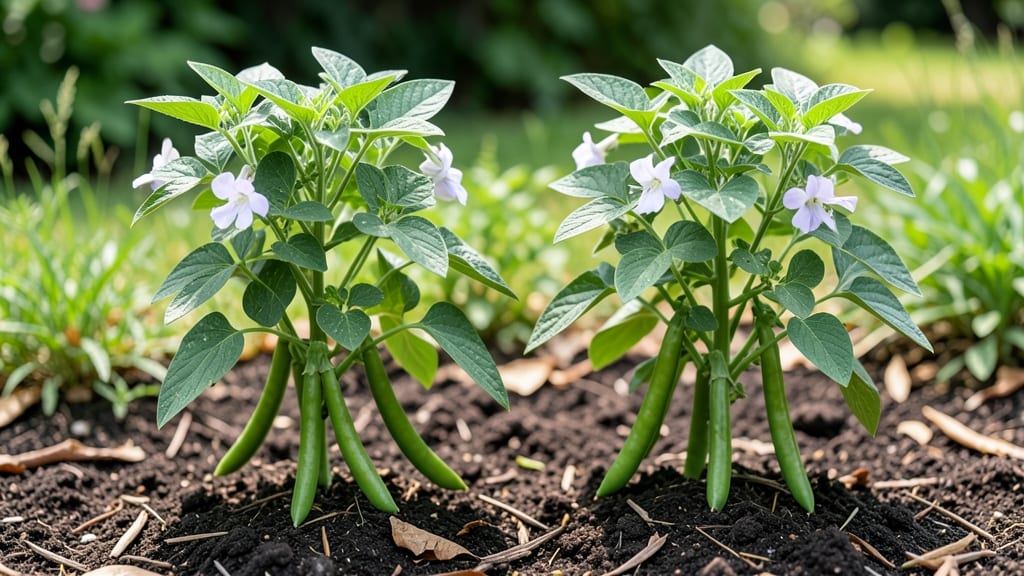
Growing bush beans is the best way to grow bush beans from seed to harvest in just 50 days—the fastest vegetable you can grow in your garden. 🌱 I used to struggle with slow germination and poor yields until I discovered the simple tricks that turn a handful of seeds into a bushel of beans—no fancy equipment needed.
The secret starts with warm soil and consistent moisture, but it’s the spacing and sunlight that make the difference. Plant seeds an inch deep, 3-4 inches apart in rows spaced 18 inches apart, and give them full sun for 6-8 hours daily.
Most gardeners overwater or crowd the plants, which leads to weak stems and fewer pods.
By following this method, you’ll harvest tender beans within weeks, with plants producing continuously until frost. The flavor is sweeter than store-bought, and you’ll have enough to freeze or share. Even my black thumb can’t kill these with the right care.
Works in containers, raised beds, or in-ground gardens—just adjust spacing for smaller pots. Here’s how to avoid the common mistakes that waste seeds and time.
📚 In This Guide
- What you need
- Instructions
- Tips and common mistakes
- Wrapping up and next steps
What you need
- ● Bush Bean Seeds: Choose a high-quality, heirloom, or hybrid variety (e.g., Blue Lake, Contender, or Provider). Aim for 50–100 seeds depending on your garden size.
- ● Growing Containers or Garden Bed: Containers: At least 5–6 inch deep (bush beans have shallow roots). Use 5–10 containers (1–2 seeds per container).
- ● Garden Bed: A 3–4 foot wide row with 18–24 inches between rows for optimal airflow.
- ● Well-Draining Soil: Mix compost or aged manure (1–2 inches) into the top 6 inches of soil for nutrients. Aim for a pH of 6.0–7.0.
- ○ Organic Fertilizer: A balanced 10-10-10 or compost tea to boost growth (optional but recommended).
- ● Watering Can or Hose: With a gentle spray nozzle to avoid displacing seeds.
- ● Mulch: Straw or grass clippings (1–2 inches) to retain moisture and suppress weeds.
- ● Seedling Heat Mat: Speeds up germination if starting indoors (💡 Pro Tip: Place near a sunny window or under grow lights!).
- ● Row Cover or Shade Cloth: Protects young plants from pests or harsh sun.
- ● Trellis or Cage: Even though bush beans don’t climb, a small 6-inch cage can support vines if needed.
- ● Plant Markers: Label seeds with toothpicks or biodegradable tags to track varieties.
- ● Pruning Shears: For trimming overgrown foliage or harvesting.
Step-by-step instructions for growing bush beans with speed and success
Here’s how I get bush beans sprouting in days and producing pods in weeks—no waiting around.
🌱 Step 1: Prepare the Soil for Fast Germination
Bush beans grow best in warm, well-draining soil with a pH between 6.0 and 7.0. Work in 2-3 inches of compost into the top 6 inches of soil—this boosts nutrients and improves drainage. I like to add a handful of aged manure or worm castings for extra speed, but skip fresh manure (it burns tender roots).
Loosen the soil to a depth of 12 inches with a garden fork or tiller—this helps roots spread quickly. If your soil feels heavy or compacted, mix in 1 part perlite to 3 parts soil for better aeration. The goal is soil that crumbles easily when squeezed, not clumps that hold together.
☀️ Step 2: Plant Seeds at the Right Time and Depth
Wait until the soil temperature reaches at least 60°F—cold soil slows germination to a crawl. Plant seeds 1 inch deep and 3-4 inches apart in rows spaced 18-24 inches apart. I like to use a handheld dibble or my finger to make holes, but a stick works too. Drop 2-3 seeds per hole—you’ll thin later.
Cover seeds lightly with soil, then water gently to settle everything. Avoid soaking the soil—beans need moisture, not soggy conditions. If planting in cooler climates, use black plastic mulch to warm the soil faster. You’ll see sprouts in 5-10 days if conditions are right.
💧 Step 3: Water and Maintain for Rapid Growth
Keep the soil evenly moist but not soggy—beans hate wet feet. Water at the base 1-2 inches deep every 2-3 days, adjusting for rain. Let the top 1 inch of soil dry out slightly between waterings to prevent fungal diseases. A soaker hose or drip irrigation keeps water where roots need it most.
Once seedlings reach 4-6 inches tall, thin to the strongest plant per hole. Snip the weaker ones at the base with scissors—this prevents root disturbance. Bush beans grow fast, so fertilize lightly 2-3 weeks after planting with a balanced 10-10-10 fertilizer (follow package rates). Too much nitrogen makes leaves explode but no pods.
✂️ Step 4: Harvest at Peak Freshness for Continuous Yields
Bush beans produce pods in 45-60 days after planting, depending on the variety. Harvest when pods are 4-6 inches long and snap easily when bent. Pick every 2-3 days—this encourages more production. I use sharp scissors or my fingers to avoid damaging the plant. Check the garden daily in the morning for the freshest pods.
Stop harvesting when pods stop forming or turn woody—this signals the end of the season. Save seeds from your best plants by letting a few pods mature fully on the vine. Dry them in a warm, airy spot before storing. With proper care, one planting can give you weeks of fresh beans!
Tips & tricks for perfect bush bean growth
Here's what I've learned to turn good bush bean harvests into spectacular ones—without the guesswork.
Soil Temperature Secret: That 60°F minimum soil temperature isn't just a number—it's the difference between seeds sprouting in 5 days versus 2 weeks. I use a soil thermometer to check before planting, especially in spring. If your soil is cooler, cover it with black plastic mulch 1-2 weeks ahead to warm it up faster. The mulch also suppresses weeds and retains moisture.
Thinning Technique: When thinning seedlings to the strongest plant per hole, I wait until they're about 2 inches tall—this gives them enough time to establish small root systems before competition. Use clean scissors to snip at the base rather than pulling, which can uproot nearby plants. The thinnings make great stir-fry greens!
Watering Wisdom: Those 2-3 days between waterings can vary wildly based on weather. In hot, dry conditions, I water every 2 days, but during cool, rainy periods, I might skip a day. The key is checking the top inch of soil—if it's dry to the touch, it's time to water. Overwatering is the #1 cause of fungal diseases in bush beans.
Fertilizer Timing: The 2-3 week window for that first light feeding is critical. Too early and you'll get leafy plants with no pods. Too late and you miss the growth spurt. I mix my 10-10-10 fertilizer with water first, then apply it at the base of plants in the morning. The middle number (phosphorus) helps root development and flowering—exactly what bush beans need at this stage.
Pro Tips for Best Way To Grow Bush Beans
- Here's what I've learned to turn good bush bean harvests into spectacular ones—without the guesswork.
- Soil Temperature Secret: That 60°F minimum soil temperature isn't just a number—it's the difference between seeds sprouting in 5 days versus 2 weeks.
- Thinning Technique: When thinning seedlings to the strongest plant per hole, I wait until they're about 2 inches tall—this gives them enough time to establish small root systems before competition.
Frequently asked questions
Got questions about growing bush beans?
You’re not alone! Here are answers to the most common queries to help you grow a thriving crop with confidence.
How long does it take for bush beans to germinate?
Bush beans typically sprout in 5–10 days after planting, depending on soil temperature and moisture. For faster germination, keep soil warm (60–85°F) and consistently moist. If seeds take longer than two weeks to sprout, try replanting—old seeds may have lost viability.
When is the best time to plant bush beans?
Plant bush beans 2–3 weeks after your last frost date when soil is at least 60°F. For cooler climates, start seeds indoors 4–6 weeks before transplanting. In warm regions, you can plant twice—once in early spring and again in late summer—for a double harvest!
Can I grow bush beans in containers or small spaces?
Bush beans thrive in containers at least 12 inches deep with good drainage. Use a lightweight potting mix and plant 2–3 seeds per container. For small gardens, try vertical trellises or interplant with shallow-rooted veggies like lettuce to maximize space.
What should I do if my bush beans get pests or diseases?
Common issues include bean beetles, aphids, or fungal spots. For pests, use neem oil or introduce beneficial insects like ladybugs. Improve airflow to prevent disease, and rotate crops next year. If leaves yellow, check for overwatering or nutrient deficiency—beans need well-draining soil and occasional compost.
Can I grow bush beans in hot or cold weather?
Bush beans prefer warm soil (60–85°F) and struggle in extreme heat (>90°F) or cold (<50°F). In hot climates, provide afternoon shade and mulch to retain moisture. In cold regions, use row covers for early planting or opt for heat-tolerant varieties like ‘Blue Lake’ or ‘Contender’.
Wrapping up and next steps
Growing bush beans is a rewarding journey that combines simplicity with big results—whether you're a beginner or a seasoned gardener! 🌱 With the right soil, spacing, and care, you’ll enjoy fast germination and a harvest that keeps coming.
The key? Stay patient, keep them watered, and watch those pods grow!
Ready to turn your garden into a bean bonanza? Start with a small patch this season, experiment with varieties, and soon you’ll be sharing (or canning!) your homegrown bounty. Happy planting! 🌟