
Propagation
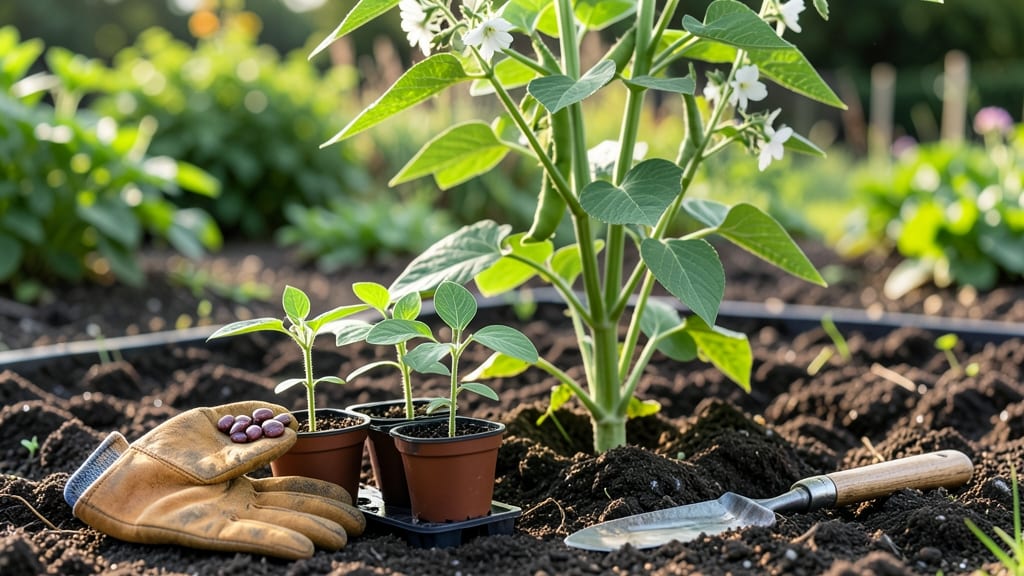
Strike bush bean seeds in just 5-7 days—no waiting months for slow starters. 🌱 I've learned the hard way that proper soil warmth and moisture make all the difference between speedy sprouts and stubborn seeds. The secret isn't fancy equipment; it's matching conditions to what beans naturally crave.
Start with warm soil (70-85°F) and plant seeds 1 inch deep, barely covering them. Overwatering is the #1 killer—keep soil damp but never soggy, or seeds will rot before they sprout.
A seedling heat mat or sunny windowsill can give you that extra warmth boost when outdoor soil is still chilly. You'll see tiny green hooks breaking through the soil within a week, ready to grow into bushy plants producing pods for weeks.
The key is patience and consistency—once they sprout, keep them evenly moist and in bright light to avoid leggy seedlings. Works for both in-ground and container gardens. Here's how to avoid the most common pitfalls while getting those seeds going!
📚 In This Guide
- What you need
- Instructions
- Tips and common mistakes
- Wrapping up and next steps
What you need
- ● Bush bean seeds: 1–2 lbs (or ~100–200 seeds, depending on planting scale). Opt for a fast-germinating variety like 'Blue Lake' or 'Contender' (ready in 50–60 days!).
- ● Seed-starting mix: 10–15 lbs of lightweight, sterile potting soil (avoid garden soil—it’s too dense!).
- ● Containers: Seed trays (with drainage holes) or biodegradable pots (for transplanting).
- ● 1–2 gallon pots if starting indoors and planning to transplant later.
- ● Watering can or spray bottle: With a fine mist nozzle for gentle hydration.
- ● Plant labels: Small tags or markers to track seed varieties and planting dates.
- ● Gloves: Gardening gloves to protect your hands from soil and sharp edges.
- ● Trowel: A small hand trowel for planting seeds at the correct depth (~1 inch).
- ○ Heat mat (optional but helpful): For indoor starts—keeps soil at 70–80°F to speed germination.
- ○ Grow lights (optional): LED or fluorescent lights (12–16 hours/day) if starting indoors before last frost.
- ○ Fertilizer (optional): A balanced, water-soluble fertilizer (5-10-5 ratio) for young seedlings.
- ● Warmth: Bush beans thrive in soil temps of 60–90°F. Wait until after the last frost to plant outdoors.
- ● Sunlight: Full sun (6–8 hours/day) for optimal growth. A south-facing window or grow lights works for indoor starts.
- ● Moisture: Keep soil consistently moist (not soggy!) until seeds sprout.
Step-by-step instructions for germinating strike bush bean seeds
Here's how I get these seeds sprouting in just days—not weeks—so you can enjoy fresh beans sooner.
🌱 Step 1: Soak Seeds Overnight for Faster Germination
Place 4 bean seeds in a small bowl and cover them with warm water (about 80°F). Let them soak for 8-12 hours—this softens the seed coat and speeds up germination. You'll know they're ready when they plump up slightly and the outer skin looks a little wrinkled.
Don't skip this step. I've tried planting dry seeds, and they take twice as long to sprout. After soaking, drain the water and let the seeds sit in a damp paper towel for 30 minutes before planting. This keeps them hydrated without overwatering.
🌱 Step 2: Plant Seeds at the Right Depth and Spacing
Fill your planting area with loose, well-draining soil. Strike bush beans need 1 inch of space between seeds and 2-3 inches deep—deeper planting slows germination, while shallower planting risks drying out. Use your finger to make small holes, then drop in the soaked seeds.
Cover lightly with soil and press down gently to ensure good seed-to-soil contact. Water lightly with a spray bottle until the soil feels damp but not soggy. Overwatering here can cause the seeds to rot before they sprout. I like to use a fine mist so the soil stays evenly moist without disturbing the seeds.
☀️ Step 3: Provide Warmth and Consistent Moisture
Keep the soil warm—70-85°F is ideal for fast germination. If planting outdoors, cover the area with a clear plastic dome or row cover to trap heat. Indoors, place a seedling heat mat beneath the container. You should see sprouts in 5-7 days—that's the magic of Strike beans!
Water gently every 2-3 days until the soil feels dry to the touch. Avoid soaking the leaves, as this can lead to fungal issues. Once the first true leaves appear (not the initial seed leaves), thin the seedlings to the strongest one per spot, leaving 4-6 inches between plants for optimal growth.
🌿 Step 4: Thin Seedlings and Support Early Growth
When seedlings reach 2-3 inches tall, use scissors to snip the weaker ones at soil level. This prevents competition for nutrients and gives your remaining plants room to thrive. Strike beans grow bushy, so they don’t need trellises, but you can add a small cage if you notice stems leaning.
After thinning, water at the base of the plants to avoid wetting the leaves. Keep the soil consistently moist but not waterlogged—bush beans hate soggy roots. You’ll know you’re doing it right when the leaves stay vibrant and the stems feel firm to the touch.
⏰ Step 5: Monitor for Harvest Readiness
Once plants reach 18-24 inches tall, they’ll start flowering in 2-3 weeks. Watch for white or purple blossoms—these signal pods are forming. Harvest begins when pods are 4-6 inches long and firm to the touch. Strike beans are ready to pick when the seeds inside rattle slightly but the pod still feels crisp.
Pick beans regularly to encourage more production. I harvest every 2-3 days in peak season, and the plants keep yielding for weeks. If you let pods get too large or dry, the flavor and texture suffer—so stay on top of it!
Tips & tricks for fast-germinating bush beans
These simple tricks will help you grow Strike bush beans faster than you ever thought possible—without any guesswork.
The Warm Water Secret: For that perfect 80°F soaking water, I fill a bowl with warm tap water and let it sit for 5 minutes to cool slightly. If your water runs hot, let it cool to the touch before using—too hot can damage the seeds. The goal is warm, not scalding, water that feels comfortable to your wrist. This ensures the seeds absorb moisture quickly without stress.
Soaking Visual Cues: After the 8-12 hours soak, the seeds should look noticeably plump and the outer skin slightly wrinkled—almost like they're wearing tiny swimsuits! If they still look shriveled, give them another hour or two. Over-soaking beyond 12 hours can leach nutrients, so stick to the window. Pro tip: Use a clear bowl so you can easily check progress without disturbing them.
Planting Depth Hack: The 2-3 inch planting depth might seem tricky—here's how I do it: Use your finger to make holes just deep enough to cover the seeds completely. For reference, that's about the length of your pinky finger from the first knuckle to the tip. Press the soil gently around the seeds to ensure good contact, but don't compact it too much—you want air to reach those little guys.
Heat Mat Alternative: If you don't have a seedling heat mat, try placing your planting container on top of your refrigerator during the day. The heat rising from the fridge's coils creates a warm environment perfect for germination. Just monitor the soil temperature with your finger—it should feel warm but not hot to the touch. This works especially well if your home tends to stay cool.
Pro Tips for Strike Bush Bean Seeds
- These simple tricks will help you grow Strike bush beans faster than you ever thought possible—without any guesswork.
- The Warm Water Secret: For that perfect 80°F soaking water, I fill a bowl with warm tap water and let it sit for 5 minutes to cool slightly.
- Soaking Visual Cues: After the 8-12 hours soak, the seeds should look noticeably plump and the outer skin slightly wrinkled—almost like they're wearing tiny swimsuits!
Frequently asked questions
Got questions about growing strike bush bean seeds? You’re not alone! Here are some of the most common queries—plus quick, actionable answers to help you strike gold (or at least a bountiful harvest) in your garden.
How long does it take for strike bush bean seeds to germinate?
Strike bush beans are fast germinators—typically sprouting in 5–10 days under ideal conditions (warm soil, 70–85°F, and consistent moisture). For speed, soak seeds overnight before planting or use a heat mat. Patience pays off, but if nothing emerges in 2 weeks, check for rot or depth issues (they need 1–2 inches of soil coverage).
When is the best time to plant strike bush bean seeds outdoors?
Wait until the soil is at least 60°F and all frost danger has passed—usually 2–3 weeks after your last spring frost. For cooler climates, start seeds indoors 4–6 weeks before the last frost and transplant seedlings. Strike beans hate cold, so rushing can stunt growth. Pro tip: Use black plastic mulch to warm the soil faster!
Can I grow strike bush beans in containers? If so, what’s the ideal pot size?
Strike bush beans thrive in containers as long as the pot is at least 12–18 inches deep and wide enough for 3–4 plants. Use well-draining soil with compost, and place pots in full sun (6+ hours/day). Dwarf varieties like ‘Strike’ are perfect for balconies or small spaces—just avoid overcrowding, or you’ll sacrifice yield and airflow.
Why aren’t my strike bush bean seeds sprouting? Troubleshooting tips?
Common culprits:
- Too cold: Strike beans need warmth—cover seeds with a clear plastic dome or use a seedling heat mat.
- Over/under-watering: Soil should stay consistently moist but not soggy. Drain excess water to avoid rot.
- Old or low-quality seeds: Test viability by soaking seeds in water—floaters are likely dead. Store seeds in a cool, dry place for next year.
- Depth issues: Plant seeds 1–2 inches deep; deeper = slower germination.
Are strike bush beans drought-tolerant? How often should I water them?
Once established, strike bush beans are moderately drought-tolerant, but consistent moisture is key during flowering and podding. Water 1–2 inches per week, aiming for the soil (not leaves) to prevent fungal diseases. Mulch heavily to retain moisture and keep roots cool. Drought stress = fewer pods, so don’t skip watering during heatwaves!
Wrapping up and next steps
Growing strike bush bean seeds is your ticket to a bountiful, homegrown harvest with minimal fuss!
These fast-germinating seeds thrive in warm soil, offering quick rewards and delicious yields—perfect for both beginners and seasoned gardeners. 🌱 Whether you’re planting in containers or garden beds, remember to keep the soil moist, provide full sun, and stay patient as those first sprouts emerge.
Now that you’re armed with the know-how, take the next step—grab your seeds, prep your plot, and watch your garden transform! Share your progress with fellow green thumbs or experiment with companion planting to boost your harvest even further. Happy growing! 🌟