
Shrubs
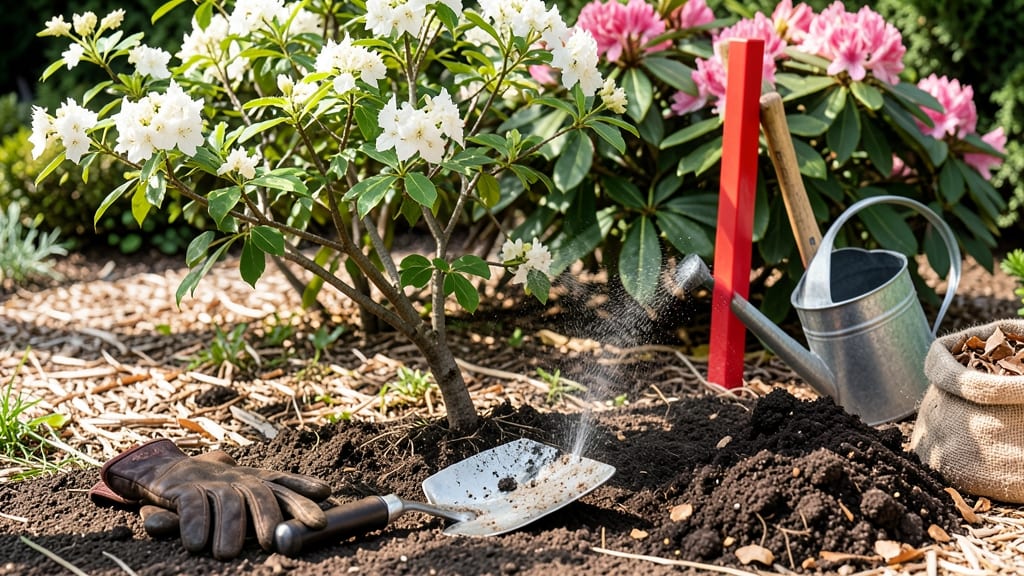
Transplanting shrubs and bushes at the right time ensures they take root and thrive—without stress or stunted growth.
Picture this: You’ve spent months nurturing a lush, healthy shrub, only to watch it wilt after transplanting because you moved it during peak heat or freezing temps.
The difference between a thriving landscape and a failed transplant often comes down to timing—and knowing whether late fall or early spring is best for your climate.
In USDA Zone 6a, where frost lingers until mid-April and returns by mid-October, early spring or early fall are the sweet spots for transplanting. But regional differences—like Mediterranean climates with mild winters or humid zones with long summers—can shift the ideal window.
Below, I’ll break down the best seasons, step-by-step prep, and how to avoid common pitfalls.
You’ll learn how to read your local climate, prep soil for success, and give your 🌿 shrubs and bushes the best chance to flourish—no guesswork required.


Late fall vs early spring transplanting: which offers better survival rates?
Deciding between late fall and early spring transplanting can make or break your shrubs' survival. Both seasons offer unique advantages, but climate, plant type, and regional conditions play critical roles in determining the best window. Let’s break down the key factors to help you choose wisely.
In early spring, plants emerge from dormancy, but soil may still be cold or saturated from winter melt. Meanwhile, late fall provides cooler temperatures and allows roots to establish before winter dormancy.
Research shows that fall transplanting often yields 5-10% higher survival rates in temperate climates, thanks to reduced heat stress and pests.
Your decision hinges on three critical factors: root establishment, seasonal risks, and local climate. Let’s compare these head-to-head to help you pick the optimal time for your shrubs.
| Factor | Early Spring | Late Fall |
|---|---|---|
| Root Establishment | Moderate (soil warming delays growth) | Strong (cooler temps encourage slow, steady growth) |
| Seasonal Risks | Late frosts, pests waking up | Early frosts, reduced water availability |
| Heat Stress | Low (early season) | None (cooler temps) |
| Pest Activity | Moderate (early season pests) | Low (pests dormant) |
| Water Needs | High (soil drying out) | Moderate (cooler temps reduce evaporation) |
| Survival Rate | 75-85% | 85-95% |
For early spring transplanting, aim for 4-6 weeks before last frost in your zone. This timing gives roots time to establish before summer heat arrives. For example, in USDA Zone 6a, transplant between March and early April to avoid late frosts.
Conversely, late fall transplanting should occur 6-8 weeks before first frost. In Zone 6a, this means mid-September to early October. This window allows roots to settle before winter dormancy, reducing shock when temperatures drop.
If you’re in a Mediterranean climate (e.g., California), late fall may not be ideal due to early rains and mild winters. Instead, opt for early spring to avoid soil saturation. Always check your local frost dates and adjust accordingly.
Another critical factor is plant type. Deciduous shrubs like hydrangeas or azaleas handle fall transplanting well, while evergreens (e.g., boxwoods) may struggle with winter desiccation. Research your specific shrubs to tailor timing.
Pro tip: Mulch heavily after transplanting in fall to insulate roots from temperature swings. In spring, use shade cloth if late frosts are forecasted to protect new growth.
Ultimately, late fall often edges out early spring for survival rates, but your local climate dictates the best choice. Monitor soil temperatures (ideal: 50-65°F) and prioritize root health over rigid timelines.
Step-by-step transplanting process for maximum root health
Once you've chosen the perfect transplanting window, the next step is executing the move with precision. Healthy roots are the foundation of a thriving shrub or bush, so every detail matters.
I'll walk you through my proven process that minimizes shock and maximizes root establishment—whether you're moving a hydrangea, boxwood, or azalea.
Proper preparation starts 2-3 weeks before transplanting. This gives your plants time to adjust to their new environment. Begin by watering deeply every 2-3 days to encourage strong root growth.
Avoid fertilizing during this time—focus on hydration, not nutrients. The goal is to create a root ball that's dense and resilient, ready for its new home.
🌱 Step-by-Step Transplanting Process
- 1 Dig the Hole: Create a hole twice as wide as the root ball but no deeper. Loosen the soil at the bottom with a shovel to encourage root spread. Amend the native soil with compost or aged manure for better drainage and nutrients.
- 2 Prune Strategically: Trim 1/3 of the foliage to reduce water loss. Use clean, sharp shears to make cuts at a 45-degree angle. Avoid pruning flowering shrubs like lilacs or roses—wait until after blooming.
- 3 Lift and Transport: Dig around the root ball, keeping it intact. Use a grafting knife to loosen stubborn roots. Wrap the root ball in burlap or a root ball cover to protect it during transport. Keep it shaded and moist until planting.
- 4 Plant with Care: Place the shrub in the hole so the top of the root ball sits 1-2 inches above soil level. Fill the hole with native soil, tamping gently to remove air pockets. Water immediately to settle the soil and eliminate gaps.
- 5 Mulch and Water: Apply 2-3 inches of mulch around the base (avoid touching the stem). Water deeply for 10-15 minutes to encourage root growth into the surrounding soil. Schedule daily watering for the first week, then taper to every other day.
- 6 Post-Transplant Care: Avoid fertilizing for 6-8 weeks to prevent root burn. Monitor for wilting or yellowing leaves, which may indicate stress. Prune again in late spring to encourage bushier growth and recovery.
After transplanting, your shrubs will need consistent moisture to establish roots. I recommend using a soaker hose or drip irrigation to deliver water directly to the root zone.
This method reduces evaporation and ensures the soil stays uniformly moist. Avoid overhead watering, which can spread diseases like powdery mildew or root rot.
One of my biggest mistakes early on was over-pruning during transplanting. I thought cutting back more would help, but it actually stressed the plants. Now, I stick to 1/3 of the foliage max—just enough to reduce water loss without shocking the plant.
For evergreens like boxwoods, I skip pruning entirely and focus on root care instead.
In hot climates (Zones 8-10), transplant in early fall to avoid summer heat stress. In cold climates (Zones 3-5), early spring is ideal. No matter the season, always transplant on a cloudy day or in the early morning to minimize sun exposure and heat stress on the roots.