
Shrubs
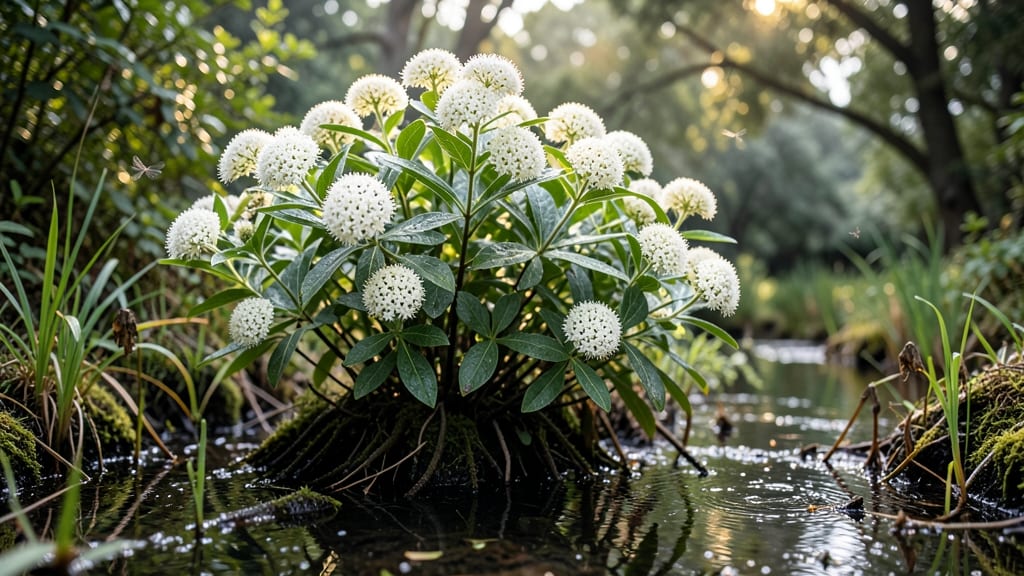
South Carolina’s humid climate demands shrubs that are both hardy and beautiful. These 10 native bushes not only survive but thrive in heat, humidity, and occasional drought—adding year-round color, texture, and wildlife support to your landscape.
American Beautyberry for Vibrant Purple Berries
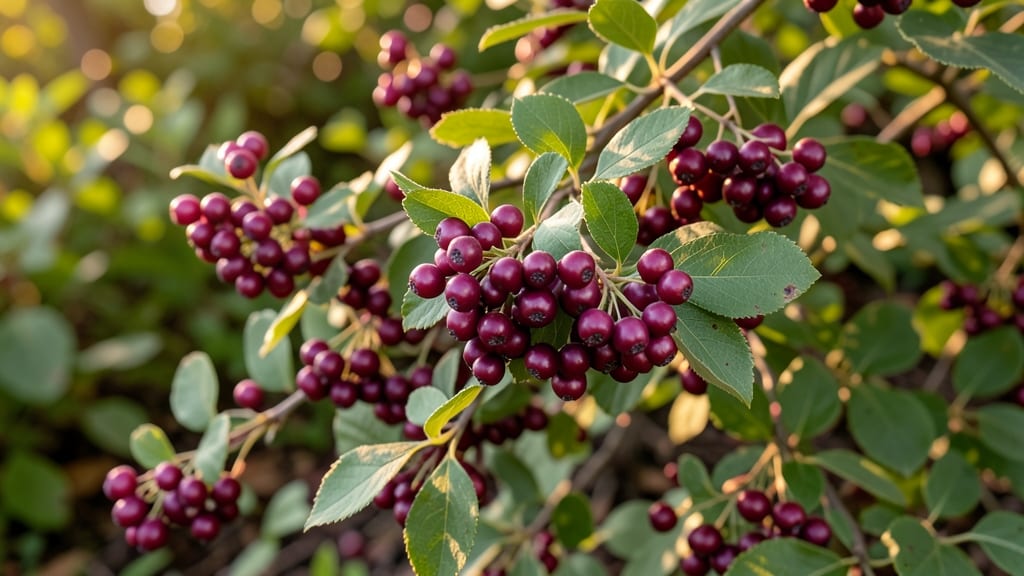
Looking for a shrub that thrives in South Carolina’s heat and humidity while offering year-round visual appeal? American beautyberry (Callicarpa americana) delivers with its vibrant purple berries that persist from fall through winter—a rare treat in the garden.
This drought-tolerant and deer-resistant shrub thrives in full sun to partial shade and handles clay or sandy soils with ease. Plant it in groups for maximum impact, as the berries attract birds and add a pop of color when most plants have lost their seasonal flair. Prune lightly in late winter to shape the shrub and encourage new growth.
Perfect for wildlife lovers, low-maintenance gardeners, or anyone who wants to extend their garden’s seasonal interest, beautyberry is a standout choice that requires minimal care once established. 🌻
Coastal Azalea for Spring Blooms and Salt Tolerance
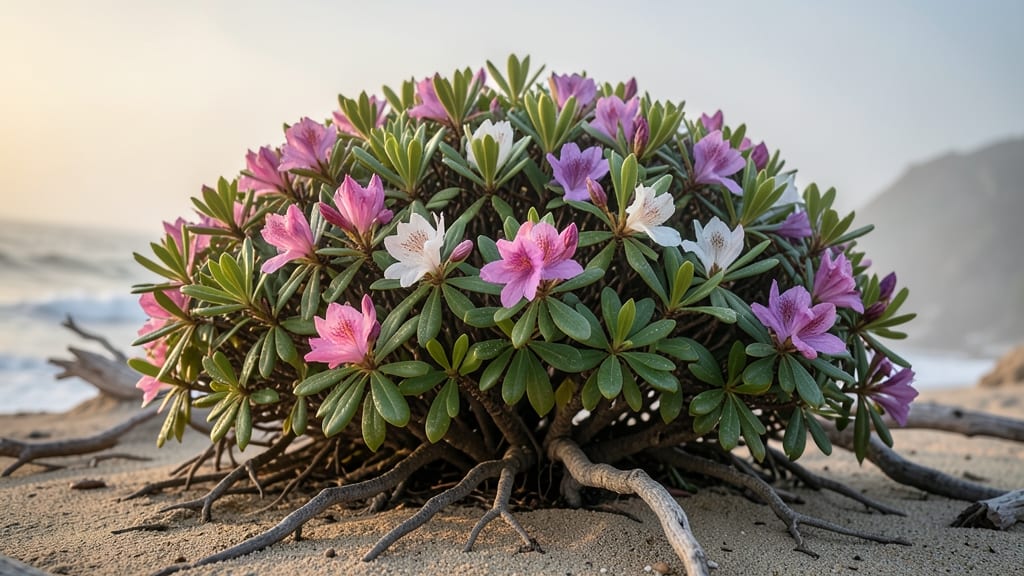
If you live near the coast, you know how brutal salty air can be on plants—but coastal azaleas not only survive but thrive in these conditions. Their fragrant spring blooms in pink, purple, and white make them a standout for seaside gardens, where few shrubs can handle the combination of salt spray and humidity.
Plant them in well-draining soil with morning sun and afternoon shade to protect their delicate blooms from harsh afternoon rays. Prune lightly after flowering to maintain shape, and fertilize with acid-loving plant food in early spring. These azaleas also attract pollinators, adding an extra layer of garden life.
Perfect for gardeners along the coast, they bring vibrant color without the fuss of high-maintenance care—ideal for those who want beauty and resilience in one package. 🌻
Eastern Redbud for Early Spring Color
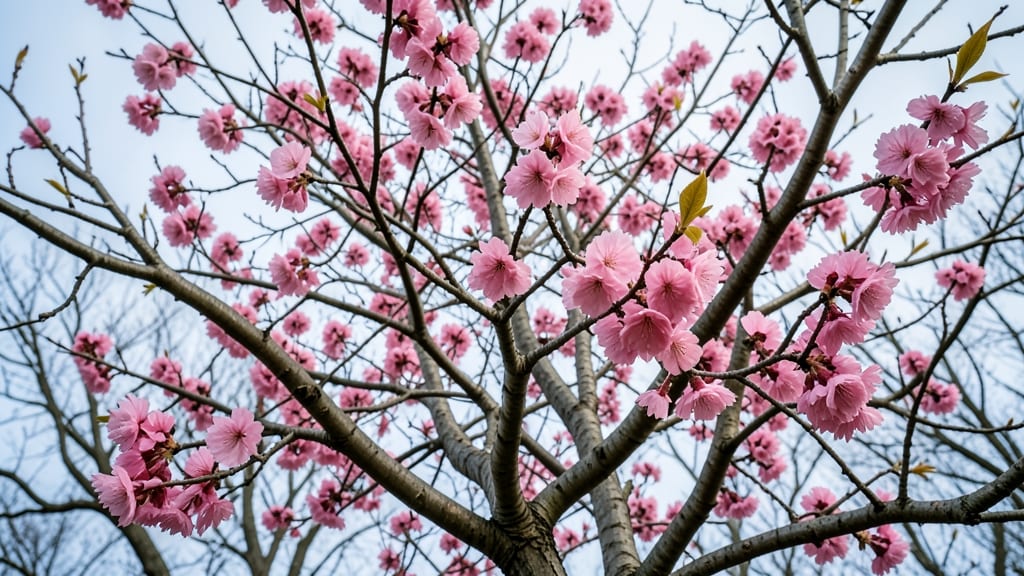
When winter’s grip finally loosens and you’re craving a splash of color, the Eastern redbud delivers with its pink blossoms that burst forth before leaves even appear. This native shrub is a true harbinger of spring, often blooming as early as February in South Carolina, turning bare branches into a stunning display of delicate flowers.
Thriving in both sunny and partially shaded spots, Eastern redbud adapts effortlessly to most garden conditions. Its heart-shaped leaves emerge after flowering, creating a lush green backdrop that lasts through summer. For best results, plant in well-draining soil and water moderately—once established, it’s drought-tolerant and requires minimal care. Prune lightly after flowering to maintain shape.
Perfect for small gardens, woodland edges, or as a focal point in borders, this shrub brings early beauty without demanding attention. Gardeners who love low-maintenance plants with high impact will appreciate its year-round interest, from spring blooms to autumn’s golden foliage. ✨
Wax Myrtle for Privacy and Wildlife Support
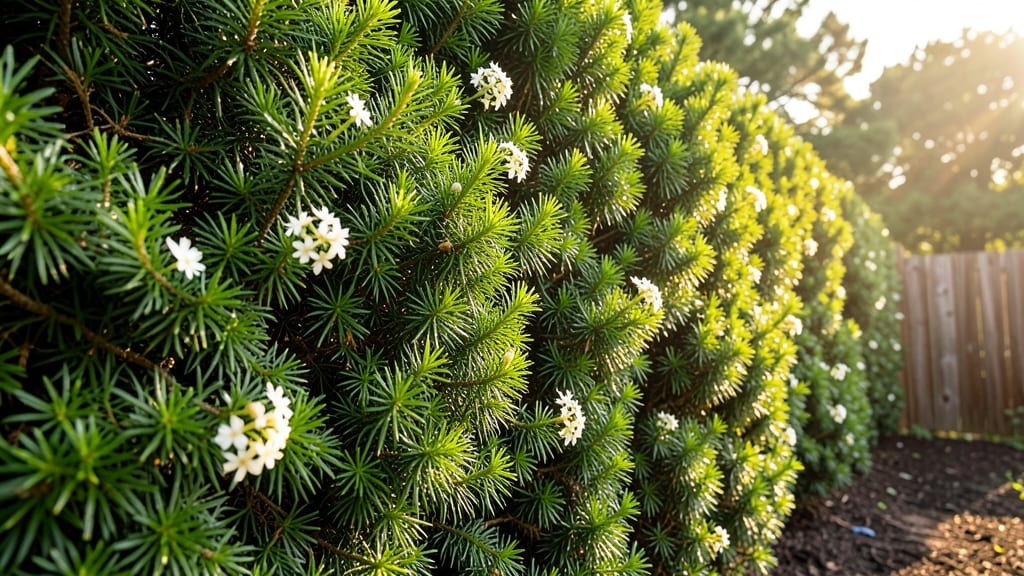
Tired of waiting years for a privacy screen to fill out? Wax myrtle (Morella cerifera) grows 3-5 feet per year, creating a lush, evergreen barrier in just a few seasons—ideal for fence lines or property edges in South Carolina.
Beyond its speed, wax myrtle’s small white flowers transform into blue-black berries that birds and butterflies adore, especially during winter when food is scarce. It thrives in full sun to partial shade and handles sandy, acidic soils common in the Lowcountry. Prune lightly in late winter to maintain shape without sacrificing growth.
Perfect for homeowners seeking both instant privacy and wildlife support, wax myrtle’s low-maintenance nature makes it a top choice for coastal and inland gardens alike. 🌿
Fetterbush for Fragrant Summer Flowers
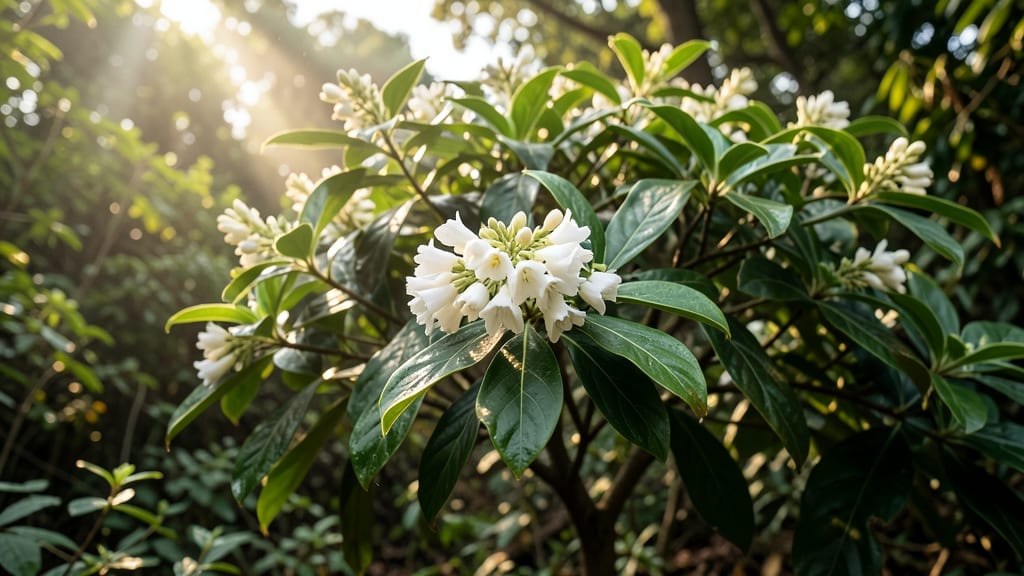
Looking for a fragrant summer showstopper that thrives in South Carolina’s heat and humidity? Meet fetterbush (Leucothoe axillaris), a native hydrangea relative that delivers clusters of sweetly scented white flowers from June through August. Unlike fussy hydrangeas, fetterbush adapts effortlessly to both sun and partial shade, making it a versatile choice for borders, woodland edges, or even containers.
This underrated shrub attracts pollinators like bees and butterflies while offering year-round interest—its glossy, evergreen leaves provide texture even after blooms fade. Prune lightly in late winter to shape, but avoid heavy cuts, as fetterbush blooms on old wood. With minimal care, it rewards you with four weeks of intoxicating fragrance that fills summer gardens with a clean, citrusy aroma.
Perfect for gardeners who want low-maintenance beauty without sacrificing wildlife benefits, fetterbush is especially prized in shaded areas where other shrubs struggle. 🌿
Carolina Silverbell for Delicate Bell-Shaped Flowers
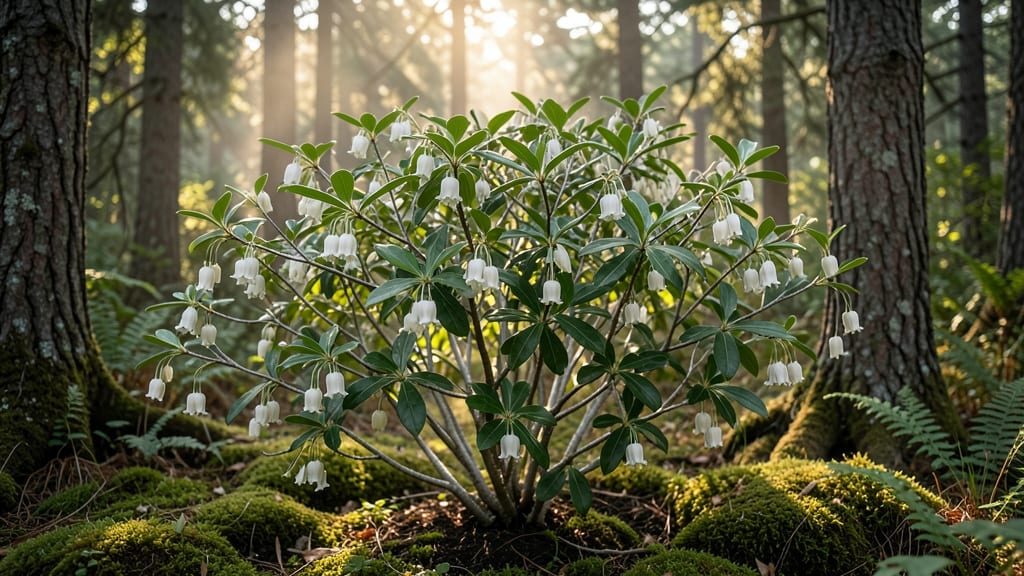
If you crave a whimsical woodland charm without sacrificing low-maintenance appeal, Carolina Silverbell (Halesia carolina) is your secret weapon. This underused native shrub dazzles with bell-shaped white flowers that cascade like tiny bells in late spring, creating a fairy-tale effect in shaded corners of your garden.
Thriving in partial to full shade, Carolina Silverbell tolerates South Carolina’s humidity and acidic soils, making it ideal for understory plantings or as a focal point near patios. Its smooth, gray bark adds winter interest, while mature plants reach 15–20 feet—perfect for layering depth in woodland gardens. Prune lightly after flowering to maintain shape, and watch hummingbirds flock to its nectar-rich blooms. 🌷
Spicebush for Year-Round Interest and Butterflies
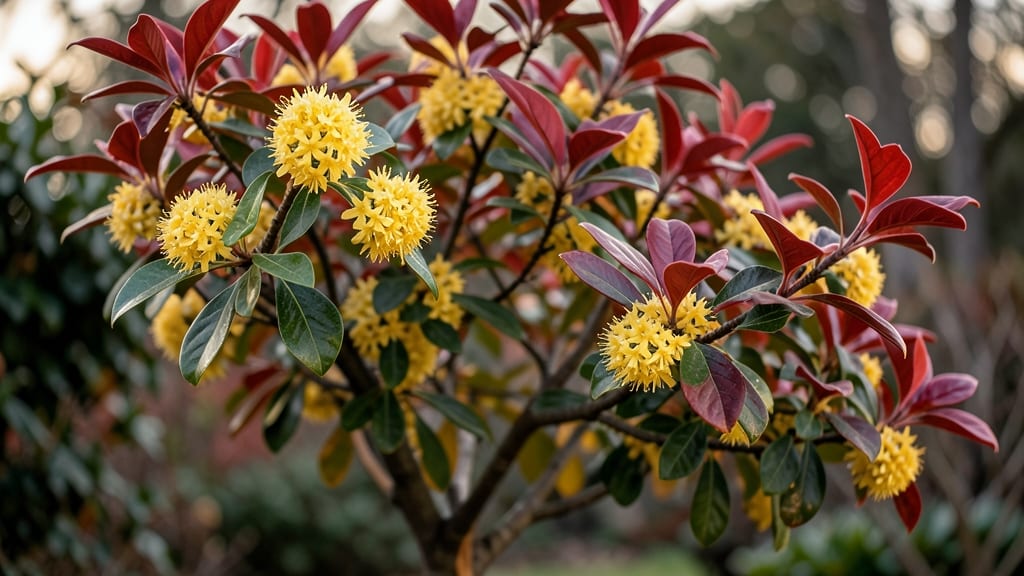
If you love the idea of a shrub that delivers visual interest in every season while supporting local wildlife, spicebush is your perfect match. This underrated native shrub starts the year with fragrant, yellow spring flowers that catch the eye, then transforms into a fiery red foliage display in fall—all while providing food for the spicebush swallowtail butterfly, a rare and beautiful native species.
Spicebush thrives in partial shade to full sun and tolerates a wide range of soil types, including clay and sandy soils common in South Carolina. Its glossy, aromatic leaves add a sensory dimension to your garden, and the red berries that follow the flowers provide a winter food source for birds. Plant it as a specimen shrub, in shrub borders, or even as a natural privacy screen—its layered growth habit adds depth to any landscape.
This low-maintenance shrub is especially valuable for gardeners who want to support native pollinators without sacrificing beauty. Whether you're designing a wildlife-friendly garden or simply want a shrub that stays interesting year-round, spicebush delivers. 🌿
Oakleaf Hydrangea for Seasonal Color Changes
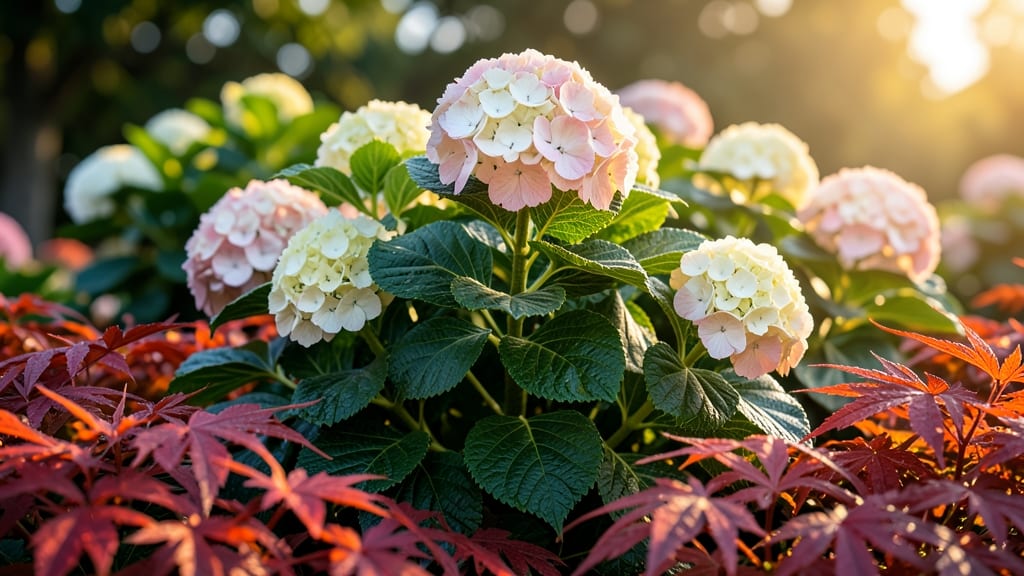
If you love shrubs that put on a show in every season, oakleaf hydrangea is your secret weapon. Unlike other hydrangeas that fade after summer, this beauty delivers three seasons of drama—white blooms that blush pink, lush green foliage, and fiery red leaves that steal the show in fall.
This hydrangea thrives in South Carolina’s heat and humidity, preferring partial shade to protect its leaves from scorching. Prune right after blooming to encourage next year’s flowers, and watch as its oak-shaped leaves add texture even when not in bloom. The blooms also attract pollinators, making it a dual-purpose plant.
Perfect for gardeners who want low-maintenance color without sacrificing drama, oakleaf hydrangea brings effortless elegance to borders, foundation plantings, or as a standalone specimen. 🌻
Dwarf Yaupon Holly for Evergreen Structure
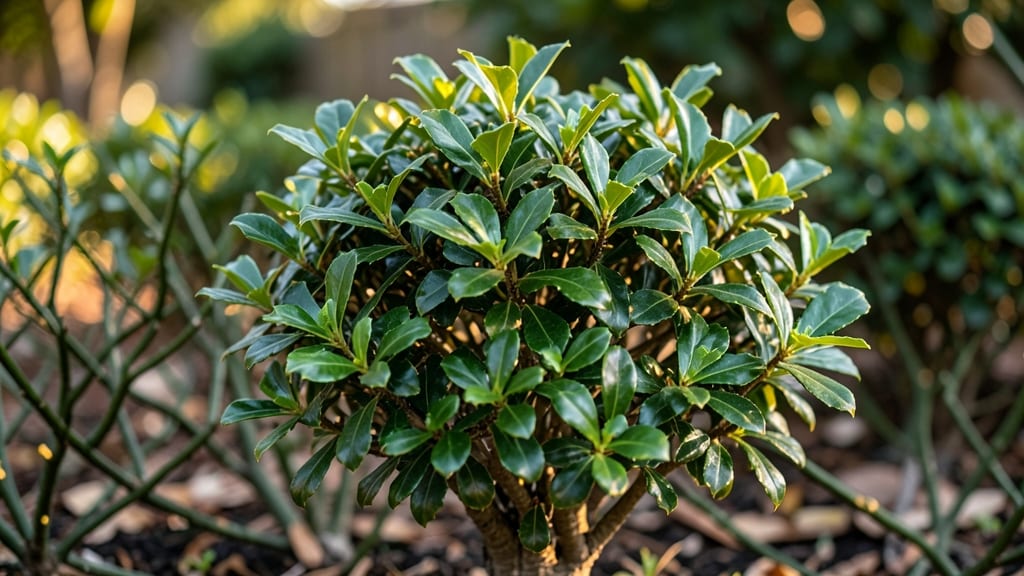
Looking for a low-maintenance shrub that delivers year-round greenery without taking over your space? The dwarf yaupon holly is your answer—this compact evergreen thrives in both sun and shade, making it perfect for small gardens, foundation plantings, or even containers.
Native to South Carolina, this holly stays under 3 feet tall and produces glossy, dark green leaves plus clusters of bright red berries that persist through winter, offering food for birds. It’s also drought-tolerant once established, reducing your watering workload while keeping your landscape lush. Prune lightly in late winter to maintain its neat shape.
Urban gardeners and beginners will love its adaptability—it handles everything from clay soil to sandy conditions, and its slow growth means fewer pruning chores. Add this holly to your garden for easy, evergreen structure that’s as tough as it is beautiful. 🌿
Buttonbush for Unique Flowers and Wetland Adaptability

If you're looking to transform a soggy corner of your yard into a wildlife magnet, buttonbush is your secret weapon. This native shrub thrives in moist, even wet soils—perfect for rain gardens, pond edges, or low-lying areas where other plants struggle.
Its distinctive spherical white flowers (blooming June-August) resemble bottlebrushes and attract hummingbirds, bees, and butterflies. Plant in full sun to partial shade, and watch it grow 6-12 feet tall with an equal spread. The leathery leaves add texture year-round, while fall berries provide food for birds.
Ideal for eco-conscious gardeners, buttonbush requires minimal care once established—just avoid over-drying soil. Perfect for South Carolina's humid climate, it's a low-maintenance superstar for wetland gardens. 🌿