
Planting
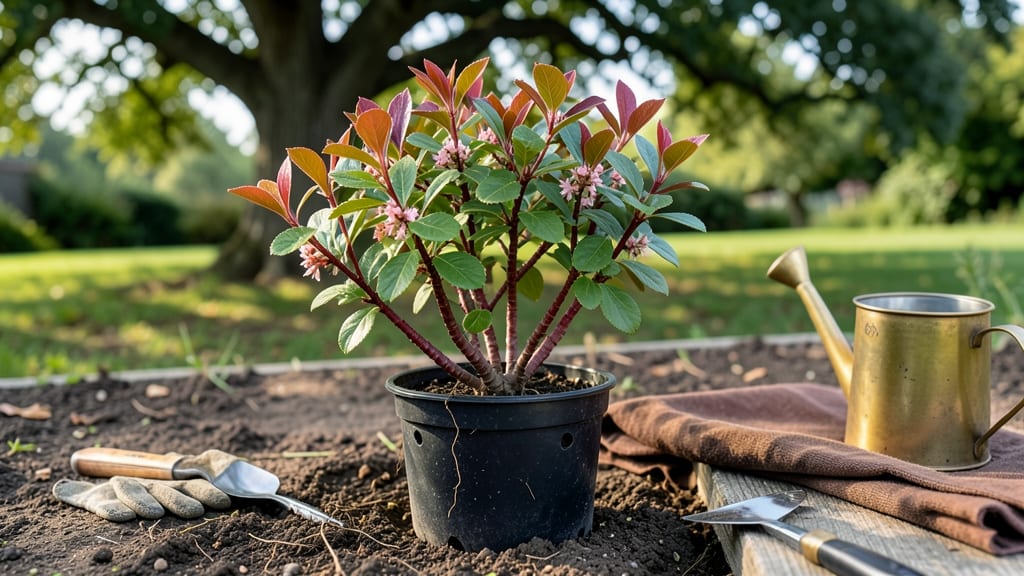
The best time to plant a burning bush 🌿 is early spring or fall, when soil temperatures are mild and frost risks are low — a window that makes all the difference between a thriving shrub and a struggling transplant.
If you’ve ever dreamed of a fiery autumn landscape but struggled with timing, planting a burning bush (Euonymus alatus) at the wrong time could mean years of disappointment. The key is getting it in the ground when roots can establish without racing against heat or cold.
For most gardeners in USDA Zones 5-8, that means late March or April for spring plantings or September for fall — but regional variations matter. Too early, and frost will damage tender roots; too late, and summer heat will stress the plant before it settles in.
Below, I’ll break down the exact months for your zone, soil prep secrets, and how to tell if your timing is perfect (or a recipe for failure).

Optimal planting months by USDA hardiness zones for burning bush success
Planting your burning bush (Euonymus alatus) at the right time ensures vibrant fall foliage and robust growth. The best time to plant depends on your USDA hardiness zone, soil temperatures, and seasonal risks like late frosts or extreme heat.
In cooler zones (5-6), aim for early spring planting after frost danger passes, while warmer zones (7-9) can plant in both spring and fall.
Your burning bush needs 4-6 weeks of warm soil and air temperatures to establish roots before dormancy. Planting too early risks frost damage, while late planting may stunt growth before winter. Let’s break down the ideal planting windows by zone to maximize your shrub’s potential.
| USDA Zone | Best Planting Month | Soil Temp Threshold | Seasonal Risks | Soil Prep Tip |
|---|---|---|---|---|
| Zones 3-4 | Late April-May | 50°F+ | Late frost | Add compost for warmth |
| Zones 5-6 | April-May or Sept | 55°F+ | Late frost or drought | Test soil pH (6.0-7.0) |
| Zones 7-8 | March-April or Oct | 60°F+ | Extreme heat | Mulch heavily |
| Zones 9-10 | Nov-Dec or Jan | 65°F+ | None (mild winters) | Water deeply post-plant |
In USDA Zones 3-4, your burning bush thrives when planted in late April or May after the last frost. Soil temperatures must reach at least 50°F to prevent root shock. Use compost-rich soil to retain warmth and protect young roots from late frosts.
For Zones 5-6, both spring (April-May) and fall (September) work well. Aim for soil temperatures above 55°F in spring and plant 4-6 weeks before frost in fall. Test your soil’s pH (6.0-7.0) and amend with lime or sulfur if needed.
Warmer zones (7-8) offer flexibility with March-April or October planting. Soil should be 60°F+ to avoid heat stress. Mulch with 3-4 inches of organic mulch to retain moisture and regulate soil temperature.
In Zones 9-10, plant during cooler months (November-December) or January to avoid summer heat. These zones have mild winters, so water deeply after planting to encourage root growth before dormancy.
Always avoid planting during extreme heat or frost periods. If your zone has unpredictable weather, opt for container planting to adjust timing. Water deeply after planting and keep soil consistently moist for the first 6-8 weeks.
Pro tip: Use a soil thermometer to check temperatures before planting. Ideal soil temps for root establishment are 60-70°F. This simple tool prevents costly mistakes and ensures your burning bush gets off to a strong start.
Remember, the best time to plant isn’t just about the calendar—it’s about soil conditions, weather patterns, and seasonal risks. Plan ahead, and your burning bush will reward you with stunning fall color for years to come. 🌿
Signs your burning bush planting timing is perfect (or terrible)
Planting your burning bush (Euonymus alatus) at the right time sets the stage for vibrant fall foliage and healthy growth. But how do you know if you've timed it just right?
The answer lies in subtle cues from the plant, soil, and even the weather. I've learned that ignoring these signs can lead to stunted growth or even pest problems down the road.
First, check the soil temperature—it should be consistently above 50°F (10°C) for at least a week before planting. Cold soil slows root development, leaving your shrub vulnerable to stress.
I always test with a soil thermometer to avoid guessing. Another key indicator is the leaf color of nursery plants—healthy, deep green leaves mean they're ready for transplanting.
⚠️ WARNING: Planting Too Early or Late Can Ruin Your Burning Bush ⚠️
⚠️ Planting Too Late: Limited time for root growth before dormancy, leading to weak plants. Signs: Poor color development, susceptibility to pests, or slow spring recovery.
⚠️ Ideal Window: 4-6 weeks before first frost (fall) or after last frost (spring). For USDA Zone 5-8, this means March-April (spring) or September-October (fall).
Pay attention to root growth stages—healthy roots should be white or light tan, not dark or mushy. If you see dark, slimy roots, the plant was likely sitting too long in cold, wet soil. I once planted a burning bush in late May, and the roots were still struggling by summer—it took two years to recover that lost growth.
Watch for new leaf emergence after transplanting. If your plant flushes with fresh, bright green leaves within 2-3 weeks, it's thriving. Slow or no new growth? That's a red flag for poor timing.
I also keep an eye out for aphids or spider mites, which are more likely to infest stressed plants planted at the wrong time.
Finally, consider your local microclimate. Low-lying areas with frost pockets are risky for fall planting, while south-facing slopes warm up faster in spring.
I once planted a burning bush in a frost pocket, and it took three years to reach the height of one planted just 50 feet away on a sunny slope. Location matters just as much as timing!
By mastering these signs, you'll give your burning bush the best chance to thrive. The difference between a vibrant, healthy shrub and a struggling one often comes down to these simple checks. Trust the plant's signals—it's telling you exactly what it needs! 🌿