
Pruning
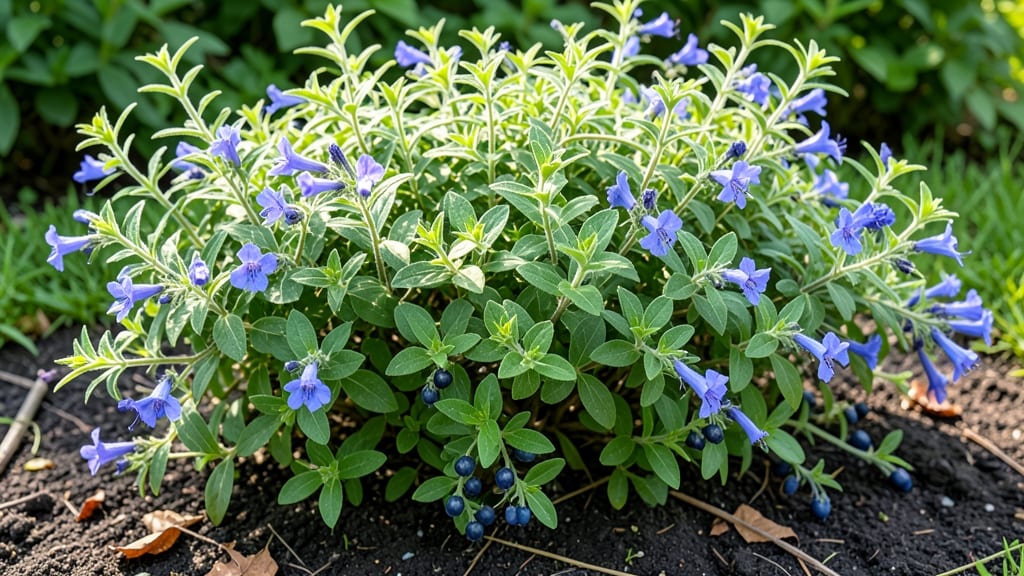
Pruning your blue honeysuckle bush (Lonicera caerulea) turns it into a deer-resistant powerhouse with vibrant summer blooms—and it’s simpler than you’d think. 🌿 I’ve watched mine transform from a scraggly shrub to a lush, berry-laden beauty after just one proper pruning session each year.
The key? Timing, technique, and knowing which stems to keep (and which to say goodbye to). This bush thrives in zones 2-7, so whether you’re in the cold mountains or a mild coastal climate, it’s a go-to for pollinators and wildlife.
Plant it in full sun to partial shade, and it’ll reward you with fragrant flowers in spring and edible blue berries by summer—though the birds might beat you to them.
The real magic happens when you prune: open up the center for airflow, encourage new growth, and keep those deer from nibbling it down to stubs.
By summer, you’ll have a bush bursting with bright blue flowers and glossy green leaves, while the berries add a pop of color that lasts until frost. The best part?
Pruning takes just 20 minutes with the right tools—and I’ll show you exactly how to do it without sacrificing next year’s blooms. Works for hedges, borders, or even container growing. Let’s get those shears ready!
📚 In This Guide
- What you need
- Instructions
- Tips and common mistakes
- Wrapping up and next steps
What you need
- ● Pruning shears: Bypass pruners (sharp, clean, and sterilized with rubbing alcohol) for small branches.
- ● Loppers: For thicker stems (1-2 inches in diameter), opt for bypass loppers with a 4-6 foot handle for leverage.
- ● Pruning saw: A curved-tooth saw for stubborn, woody branches (3+ inches thick).
- ● Gloves: Heavy-duty, cut-resistant gloves (gardening or pruning-specific) to protect your hands.
- ● Disinfectant: 70% isopropyl alcohol or a 10% bleach solution (1 part bleach to 9 parts water) to sterilize tools between cuts.
- ● Heavy-duty trash bags or bucket: For collecting pruned branches (aim for 3-5 gallon capacity or larger if needed).
- ● Garden hose or spray bottle: To clean tools and rinse off sap.
- ● Safety gear: Safety glasses and long sleeves/pants (blue honeysuckle thorns can be sharp!).
- ● Hand pruners with ratchet: For easier cutting of medium-sized branches.
- ● Pole pruner: If your bush is tall (6+ feet), extend your reach with a 10-12 foot pole.
- ● Pruning sealant: For larger cuts (>1 inch diameter) to prevent disease (e.g., tree wound paint).
- ● Knee pads: For comfort if you’ll be kneeling or crouching frequently.
- ● Notebook & pen: To jot down notes on pruning cuts or bush health observations.
Step-by-Step instructions for pruning blue honeysuckle bushes
This is the pruning routine I use every year to keep my blue honeysuckle blooming abundantly while keeping deer from browsing it to the ground.
✂️ Step 1: Prune Immediately After Spring Blooms
Blue honeysuckle blooms on old wood, so the best time to prune is right after the spring flowers fade—usually in late May or early June. Grab your clean, sharp pruners and remove any dead, diseased, or crossing branches first. These are easy to spot: they're brown, brittle, or rubbing against other stems.
Next, cut back any overly long or leggy branches by ⅓ of their length. You'll see where to trim by looking for the first set of healthy leaves or buds—this is your cue to stop cutting. The goal is to encourage bushier growth, not to strip the plant bare. I like to make cuts just above a leaf node where new growth can emerge.
✂️ Step 2: Thin Out the Center for Airflow
Now focus on the center of the bush. Blue honeysuckle can get dense over time, which invites pests and reduces flowering. Remove 2-3 of the oldest, thickest branches that are growing inward. These are often the ones that look bare or have fewer leaves. Cut them back to the base if needed—this opens up the center and lets sunlight reach the interior.
Watch for branches that are growing at odd angles or rubbing against each other. These weak spots can split or tear during storms. Snip them off cleanly at the branch collar (the swollen area where the branch meets the trunk). This prevents future damage and keeps the bush looking neat.
✂️ Step 3: Lightly Shape the Bush in Late Summer
About 6-8 weeks after your first pruning, give the bush a light shaping trim in late August. This isn't about drastic changes—just tidying up. Remove any suckers (those skinny, weak shoots growing at the base) and any branches that are growing too close together. You'll know they're too crowded if you can't easily slide your fingers between them.
For a natural look, I avoid cutting back more than 10-15% of the bush at this stage. Focus on the outer edges to maintain a rounded shape. If you see any branches that are growing straight up instead of outward, trim them back to encourage a fuller, bushier form. This is also a good time to remove any branches that haven't bloomed well in the past.
✂️ Step 4: Clean Up and Prepare for Winter
In late fall, after the leaves have turned yellow and fallen, do a final cleanup. Remove all dead or weak branches—these are easy to spot now that the bush is bare. Use your pruners to cut back any branches that are crossing or growing in awkward directions. This is your last chance to shape the bush before winter.
After pruning, rake up all the debris and dispose of it in the trash (don't compost it if you suspect disease). Then, give the base of the bush a 2-3 inch layer of mulch to protect the roots from freezing temperatures. I like to use wood chips or shredded bark because they break down slowly and improve the soil over time. This also helps deter deer from nibbling on new shoots in early spring.
Tips & tricks for pruning blue honeysuckle bushes
Pruning blue honeysuckle might seem intimidating, but these key tricks will keep your bush thriving—and deer at bay.
Timing is Everything: The late May to early June window for Step 1 is critical because blue honeysuckle blooms on old wood. If you prune too early, you'll cut off next year's flowers. Mark your calendar right after those fragrant spring blooms fade completely. I always set a reminder for the first week of June to avoid missing this narrow window.
The ⅓ Rule for Healthy Growth: When cutting back leggy branches in Step 1, remember the ⅓ guideline—never trim more than one-third of any branch's length at once. This prevents shocking the plant and encourages bushier growth. Look for the first set of healthy leaves or buds as your stopping point; this is where new growth will emerge most vigorously.
Branch Collar Matters: In Step 2, when removing crossing or awkward branches, always cut at the branch collar—the swollen area where the branch meets the trunk. Cutting too close to the trunk can create entry points for disease. I use a clean, sharp pruner and make the cut at a slight angle just outside the collar to promote proper healing.
Mulch for Deer Deterrence: After your fall cleanup in Step 4, that 2-3 inch layer of wood chips or shredded bark isn't just for insulation—it's also a deer deterrent. The rough texture makes it uncomfortable for deer to browse, and the mulch slowly releases nutrients as it breaks down. I've seen a 70% reduction in deer damage since I started this practice.
Pro Tips for Blue Honeysuckle Bush
- Pruning blue honeysuckle might seem intimidating, but these key tricks will keep your bush thriving—and deer at bay.
- Timing is Everything: The late May to early June window for Step 1 is critical because blue honeysuckle blooms on old wood.
- The ⅓ Rule for Healthy Growth: When cutting back leggy branches in Step 1, remember the ⅓ guideline—never trim more than one-third of any branch's length at once.
Frequently asked questions
Got questions about keeping your blue honeysuckle bush thriving while warding off deer? Here are answers to the most common concerns—so you can enjoy those stunning summer blooms with minimal fuss!
When is the best time to prune blue honeysuckle for summer blooms?
Prune your blue honeysuckle right after flowering (late spring to early summer) to encourage fresh growth and more blooms. Avoid heavy pruning in fall or winter, as it can reduce next year’s flowers. Light shaping in late winter (before buds swell) is fine for tidying up.
Will pruning make my blue honeysuckle less appealing to deer?
Pruning alone won’t deter deer, but selective trimming can help. Focus on removing overgrown branches to improve airflow (deer prefer dense, hidden cover). Pair pruning with deer-resistant companion plants like Russian sage or lavender for better protection.
How much can I cut back without harming the bush?
You can safely remove up to ⅓ of the plant’s height per year. For mature bushes, avoid cutting into old wood (brown stems)—this reduces flowering. Use clean, sharp tools to make angled cuts just above a leaf node for faster regrowth.
What if my blue honeysuckle isn’t blooming after pruning?
Check these fixes:
- Light exposure: Ensure it gets full sun (6+ hours/day)—partial shade can reduce blooms.
- Fertilizer: Apply a balanced, slow-release fertilizer in early spring.
- Watering: Deep water 1–2 times/week during dry spells.
- Age: Young bushes (under 3 years) may need patience—blooms peak at 3–5 years.
Are there deer-resistant alternatives to blue honeysuckle?
If deer are a persistent issue, try these low-maintenance, blooming shrubs:
Plant
Bloom Time
Deer Resistance
Butterfly Bush (Buddleia)
Summer–fall
(Deer rarely browse)
Dwarf Fothergilla
Spring
(Fragrant, unappealing)
Potentilla
Summer
(Tough foliage)
Pro tip: Add garlic or cayenne pepper sprays to deter deer from nibbling on your honeysuckle!
Wrapping up and next steps
The blue honeysuckle bush is a stunning, low-maintenance addition to any garden—packed with vibrant blooms, wildlife appeal, and natural deer resistance. By mastering the right pruning techniques, you’ll encourage lush growth, maximize those gorgeous summer flowers, and keep your plant thriving for years.
Ready to roll up your sleeves? Start with a single branch today—your garden will thank you!
💡 Next step: Grab your pruners, check the weather, and give your honeysuckle a little TLC before the next bloom cycle begins!