
Pruning
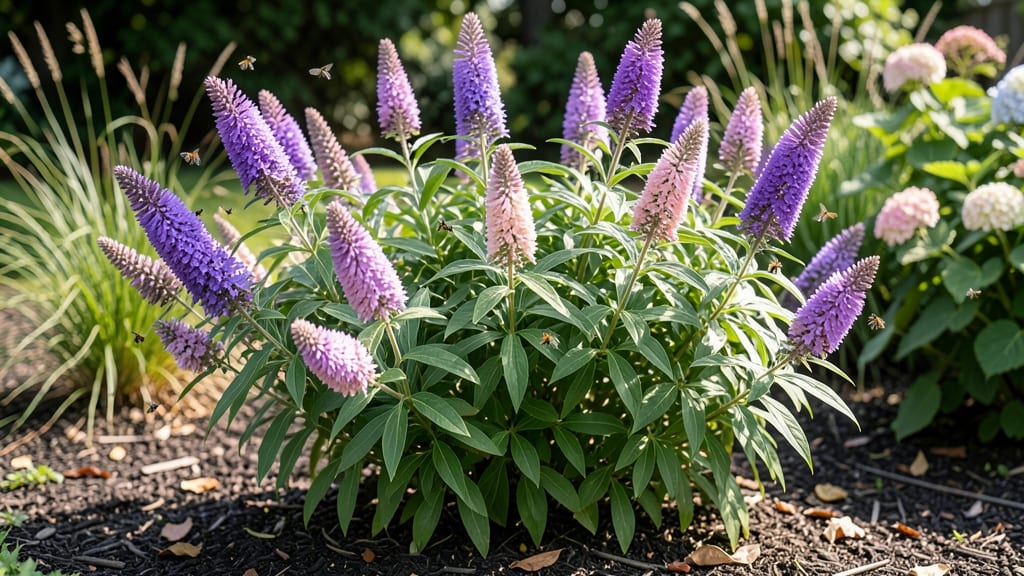
Your garden just got a pollinator powerhouse with multi-colored butterfly bush—those cascading blooms in lavender, pink, and white aren’t just pretty, they’re a year-round magnet for butterflies, hummingbirds, and bees. 🌸 I planted mine last spring, and by summer, it was teeming with life while other shrubs stood bare.
This isn’t just another shrub—it’s a low-maintenance superstar that thrives in full sun, handles drought once established, and keeps blooming from early summer through frost. The secret? Pruning it right after flowering to encourage fresh growth, while still leaving enough stems for winter interest.
You’ll end up with a living tapestry of color that transforms any border or focal point into a buzzing, fluttering spectacle. Pair it with coneflowers or black-eyed Susans for a pollinator buffet, or let it stand alone as a dramatic centerpiece that never fades from the scene.
Works as a privacy screen, a pollinator hedge, or a container showstopper—just give it room to spread (6-10 feet wide) and watch your garden become a wildlife hotspot. No fussy care, just effortless beauty that keeps giving all season.
📚 In This Guide
- What you need
- Instructions
- Tips and common mistakes
- Wrapping up and next steps
What you need
- ● Multi-colored butterfly bush (Buddleia spp.) – Choose a variety like ‘Lo & Behold® Purple Haze’ or ‘Attraction®’ for vibrant blooms (1-3 plants per garden bed, depending on size).
- ● Well-draining soil – Amend heavy clay with compost or sand (aim for a pH of 6.0–7.5).
- ● Organic mulch – 2–3 inches of shredded bark or pine needles to retain moisture and suppress weeds.
- ● Balanced fertilizer – 10-10-10 or slow-release granules (apply in early spring).
- ● Pruning shears – Sharp, bypass-pruners (for clean cuts and disease prevention).
- ● Gloves & long sleeves – Protect against thorns (some varieties have them!).
- ● Garden trowel – For planting or dividing roots.
- ● Watering can or hose with nozzle – Deep water 1–2 times per week (drought-tolerant once established!).
- ○ Stakes or cages – Optional for young plants in windy areas.
- ● Pollinator-friendly companion plants – Like coneflowers or salvia (plant within 3–5 feet to attract butterflies!).
- ○ Plant support spray – Optional for large varieties to prevent flopping.
Step-by-step guide to planting and caring for a multi-colored butterfly bush
This stunning pollinator magnet thrives with the right placement and care—here’s how to set it up for years of vibrant blooms.
🌱 Step 1: Choose the Perfect Planting Location
Butterfly bushes demand full sun—at least 6-8 hours of direct sunlight daily—to produce their signature vibrant blooms. I always scout the site first, checking for morning sun exposure to prevent afternoon leaf scorch in hot climates. The soil should drain well; if your yard holds water, amend with 2-3 inches of compost mixed into the top 12 inches of soil.
Dig a hole twice as wide as the root ball but only as deep as the container’s root level. Loosen the roots gently if they’re circling—this encourages outward growth. Place the plant so the top of the root ball sits just below soil level, which prevents rot while allowing the stem to thicken over time.
💧 Step 2: Water Deeply and Mulch for Retention
After planting, water deeply—about 1 gallon per week—until the soil is 6 inches down moist. You’ll know it’s right when the top 2 inches feel damp but not soggy. Overwatering here leads to root rot, so let the top 1 inch dry out between waterings once established.
Spread 2-3 inches of mulch (wood chips or shredded bark) around the base, keeping it 3 inches away from the stem. This conserves moisture, regulates soil temperature, and suppresses weeds. Replenish mulch annually—it breaks down faster than you’d think.
☀️ Step 3: Prune Strategically for Year-Round Blooms
Prune late winter or early spring (before new growth starts) to shape the bush and encourage dense flowering. Cut back one-third of the oldest stems to the ground—this removes woody growth and stimulates fresh, vibrant blooms. For a fuller look, trim just above a leaf node where new growth will emerge.
Deadhead spent blooms throughout the season to prolong flowering. I use clean, sharp pruners to snip just above the next set of leaves. Avoid heavy pruning in fall—this can leave the plant vulnerable to winter dieback in colder climates.
🪴 Step 4: Fertilize for Lush Growth and Vibrant Color
Apply a balanced, slow-release fertilizer (10-10-10) in early spring when new shoots appear. Follow label instructions—over-fertilizing leads to lush foliage but fewer blooms. I also top-dress with 1 inch of compost in late spring to feed the roots gradually.
Butterfly bushes are forgiving, but yellowing leaves often signal over-fertilizing. If this happens, flush the soil with water and reduce applications. For established plants, a light feeding in midsummer keeps energy up for fall blooms.
✂️ Step 5: Encourage Pollinators and Maintain Health
Leave some spent blooms on the plant—butterflies and bees love the seed heads, and they’ll return year after year. I also avoid pesticides; butterfly bushes attract beneficial insects that keep pests in check naturally.
Watch for aphids or spider mites on new growth. A strong spray of water usually dislodges them, but severe infestations may need neem oil applied in the evening to avoid harming pollinators. Healthy plants rarely struggle, so focus on sun, water, and pruning—the rest follows naturally.
Tips & tricks for perfect multi-colored butterfly bush planting
Common pitfalls—and how to sidestep every one—when planting your vibrant pollinator magnet.
Sunlight Strategy: That 6-8 hours of full sun requirement isn't just about quantity—it's about quality. I've seen butterfly bushes struggle in spots where they got morning sun but were shaded in the afternoon. If your yard has afternoon shade, consider placing the plant where it gets morning sun exposure and minimal afternoon filtering. The key is to avoid the intense afternoon heat that can scorch leaves while still getting plenty of light for those vibrant blooms.
Soil Prep Secret: The instructions mention amending with 2-3 inches of compost, but here's what nobody tells you—test your soil first. If your soil is already rich, you might only need 1-2 inches. I use a simple soil test kit to check pH and nutrient levels before planting. Butterfly bushes prefer slightly acidic to neutral soil (pH 6.0-7.0). If your soil is too alkaline, mix in some peat moss with that compost to adjust the pH naturally.
Planting Depth: Placing the root ball just below soil level might seem counterintuitive, but this is actually a game-changer. The top of the root ball should be about 1 inch below finished grade. This prevents the stem from rotting while allowing the roots to establish properly. I've seen many gardeners plant too deep, which can suffocate the plant and lead to poor growth. Mark the depth on your container before planting as a visual guide.
Watering Wisdom: The 1 gallon per week guideline is perfect for established plants, but new plantings need more attention. After planting, water deeply every 2-3 days for the first 2 weeks to help the roots establish. You'll know you're doing it right when the soil stays consistently moist 6 inches down. Use a moisture meter or stick your finger in the soil—it should feel like a well-wrung sponge. Overwatering is the #1 killer of butterfly bushes, so always let the top inch dry out between waterings once established.
Pro Tips for Multi Colored Butterfly Bush
- Common pitfalls—and how to sidestep every one—when planting your vibrant pollinator magnet.
- Sunlight Strategy: That 6-8 hours of full sun requirement isn't just about quantity—it's about quality.
- Soil Prep Secret: The instructions mention amending with 2-3 inches of compost, but here's what nobody tells you—test your soil first.
Frequently asked questions
Got questions about growing and maintaining your multi-colored butterfly bush? You’re not alone! Here are some of the most common queries—plus quick, actionable answers to keep your pollinator paradise thriving.
How do I prune a multi-colored butterfly bush for maximum blooms?
Prune your butterfly bush right after flowering (late summer/early fall) to encourage fresh growth and next year’s blooms. Cut back 1/3 of the oldest stems to the ground, and trim any dead or leggy branches. Never prune in spring—you’ll miss the current season’s flowers!
When is the best time to plant a butterfly bush?
Plant your butterfly bush in early spring or fall when soil temps are mild (50–70°F). Avoid extreme heat or frost, which can stress young roots. Choose a sunny spot (6+ hours of light) with well-draining soil. Pro tip: Water deeply after planting to help roots establish!
Why aren’t butterflies visiting my butterfly bush?
Butterflies love nectar-rich flowers, so check these fixes:
- Timing: Blooms peak in summer; plant nearby perennials (like milkweed or coneflowers) for year-round action.
- Pesticides: Avoid chemicals—opt for neem oil or insecticidal soap if pests appear.
- Location: Ensure it’s near sunny, sheltered areas (butterflies avoid wind!).
Is a butterfly bush drought-tolerant once established?
Yes! Once rooted (after 1–2 years), butterfly bushes handle drought surprisingly well. However, young plants need regular watering (1–2 inches per week). During heatwaves, mulch around the base to retain moisture. Overwatering is worse—yellow leaves signal soggy roots!
What are some alternatives to butterfly bush?
If you want butterfly-friendly, low-maintenance plants, try these:
- Butterfly Weed (Asclepias tuberosa): Native, drought-proof, and a caterpillar magnet (especially monarchs).
- Joe Pye Weed (Eutrochium): Tall, pink blooms that attract swallowtails and bees.
- Russian Sage (Perovskia atriplicifolia): Silvery foliage + lavender spikes = all-season interest.
- Coneflowers (Echinacea): Tough perennials with pollinator-proof appeal.
Wrapping up and next steps
The multi-colored butterfly bush isn’t just a stunning addition to your garden—it’s a low-maintenance powerhouse that rewards you with year-round beauty and buzzing pollinator activity. Whether you’re trimming for shape, health, or blooms, remember: timing and technique make all the difference.
With the right tools and a little patience, you’ll keep your bush thriving and bursting with color season after season!
Ready to level up your garden game? 🌿 Start by bookingmarking this guide and planning your next pruning session—your butterfly bush (and local pollinators!) will thank you. Happy gardening! 🦋✨