
Pruning
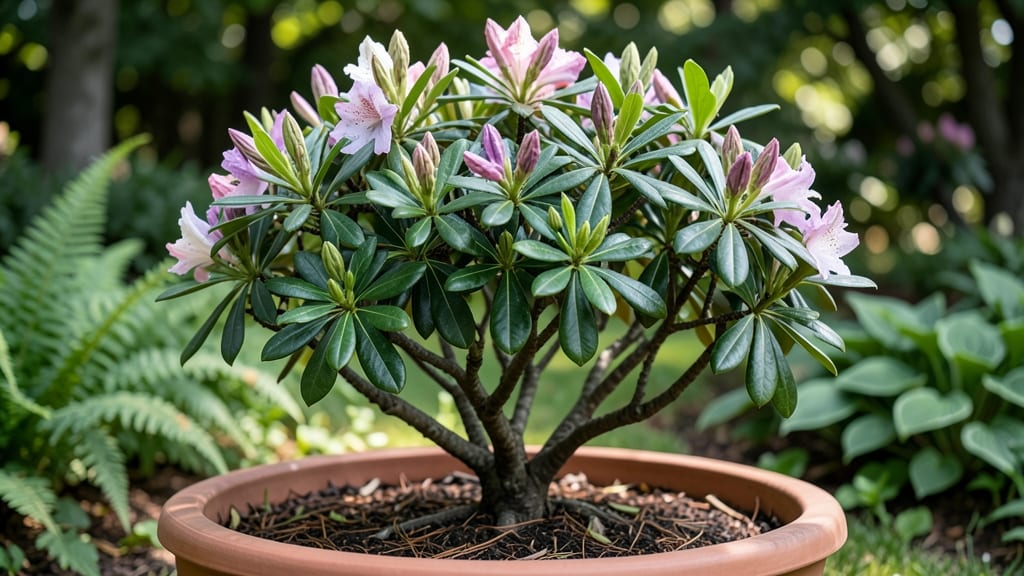
Your azalea bush leaf problems—yellowing, spots, or wilting—could be fixed with three targeted cuts this spring. 🌿 I’ve seen azaleas go from sad and spotty to vibrant in just 6 weeks after pruning the right way, and it’s not as scary as it sounds.
The key is identifying which leaves need attention and why, then cutting with purpose instead of hacking randomly.
Most leaf issues stem from fungal diseases (like powdery mildew), pest damage (lace bugs love azalea leaves), or nutrient deficiencies—all of which pruning can help manage. Start by removing any leaves with holes, yellow patches, or black spots, as these are often signs of pests or disease.
Those 3 precision cuts aren’t just about shaping; they’re about giving your bush room to breathe and focus energy on new, healthy growth.
What you’ll end up with is a bush that’s less stressed, more resistant to pests, and packed with next year’s flower buds. The best part?
You’ll notice fewer brown spots and more glossy green leaves within 2-3 weeks of pruning, and the blooms that follow will be bigger and brighter than ever. This works for both evergreen and deciduous azaleas, so don’t skip it—your bush will thank you.
For stubborn issues like lace bugs or fungal spots, pair pruning with neem oil sprays or copper fungicides—but the cuts themselves do half the work by improving airflow. Think of it as a reset button for your azalea’s leaves. Ready to revive those blooms?
Root Causes Of Leaf Stress
Azalea bushes are prized for their vibrant blooms and lush foliage, but when leaves start looking off—yellowing, curling, wilting, or dropping—it’s often a cry for help from the plant. Understanding the why behind these symptoms is the first step to restoring your bush’s health.
Below, we break down the most common culprits, backed by science, so you can diagnose and act with confidence.
Azaleas thrive in cool, acidic soils and are sensitive to sudden temperature swings. When nights dip below freezing or days spike above 90°F (32°C), leaves react with:
- Brown or blackened edges (cold damage)
- Scorched or crispy textures (heat stress)
- Premature leaf drop (plant’s survival response)
Why it happens: Azaleas are native to temperate forests, where temperatures remain moderate. Extreme heat disrupts chlorophyll production, while cold causes cell membrane damage in leaves. Pro tip: 🌡️ Mulch with 3–4 inches of organic matter (like pine bark) to insulate roots and buffer temperature swings.
Azaleas hate soggy roots. While they love moisture, waterlogged soil leads to:
- Yellowing leaves (chlorosis from oxygen deprivation)
- Mushy stems (root rot from Phytophthora fungi)
- Wilting despite wet soil (roots can’t absorb water)
Why it happens: Azalea roots need well-aerated, acidic soil (pH 4.5–6.0). Overwatering or clay-heavy soil suffocates roots, blocking nutrient uptake. Science alert: Roots rely on mycorrhizal fungi for nutrient exchange—these die in waterlogged conditions. Fix it: 💡 Amend soil with perlite or sand and water only when the top 1–2 inches of soil are dry.
Leaf spots, powdery mildew, or oily patches? Your azalea might be battling pathogens. Common offenders include:
- Azalea leaf gall (Exobasidium fungus) → White, fuzzy growths on leaves
- Powdery mildew (Podosphaera) → White, dusty coating
- Bacterial leaf spot (Pseudomonas) → Water-soaked brown spots
Why it happens: Fungi and bacteria thrive in humid, stagnant conditions. Overhead watering or dense foliage traps moisture, creating the perfect breeding ground. Key trigger: Wounded leaves (from pruning or pests) are entry points. Prevent it: ⏰ Water at the base in the morning and prune for airflow (remove 1/3 of dense growth).
Next steps: If you’ve spotted any of these issues, identify the exact problem before treating—misdiagnosis can worsen damage. For example, fungicides won’t help bacterial infections, and vice versa!
Quick Fixes for Leaf Problems
Reviving your azalea bush starts with addressing the root of the issue—literally and figuratively. Whether your leaves are yellowing, wilting, or dropping prematurely, targeted solutions can bring your shrub back to vibrant health.
Below are practical, step-by-step fixes tailored to common leaf issues, along with prevention tips to keep your azalea thriving.
Yellowing leaves often signal nutrient deficiencies, overwatering, or fungal issues. Here’s how to diagnose and treat:
🔥 Check Soil & Watering Habits
- Overwatering? Let the top 1–2 inches of soil dry out between waterings. Azaleas hate soggy roots! Use a moisture meter or stick your finger in the soil to test.
- Underwatering? Water deeply until moisture drains from the bottom, then reduce frequency.
Mulch around the base to retain moisture.
🌱 Boost Nutrients with Acidic Fertilizer
Azaleas thrive in acidic soil (pH 4.5–6.0). If yellowing persists:
- Test your soil with a pH kit (available at garden centers).
- Apply an acid-loving plant fertilizer (like 8-3-9 or 10-10-10 with sulfur) in early spring or fall.
- Add organic matter: Mix in pine needles, peat moss, or composted leaves to lower pH naturally.
🍄 Treat Fungal Infections Yellowing with dark spots or powdery residue?
Fungal issues like leaf spot or rust may be to blame. - Prune infected leaves immediately with sterilized shears (wipe with rubbing alcohol between cuts). - Apply fungicide: Use a copper-based or neem oil spray (follow label instructions). Spray early in the morning to avoid burning leaves in sunlight.
💡 Prevention Tip: Space plants for good airflow (3–4 feet apart) and avoid overhead watering to keep leaves dry.
Wilting or sudden leaf drop often means stress from heat, pests, or root damage. Act fast with these fixes:
💦 Hydrate & Mulch Properly
- Deep watering: Soak the root zone (not just the surface) once or twice a week during dry spells.
- Mulch like a pro: Apply 2–3 inches of organic mulch (pine bark or shredded leaves) to retain moisture and regulate soil temperature.
🐜 Battle Pests with Natural Remedies
Common culprits: azalea lace bugs, spider mites, or scale insects.
- Blast off pests: Spray leaves with a strong stream of water to dislodge bugs.
- Neem oil or insecticidal soap: Mix 1 tsp neem oil + 1 tsp mild soap per quart of water.
Spray every 5–7 days until pests vanish. - Introduce beneficial insects: Ladybugs and lacewings devour azalea pests—buy them online or attract them with dill or fennel plants nearby.
🌡️ Shield from Extreme Heat
- Provide afternoon shade (especially in hot climates) with a lightweight shade cloth (30–50%).
- Mist leaves on scorching days to lower leaf temperature (do this in the early morning or evening).
✨ Pro Tip: If leaves are crispy or brown at the edges, it’s likely transpiration stress (too much sun + dry air). Group azaleas with other plants to create a microclimate with higher humidity.
Sometimes, selective pruning can revive a struggling azalea by improving airflow and redirecting energy.
🔪 When & How to Prune
- Best time: Right after blooming (late spring to early summer) to avoid cutting next year’s flower buds.
- Tools: Use clean, sharp pruners (sterilize with rubbing alcohol).
- Cuts to make:
- Remove dead/diseased branches (cut back to a healthy bud or branch).
- Thin out crowded stems (aim for an open vase shape).
- Trim leggy growth to encourage bushier blooms.
🎯 Prevention Tip: Prune lightly each year—never remove more than 1/3 of the plant in one season. Over-pruning stresses azaleas!
Once your azalea is back in shape, keep it happy with these maintenance must-dos: - Feed twice a year: Use an acidic, slow-release fertilizer in spring and fall. - Monitor soil pH: Test annually and amend with sulfur or peat moss if pH rises above 6.0. - Watch for early signs: Yellowing, spots, or wilting?
Act within 24–48 hours before issues spread.
💪 Remember: Azaleas are resilient—with the right care, they’ll bounce back stronger than ever. Start with the fixes above, and your bush will be bursting with blooms in no time!
Frequently asked questions about azalea bush leaves
Why are my azalea leaves turning yellow?
Yellowing azalea leaves usually signal nutrient deficiencies (like iron or nitrogen), overwatering, or fungal infections. Check soil pH first—azaleas need acidic soil (4.5–6.0). If the soil is soggy, reduce watering and improve drainage with perlite or sand. For yellowing with spots, prune affected leaves and apply neem oil to prevent spread.
What do lace bug damage spots look like on azalea leaves?
Lace bugs leave tiny white specks (their eggs) on the undersides of leaves and create brown, stippled patterns on top. Check leaf undersides with a magnifying glass—you’ll often see the bugs themselves scurrying away. Treat with insecticidal soap or neem oil, and blast leaves with water to dislodge adults.
Can I prune azalea leaves mid-season to fix problems?
Yes, but focus on removing only diseased or pest-infested leaves—never more than 1/3 of the plant at once. Prune in morning hours when leaves are dry to reduce stress. Sterilize your shears with rubbing alcohol between cuts to prevent spreading infections. Avoid heavy pruning mid-season, as it stresses the plant and can delay blooming.
How do I know if my azalea leaves have powdery mildew?
Powdery mildew appears as white, dusty patches on leaf surfaces, often starting on the undersides. The fungus thrives in humid conditions, so improve airflow by spacing plants 3–4 feet apart and avoiding overhead watering. Treat with baking soda spray (1 tsp baking soda + 1 quart water + drop of soap) or copper fungicide.
Will pruning help my azalea leaves recover from heat stress?
Pruning alone won’t reverse heat damage (like crispy brown edges), but it helps by reducing the plant’s stress load. Pair pruning with afternoon shade and morning misting to lower leaf temperatures. For severe cases, trim only the most damaged leaves and focus on deep watering to help roots recover.