
Shrubs
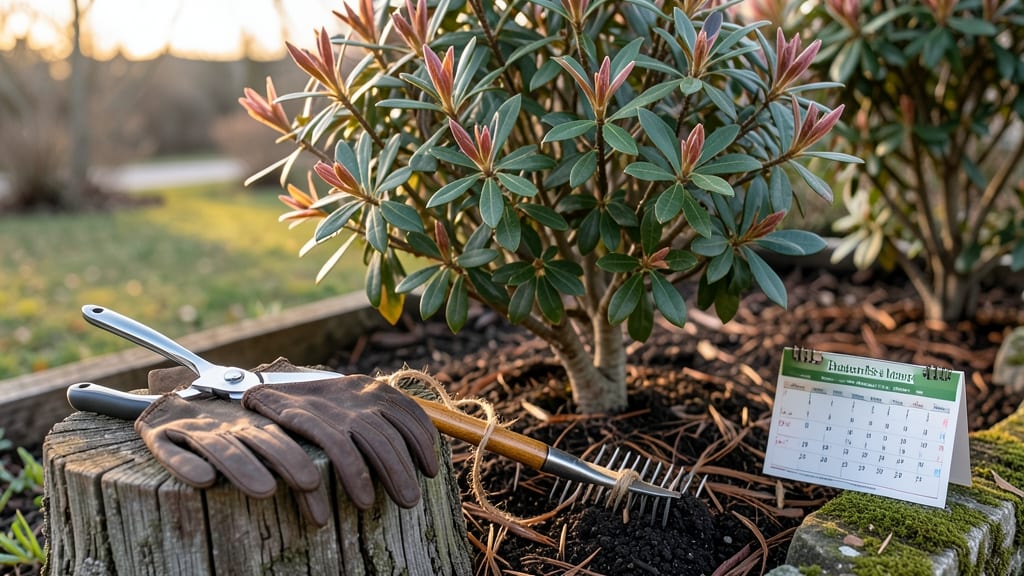
Cutting azalea bushes at the right time ensures vibrant spring blooms and healthy growth, but timing matters more than you might think.
Picture this: your 🌸 azaleas in USDA Zone 6a burst into color every spring, only to fizzle out the next year because you pruned them too early—or worse, in the fall.
That’s not just a missed show; it’s a lesson in how delicate these shrubs can be when you get the timing wrong.
The key is to prune azaleas right after they finish blooming in late spring—typically May or early June—when the flowers have faded but before new buds form.
This timing lets you shape the plant without sacrificing next year’s blossoms, and it’s the secret to keeping your azaleas thriving for decades.
In this guide, you’ll learn the exact window to prune, how to avoid common mistakes (like fall pruning), and the tools and techniques that make the job easier and more effective. Let’s get those bushes looking their best!
The best time to prune azaleas for spring blooms
Pruning azaleas at the right time is the secret to vibrant spring blooms and healthy growth. Most gardeners make the mistake of pruning in fall or winter, which can stimulate tender new growth that won’t survive frost. Instead, focus on late spring after flowering to encourage next year’s buds.
Azaleas bloom on old wood, meaning last year’s growth produces this year’s flowers. Cutting back too early removes next season’s flower buds. Timing your prune to 6-8 weeks after blooming gives your plant time to set buds for the following spring.
Here’s the key: Never prune azaleas in fall. This common mistake leads to winter dieback. Instead, wait until early summer when new growth has hardened off. For early-blooming varieties, this means pruning in June, while late-blooming types can wait until July.
| Azalea Type | Bloom Time | Prune Window | Why It Matters |
|---|---|---|---|
| Early Season | April-May | June-July | Prevents removing next year's buds |
| Mid Season | May-June | July-August | Allows full bloom cycle |
| Late Season | June-July | August-September | Encourages late-season bud formation |
For early-season azaleas that bloom in April or May, start pruning in June once flowers fade. This gives your plant 6-8 weeks to develop next year’s buds before winter. Use clean, sharp pruners to make cuts just above a leaf bud or branch junction.
If your azaleas bloom later in the season (June or July), wait until August or early September to prune. This timing ensures you don’t accidentally cut off next year’s flower buds, which form after blooming. Always prune on a dry, overcast day to reduce stress on the plant.
When pruning, aim to remove no more than 1/3 of the plant’s growth. Focus on dead, diseased, or crossing branches first. Thin out crowded areas to improve air circulation, which helps prevent powdery mildew and other fungal issues.
After pruning, apply a 2-3 inch layer of mulch around the base of the plant. This helps retain moisture and keeps roots cool. Water deeply to help the plant recover. Avoid fertilizing immediately after pruning—wait until late summer or early fall to feed for next year’s growth.
One common mistake is pruning azaleas too aggressively. Over-pruning can lead to reduced flowering and weak growth. Instead, take a light-handed approach, focusing on shaping and removing only what’s necessary. Azaleas respond best to minimal pruning when done correctly.
For overgrown azaleas, you can perform a rejuvenation prune in stages over 2-3 years. Cut back 1/3 of the oldest branches each year to encourage new growth. This method is best done in late summer to avoid disturbing next year’s flower buds.
Remember, patience is key when pruning azaleas. Rushing the process or pruning at the wrong time can set back your plant’s health and flowering potential. With the right timing and technique, your azaleas will reward you with lush foliage and stunning spring blooms for years to come. 🌸
Fall pruning mistakes that kill azalea growth
Fall is a tempting time to tidy up your garden, but when it comes to azaleas, fall pruning can actually stunt growth and reduce next year’s spring blooms.
These shrubs rely on a dormant period to prepare for winter, and cutting back too early sends mixed signals to the plant. The result? Tender new growth that freezes before winter’s end, leaving your azalea weak and woody.
Many gardeners make the mistake of pruning azaleas in late summer or early fall to "clean up" their appearance before the holidays. While this might look good in photos, it’s a recipe for disaster for your plant’s health.
Azaleas bloom on old wood, meaning their flowers form on branches that grew the previous season. Cutting back too early removes next year’s buds and blooms before they even have a chance to develop.
Here’s the hard truth: Fall pruning forces azaleas to produce new, tender growth that simply won’t harden off before winter. When temperatures drop, this vulnerable growth freezes, leaving your shrub with brown, dead branches and fewer flowers come spring.
Even worse, repeated fall pruning can stress the plant so much that it struggles to recover, leading to poor health and reduced vigor.
⚠️ When to Cut Azalea Bushes: The Critical Window
❌ Never prune in fall—this stimulates tender new growth that freezes in winter. Instead, wait until:
- ✅ Late spring (after blooms fade, around June)
- ✅ Early summer (before new buds form for next year)
💡 Pro Tip: If you must prune for shape, do it immediately after flowering to avoid sacrificing next year’s blooms.
Common signs you’ve over-pruned or pruned at the wrong time include bare branches, yellowing leaves, and stunted growth. If your azalea looks leggy or sparse after pruning, it’s likely a victim of fall pruning mistakes.
The plant may also produce fewer flowers the following spring because the buds were removed too early.
If you’ve already pruned your azalea in fall, don’t panic. Focus on feeding the plant with a balanced fertilizer in early spring to encourage recovery. Mulch around the base to protect roots from temperature swings, and water deeply to help it bounce back.
With proper care, your azalea can still rebound and bloom beautifully next season.
Remember, azaleas are patient plants. They thrive when given time to rest and prepare for winter. By avoiding fall pruning and sticking to the late spring window, you’ll ensure your azalea stays healthy, lush, and full of vibrant blooms for years to come. 🌸