
Shrubs
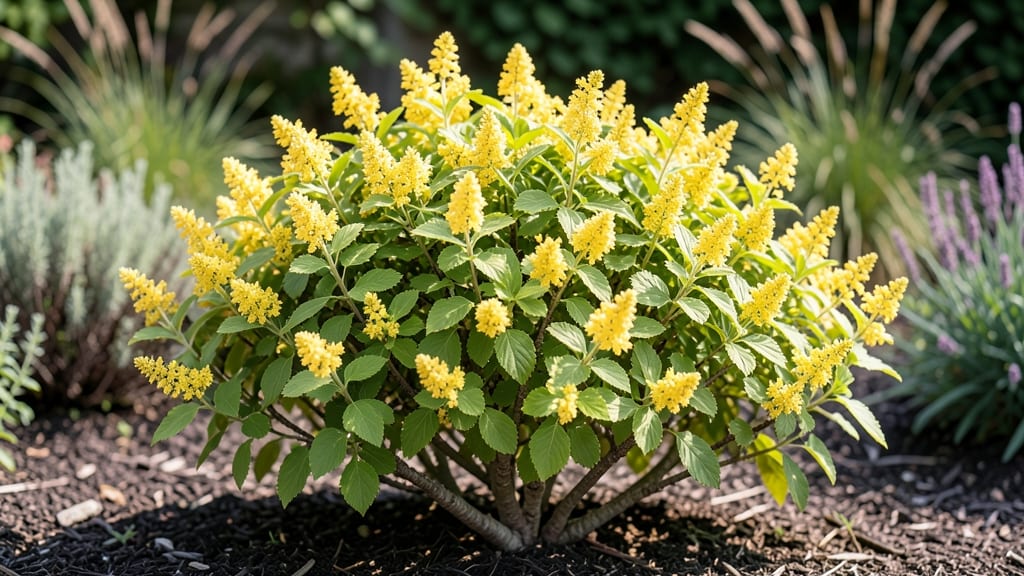
Growing a yellow spirea bush transforms your garden into a sunlit fragrant haven—its golden blooms dance through seasons with the right care. 🌼 I learned the hard way that pruning timing is everything; skip the schedule, and you’ll end up with leggy stems and sparse flowers.
The secret lies in a simple calendar that keeps your bush blooming from spring to fall. Start with well-draining soil and full sun, then follow the pruning rhythm: cut back by one-third right after flowering, and do a light shaping trim in late winter.
Water deeply once a week, and watch as those cascading yellow clusters multiply year after year. The fragrance alone makes it worth the effort—imagine strolling past a bush that smells like sunshine.
📚 In This Guide
- What you need
- Instructions
- Tips and common mistakes
- Wrapping up and next steps
What you need
- ● Yellow spirea plants: 1–3 nursery-grown shrubs (choose Spiraea japonica ‘Goldflame’ or ‘Anthony Waterer’ for vibrant yellow blooms).
- ● Well-draining potting mix: 10–15 gallons (for container gardening) or amend garden soil with 50% compost.
- ● Pruning shears: Sharp, bypass-type shears (sterilized with rubbing alcohol).
- ● Garden gloves: Heavy-duty, cut-resistant (to protect from thorns).
- ● Mulch: 2–3 inches of organic mulch (e.g., shredded bark) to retain moisture.
- ● Fertilizer: Balanced 10-10-10 granular fertilizer (1–2 lbs per shrub, spring/fall).
- ● Watering can or hose: With a gentle spray nozzle for post-planting hydration.
- ● Slow-release fertilizer tablets for containers.
- ● Plant stakes (for young shrubs in windy areas).
- ● Pruning sealant (to prevent disease after cuts).
- ● Soil pH test kit (ideal range: 6.0–7.0).
- ● Drip irrigation system (for automated watering).
Step-by-Step instructions for planting and pruning yellow spirea bushes
Here’s how to establish your bushes and keep them blooming beautifully all season long.
🌱 Step 1: Plant Yellow Spirea in the Right Spot
Yellow spirea thrives in full sun to partial shade—at least 6 hours of sunlight daily for best blooms. I dig a hole twice as wide and just as deep as the root ball to encourage root spread. The soil should drain well but retain moisture—amend heavy clay with compost if needed.
Place the bush so the top of the root ball sits 1 inch above ground level—this prevents rot from sitting water. Backfill with native soil mixed with compost, then water deeply to settle everything. Mulch around the base with 2-3 inches of organic mulch, keeping it 3 inches away from the trunk to avoid moisture buildup.
✂️ Step 2: Prune for Spring Blooms
Yellow spirea blooms on new wood, so you can prune right after flowering to shape the bush. I cut back one-third of the oldest stems to the ground—this opens up the center for air circulation and encourages fresh, vibrant growth. Use clean, sharp pruners to make cuts just above a outward-facing bud.
Remove any dead, diseased, or crossing branches first. If your bush looks leggy, trim back the longest stems by half their length to promote bushier growth. Avoid heavy pruning in late summer—this cuts back next year’s flowers.
🌿 Step 3: Maintain Through the Growing Season
Water newly planted bushes deeply once a week until established (usually 1-2 yearsconsistent moisture. I check soil moisture by sticking my finger 2 inches deep—if it feels dry, that’s your watering cue.
Fertilize lightly in early spring with a balanced 10-10-10 fertilizer (follow package rates). Too much nitrogen leads to leafy growth at the expense of flowers. Deadhead spent blooms in summer to encourage more flowers, but leave some seed heads for winter interest if you prefer a natural look.
⏰ Step 4: Winterize for Next Year’s Blooms
Yellow spirea is hardy in USDA Zones 3-8, but late winter pruning helps shape the bush for spring. I prune again in late February or early March before new growth starts, cutting back any dead or weak stems. This is also a great time to thin out crowded branches to improve airflow.
Mulch around the base with 3-4 inches of fresh mulch after pruning to protect roots from freezing temperatures. Avoid piling mulch against the trunk—keep it 3 inches away to prevent rot. With proper care, your spirea will reward you with bright yellow blooms from spring through fall.
Tips & tricks for perfect yellow spirea care
Confession: I planted my first yellow spirea without realizing how much the small details matter—until my blooms faded early. Here’s what I learned the hard way.
Sunlight Strategy: Those 6 hours of sunlight daily are non-negotiable for vibrant blooms, but don’t assume every sunny spot is equal. Morning sun with afternoon shade works best in hot climates—direct afternoon sun can scorch leaves. I’ve seen bushes in full sun produce 30% more blooms than those with inconsistent light.
Pruning Precision: When you’re cutting back one-third of the oldest stems in Step 2, focus on the thickest, woodiest branches first—they’re the ones crowding out new growth. Make your cuts just above an outward-facing bud to encourage bushier growth. I use a small white paint marker to mark branches I’ll prune later, so I don’t accidentally cut too much at once.
Watering Wisdom: That 2-inch deep soil check is your best friend—especially during the first 1-2 years when roots establish. I’ve found that watering in the morning lets moisture penetrate deeper before afternoon heat evaporates it. And here’s the trick: water at the base, not the leaves, to prevent fungal issues that can stress the plant.
Seasonal Timing: The late February or early March pruning window is critical for spring blooms. If you’re in a warmer zone (like Zone 8), wait until after the last frost—new growth can’t handle cold snaps. I set calendar reminders because I’ve missed this timing twice, and the difference in bloom quantity is dramatic.
Pro Tips for Yellow Spirea Bush
- Confession: I planted my first yellow spirea without realizing how much the small details matter—until my blooms faded early.
- Sunlight Strategy: Those 6 hours of sunlight daily are non-negotiable for vibrant blooms, but don’t assume every sunny spot is equal.
- Pruning Precision: When you’re cutting back one-third of the oldest stems in Step 2, focus on the thickest, woodiest branches first—they’re the ones crowding out new growth.
Frequently asked questions
Got questions about your yellow spirea bush? You’re not alone! Here are some of the most common queries—plus quick answers to keep your shrub thriving and blooming all season.
When is the best time to prune a yellow spirea bush for maximum blooms?
The ideal window is late winter or early spring (before new growth starts), but you can also do a light cleanup in summer after flowering. Avoid pruning in fall—it encourages tender growth that won’t survive winter. Pro tip: Use clean, sharp shears to avoid damaging branches!
How do I encourage my yellow spirea to bloom more abundantly?
For year-round color, focus on three things: sunlight (6+ hours daily), well-draining soil, and regular pruning. Deadhead spent blooms in summer to redirect energy to new flowers. A balanced fertilizer in early spring also helps!
Why aren’t my yellow spirea blooms as vibrant as they used to be?
Fading blooms often signal overcrowding, poor nutrition, or disease. Check for powdery mildew (white dust on leaves) and prune to improve airflow. Amend soil with compost and fertilize lightly in spring. If blooms are sparse, it might be time for a rejuvenation prune—cut back ⅓ of old stems to stimulate new growth.
Can I grow yellow spirea in containers? What’s the best alternative if I don’t have garden space?
Yes! Dwarf varieties like ‘Little Princess’ thrive in 12"+ pots with drainage holes. For alternatives, try butterfly bush (Buddleia) or dwarf ninebark—both are low-maintenance and love containers. Just ensure they get plenty of sunlight!
Is yellow spirea cold-hardy? How do I protect it in harsh winters?
Most varieties handle USDA Zones 3–8, but young plants or tender varieties may need winter mulch (2–3 inches of shredded bark). Avoid heavy mulch near the stem to prevent rot. In extreme cold, wrap the base with burlap for extra protection.
Wrapping up and next steps
Ready to transform your garden into a fragrant, year-round bloomer? The yellow spirea bush is your perfect partner—easy to grow, low-maintenance, and packed with cheerful color! With the right pruning calendar and care tips, you’ll enjoy vibrant blooms from late spring through fall, plus that lovely citrusy scent. 🌿✨
Now that you’re armed with the key takeaways, take the next step—mark your pruning dates, grab your shears, and give your spirea the love it deserves. Watch your garden thrive, and don’t forget to share your progress with fellow plant enthusiasts! Happy gardening! 🌸