
Shrubs
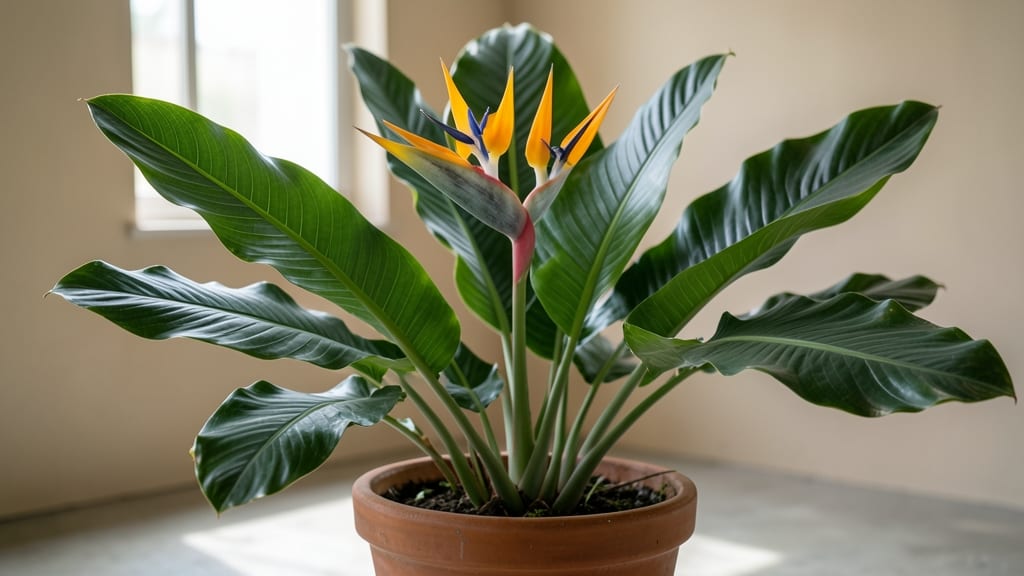
Growing a yellow bird of paradise bush turns your yard into a sunlit tropical escape with its bold, flame-shaped blooms. 🌺 I’ve watched mine transform from a small pot into a 6-foot-tall statement piece, and the secret lies in mimicking its native South African climate—bright light, well-draining soil, and occasional deep watering.
This plant thrives in USDA zones 9-11 but can survive winters in colder zones with protection. The key is 3-4 hours of afternoon shade in summer to prevent leaf scorch, while the rest of the year, it craves full sun to fuel those vibrant orange-yellow flowers.
Even in containers, it’s surprisingly low-maintenance once established—just watch for overwatering, which causes those dreaded yellow leaves.
Once happy, it rewards you with year-round interest: glossy green foliage in winter, sporadic blooms in cooler months, and a full floral display from spring to fall. Prune lightly after flowering to shape it, but avoid heavy cuts—this bird of paradise prefers to grow naturally.
The only real challenge? Keeping pests like mealybugs at bay, which I tackle with a simple neem oil spray every few months.
📚 In This Guide
- What you need
- Instructions
- Tips and common mistakes
- Wrapping up and next steps
What you need
- ● Yellow bird of paradise bush (Caesalpinia gilliesii) – 1-3 plants (depending on desired coverage)
- ● Well-draining potting mix – 5-10 gallons (or native sandy soil if planting outdoors)
- ● Organic compost – 1-2 cups (to enrich soil fertility)
- ● Slow-release fertilizer – 10-20-10 NPK ratio (follow package instructions for dosage)
- ○ Mulch (optional but recommended) – 2-3 inches of pine bark or gravel (to retain moisture and regulate soil temp)
- ● Trowel or shovel (for digging holes)
- ● Gloves (to protect hands from thorns)
- ● Watering can or hose (with a gentle spray nozzle)
- ● Pruning shears (for shaping and maintenance)
- ● Measuring tape (to ensure proper spacing)
- ● Container or raised bed (if growing in pots—15+ gallon size per plant)
- ● Sunlight: Full sun (6+ hours daily) – This bush thrives in bright, warm conditions!
- ● Climate: USDA Zones 9-11 (or container-grown in cooler zones)
- ● Soil pH: Slightly acidic to neutral (6.0-7.0)
- ● Watering schedule: Deep watering 2-3 times per week (drought-tolerant once established)
- ● Spacer: 3-5 feet between plants (for optimal airflow and growth)
How to grow and care for a thriving yellow bird of paradise bush
This vibrant tropical beauty needs just the right conditions to flourish—let's get it growing strong and colorful.
🪴 Step 1: Select the Perfect Planting Spot
The yellow bird of paradise (Caesalpinia gilliesii) thrives in full sun—at least 6-8 hours daily—so choose a location that gets direct sunlight for most of the day. I always scout the spot in late afternoon when the sun is strongest to ensure it won’t be shaded by nearby trees or structures. This plant handles heat beautifully but will struggle in deep shade, where its signature yellow blooms won’t open fully.
Check the soil drainage by digging a small hole and filling it with water. If it drains completely within 30 minutes, the spot is ideal. If water pools at the bottom after an hour, amend the soil with 2-3 inches of coarse sand or grit to improve drainage. This plant hates soggy roots, which can lead to root rot and stunted growth.
☀️ Step 2: Plant in Well-Draining Soil
Amend your native soil with equal parts compost and perlite to create a loose, airy mix that mimics its native tropical environment. I like to dig a hole twice as wide as the plant’s root ball but only as deep as the container it came in—burying too deep can suffocate the roots. Gently tease out any circling roots to encourage outward growth.
Place the plant in the hole and backfill with the amended soil, pressing lightly to remove air pockets. Water deeply right after planting to settle the soil and eliminate gaps. You’ll know it’s properly hydrated when water runs out the drainage holes—this ensures the roots make immediate contact with moisture. Mulch with 2-3 inches of organic mulch (like pine bark) around the base, keeping it 3 inches away from the stem to prevent rot.
💧 Step 3: Water Deeply and Establish a Routine
Water your yellow bird of paradise once a week during the first growing season, allowing the top 2-3 inches of soil to dry out between waterings. This plant is drought-tolerant once established but needs consistent moisture to root deeply. I water in the early morning to reduce evaporation and fungal risks. After the first year, you can cut back to every 10-14 days unless your area experiences prolonged dry spells.
Watch for wilting leaves—a sign it’s thirsty—or yellowing edges, which often means overwatering. Stick your finger 2 inches into the soil; if it feels dry, it’s time to water. If it’s still damp, wait another day. Overwatering is the biggest mistake beginners make, and this plant will tell you when it’s unhappy.
✂️ Step 4: Prune for Shape and Encourage Blooms
Prune your yellow bird of paradise after flowering (late spring to early summer) to shape the plant and promote bushier growth. I use clean, sharp pruners to cut back leggy stems by one-third to encourage branching. Avoid heavy pruning in fall or winter, as new growth won’t harden off in time for cooler weather.
Remove any dead, diseased, or crossing branches first—they compete for energy and can invite pests. You’ll notice new growth emerging from the sides within 2-3 weeks of pruning. This is your signal that the plant is responding well. If you see no new growth after 4-6 weeks, you may have pruned too late in the season or cut back too aggressively.
🌿 Step 5: Fertilize for Vibrant Growth and Blooms
Feed your yellow bird of paradise with a balanced, slow-release fertilizer (10-10-10) in early spring as new growth appears. I sprinkle ½ cup of granules around the base, then water deeply to activate it. This gives the plant a steady nutrient supply without risking root burn from over-fertilizing. Avoid high-nitrogen fertilizers—they encourage leafy growth at the expense of those stunning yellow blooms.
In mid-summer, switch to a low-nitrogen, high-phosphorus fertilizer (like 5-10-10) to support flowering. You’ll see the difference in 4-6 weeks—more blooms and fewer straggly stems. Stop fertilizing in late fall to let the plant prepare for dormancy. If you notice yellow leaves with green veins, that’s a classic sign of over-fertilizing—flush the soil with water to dilute excess salts.
Tips & tricks for thriving yellow bird of paradise bushes
A few key insights that'll help you avoid common pitfalls and maximize those vibrant blooms.
Sunlight Strategy: I've learned the hard way that morning sun is your best friend for this plant. While 6-8 hours of daily sunlight is ideal, prioritize those morning hours when sunlight is strongest and least likely to be blocked by nearby structures. If you're planting near a building or tree, position it where it catches the earliest rays—this gives the plant the energy boost it needs for robust growth and abundant flowering.
Soil Drainage Test: The 30-minute drainage test in Step 1 is non-negotiable. I've seen too many bird of paradise plants suffer from soggy roots, leading to yellowing leaves and stunted growth. If your soil fails this test, don't just add sand—create a raised bed or planting mound instead. This elevation prevents water from pooling around the roots while still allowing the plant's extensive root system to spread naturally.
Pruning Timing: That 2-3 week window after pruning is actually a critical observation period. When you see new growth emerging from the sides, that's your plant's way of saying "thank you" for the proper pruning technique. If you don't see this response within 4-6 weeks, it might mean you pruned at the wrong time of year or cut back too aggressively. Remember, this plant blooms on old wood, so preserve those mature stems whenever possible.
Fertilizer Rotation: The switch from 10-10-10 in spring to 5-10-10 in summer isn't just about numbers—it's about signaling to your plant when to focus on different growth priorities. The high phosphorus in summer fertilizer (5-10-10) encourages root development and flower production, while the balanced spring fertilizer (10-10-10) supports overall vigor. This rotation explains why you'll see more blooms within 4-6 weeks of the summer feeding.
Pro Tips for Yellow Bird Of Paradise Bush
- A few key insights that'll help you avoid common pitfalls and maximize those vibrant blooms.
- Sunlight Strategy: I've learned the hard way that morning sun is your best friend for this plant.
- Soil Drainage Test: The 30-minute drainage test in Step 1 is non-negotiable.
Frequently asked questions
How often should I water my yellow bird of paradise bush?
Water deeply once a week during the first year to establish roots, then reduce to every 10–14 days once mature. This drought-tolerant shrub prefers well-draining soil—overwatering can lead to root rot. Check soil moisture 2 inches deep before watering; if dry, it’s time!
Does yellow bird of paradise need full sun?
Yes! It thrives in full sun (6+ hours daily), especially in hotter climates (Zones 9–11). In cooler areas, partial shade (morning sun + afternoon shade) works, but expect fewer blooms. Yellow foliage may fade in deep shade—keep it sunny for that vibrant “bird of paradise” glow!
Can yellow bird of paradise survive winter?
Native to frost-free regions, it’s not cold-hardy. In Zones 8 or below, grow it as an annual or container plant and bring indoors before temps drop below 30°F (-1°C). Mulch heavily if planted in the ground, but expect leaf drop in freezing temps—new growth returns in spring!
Why aren’t my leaves staying yellow?
Fading yellow? Check these fixes:
- Nutrient deficiency: Feed with low-nitrogen fertilizer (like 5-10-10) in spring.
- Overwatering: Let soil dry between waterings to prevent root stress.
- Poor drainage: Amend heavy soil with sand or gravel for better airflow.
What are good alternatives if I can’t grow yellow bird of paradise?
Love the look but need a hardier option? Try these low-maintenance, sun-loving shrubs with bold foliage:
- Dwarf bird of paradise (Caesalpinia pulcherrima) – Bright orange blooms + drought-tolerant.
- Mexican bush sage (Salvia leucantha) – Velvety purple spikes + heat-resistant.
- Texas ranger (Leucophyllum frutescens) – Purple blooms that pop after rain!
Wrapping up and next steps
The yellow bird of paradise bush is a true gem for gardeners seeking bold, year-round color with minimal fuss. Its fiery blooms and lush foliage bring tropical vibrancy to any landscape, while its drought tolerance and low-maintenance nature make it a dream plant.
Whether you’re a seasoned gardener or just starting, this shrub is a game-changer for adding drama and joy to your outdoor space.
Ready to transform your garden? Start by selecting the perfect spot—sunny, sheltered, and well-draining—and watch your yellow bird of paradise bush thrive! 🌺✨