
Pruning
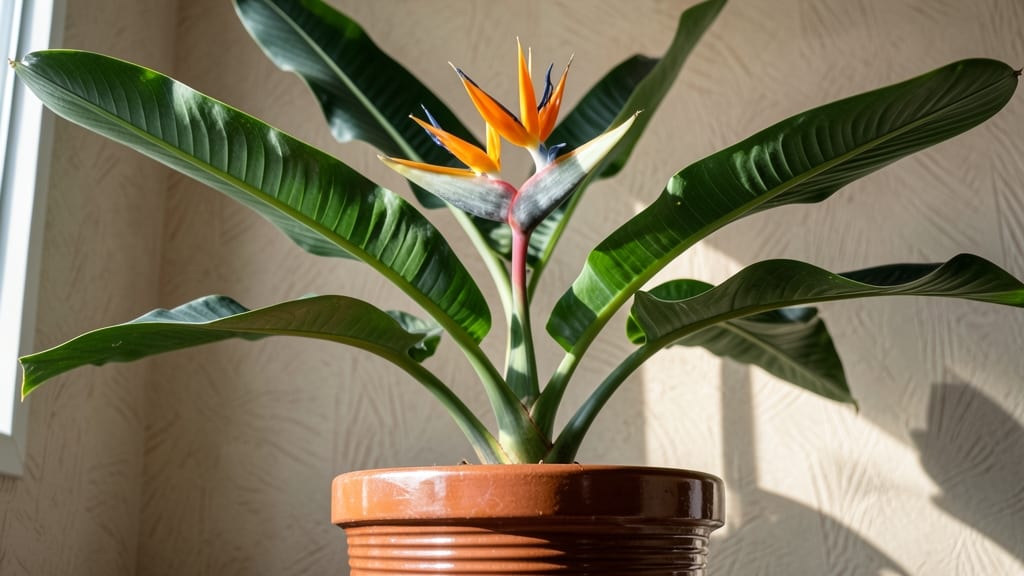
Pruning your Desert Bird of Paradise bush (Caesalpinia gilliesii) unlocks its full potential—bright orange blooms year-round if you time it right. ✨ I’ve learned the hard way that cutting too late means missing spring’s show, while over-trimming weakens its drought-resistant frame.
The key is precision: shape it after flowering but before new growth starts.
You’ll need sharp bypass pruners, a clean workspace, and a sunny morning to avoid stressing the plant. This bush thrives in USDA Zones 9-11, so prune when temps stay above 50°F—cold snips shock the plant.
Focus on removing dead branches first, then thin out crowded stems to improve airflow and light penetration.
The payoff? A bush that blooms earlier, denser, and longer than unpruned plants. Expect vibrant orange-yellow flowers from late winter through summer, with minimal pest issues thanks to its natural resilience. Even in drought conditions, it rebounds with striking foliage and bold blooms.
Works equally well as a focal point in desert landscapes or as a low-maintenance hedge. Just remember: less is more—this tough bush rewards gentle hands over aggressive cuts. Let’s get those blooms back in full force!
📚 In This Guide
- What you need
- Instructions
- Tips and common mistakes
- Wrapping up and next steps
What you need
- ● Pruning shears: Bypass pruners (sharp, clean, and sterilized with rubbing alcohol or bleach). Size: 6–8 inches for precision.
- ● Loppers: For thicker branches (½–1 inch diameter). Quantity: 1 pair.
- ○ Pruning saw: Optional but handy for stubborn, woody stems (10–12 inch blade).
- ● Gloves: Heavy-duty, cut-resistant (e.g., leather or Kevlar). Why? Thorns + sharp edges!
- ● Disinfectant: 1-part bleach to 9-parts water (for sterilizing tools between cuts).
- ○ Pruning sealant: Optional (e.g., tree wound dressing) for large cuts (>2 inches).
- ● Ladder or step stool: For hard-to-reach branches (height-safe, 6–8 ft max).
- ● Trash bags: Heavy-duty (2–3 gallon size) for debris.
- ○ Marking twine or flags: Optional (to tag branches for removal).
- ● Safety glasses: Protect your eyes from flying debris.
- ○ Work apron: Optional (to keep clothes clean from sap/dust).
- ● Weather: Prune on a dry, overcast day (avoid extreme heat or rain).
- ● Timing: Best done in late winter/early spring (before new growth) or after blooming.
- ● Research: Sketch your bush’s shape before cutting—patience is key!
Precision trimming for desert bird of paradise: year-round bloom revival
Here’s how to coax vibrant, continuous blooms from your desert bird of paradise—no guesswork, just strategic cuts.
✂️ Step 1: Assess Growth Habits and Identify Key Branches
Examine your plant’s structure to spot the three key areas that drive blooming: mature wood (last year’s growth), current season’s growth, and dead or crossing branches. Desert bird of paradise blooms best on mature stems, so prioritize preserving those 2-3 year old branches—they’re your plant’s powerhouses for flowers. Use sharp pruners to make clean cuts at 45-degree angles, just above a leaf node or lateral bud.
Here’s the thing—never cut into old wood (the thick, woody stems). You’ll know it’s old wood when it’s hard and dark, not the lighter green of newer growth. If you accidentally cut too far, the wound won’t heal properly, and the plant may develop rot. I always start by removing dead or diseased branches first—they sap energy from the blooms you want to encourage.
☀️ Step 2: Time Your Pruning for Optimal Bloom Stimulation
Prune twice yearly for maximum impact: late winter (just as new growth begins) and mid-summer (after the first flush of blooms). Late winter cuts stimulate spring growth, while summer trimming encourages a second bloom cycle. Avoid pruning in fall or early spring—your plant needs all its energy to establish roots before the heat of summer.
Watch for new shoots emerging after your late winter cut—that’s your signal the plant is responding. If your region has mild winters, you can prune lightly in early spring instead, but avoid heavy cuts. The goal is to shape the plant without shocking it, so I usually remove no more than 20-25% of the foliage in any single session.
✂️ Step 3: Shape for Airflow and Light Penetration
Thin out overcrowded branches to improve air circulation—this prevents fungal diseases like powdery mildew, which can turn leaves yellow and drop buds before they open. Focus on removing branches that cross or rub against each other, as these create wounds and weak points. You’ll see the plant’s natural open, vase-like shape emerge as you work.
Don’t just chop randomly—I like to step back every few cuts to visualize the plant’s form. Aim for a balanced, slightly rounded silhouette that lets light reach the inner branches. Desert bird of paradise needs full sun (6+ hours daily), so pruning to open the canopy ensures even light exposure. If you notice leggy growth (long, sparse stems), you’ve pruned too aggressively or the plant isn’t getting enough light.
💧 Step 4: Post-Pruning Care for Strong Recovery
After trimming, water deeply to help the plant recover—soak the root zone until water runs out the drainage holes, then let the soil dry slightly before watering again. Desert bird of paradise is drought-tolerant once established, but new growth needs consistent moisture to root properly. I also apply a balanced, water-soluble fertilizer (10-10-10) at half strength right after pruning to support regrowth.
Real talk: Don’t fertilize right before pruning—the plant needs time to recover before taking in extra nutrients. If you see yellowing leaves after pruning, it’s usually a sign of over-fertilization or root stress. Adjust your watering to keep the soil evenly moist but not soggy, and avoid pruning again until new growth appears.
⏰ Step 5: Monitor and Adjust for Continuous Blooms
Watch for buds forming along the mature stems—these are your plant’s promise of flowers. If buds appear but fail to open, your plant may be stressed from over-pruning, underwatering, or insufficient light. Adjust your care based on what you observe: more water for dry spells, a move to sunnier spot if leaves fade, or light pruning to reduce stress if the plant looks overwhelmed.
By mid-summer, you should see new flower spikes emerging. If blooms are sparse, try pruning again in late summer to encourage a fall flush. Desert bird of paradise is forgiving, but consistency is key—stick to the twice-yearly schedule, and your plant will reward you with vibrant blooms nearly year-round.
Tips & tricks for desert bird of paradise pruning
These precision-focused strategies will help you transform your pruning routine into a bloom-boosting powerhouse.
Pruner Selection: Invest in a pair of bypass pruners with sharp, stainless steel blades—these make clean cuts that heal faster than jagged snips. I've ruined three pruning sessions with dull tools before realizing how much cleaner cuts make all the difference. For thicker branches (over 1/2 inch), use loppers to avoid crushing the stems. Always sterilize your tools with rubbing alcohol between cuts to prevent spreading disease from dead branches to healthy ones.
Visual Pruning Cues: In Step 1, when identifying mature stems, look for small, raised nodes where leaves attach—these are your ideal cutting points. The 2-3 year old branches you're preserving will have a slightly rougher texture than current season's growth. If you're unsure about a branch's age, check for flower buds along its length; these only form on mature wood. I've learned to trust my fingers over the calendar—if it's hard and dark, it's old wood and should stay untouched.
Seasonal Adjustments: While the twice-yearly schedule is ideal, your plant's response varies by climate. In hotter desert regions, you might need an extra pruning in early fall to prepare for winter dormancy, while cooler coastal areas can benefit from a third light trim in late spring. Always check for new growth before pruning—if you see fresh shoots, your plant is ready for shaping. The key is to never remove more than 25% of foliage in any single session, regardless of season.
Post-Pruning Fertilizer Timing: The instructions mention applying half-strength 10-10-10 fertilizer after pruning, but here's the critical detail: wait 3-5 days before fertilizing. This recovery window helps the plant seal wounds and prevents root burn. I've seen plants develop yellowing leaves within days when fertilized immediately after pruning—always let that initial deep watering work its magic first. For established plants, you can also use a fish emulsion (optional) for a gentler nutrient boost.
Pro Tips for Desert Bird Of Paradise Bush
- These precision-focused strategies will help you transform your pruning routine into a bloom-boosting powerhouse.
- Pruner Selection: Invest in a pair of bypass pruners with sharp, stainless steel blades—these make clean cuts that heal faster than jagged snips.
- Visual Pruning Cues: In Step 1, when identifying mature stems, look for small, raised nodes where leaves attach—these are your ideal cutting points.
Frequently asked questions
Got questions about keeping your Desert Bird of Paradise bush (Caesalpinia gilliesii) thriving with precision pruning? You’re in the right place! Here are answers to the most common queries—from timing to troubleshooting—so you can master the art of year-round blooms.
When is the best time to prune my Desert Bird of Paradise bush?
The ideal time to prune is late winter or early spring, just as new growth begins. This encourages vibrant blooms and maintains the bush’s compact shape. Avoid heavy pruning in fall or winter, as it may stunt growth before the next blooming cycle. Pro tip: Light trimming after flowering can also promote more blooms!
How much can I trim without harming the plant?
You can safely remove up to one-third of the plant’s total growth in a single session. Focus on shaping by cutting back leggy stems to just above a leaf node or bud. Avoid over-pruning—this bush is resilient but thrives best with moderate, strategic cuts. Think of it like a haircut: confidence, not a buzz cut!
What should I do if my bush isn’t blooming after pruning?
If blooms are sparse, check these fixes:
- Light exposure: Ensure it gets full sun (6+ hours/day)—partial shade can reduce flowers.
- Watering: Drought stress can halt blooming; water deeply but let soil dry between waterings.
- Fertilizer: Apply a low-phosphorus, high-potassium fertilizer (like 5-10-10) in early spring to boost blooms.
- Pruning timing: If pruned too late, blooms may not form until next season.
Can I prune my Desert Bird of Paradise bush in summer?
Yes, but lightly! Summer pruning is best for removing dead or diseased branches or shaping after a bloom surge. Avoid heavy cuts—heat stress can weaken the plant. If you must prune, do it early morning or late afternoon and water thoroughly afterward. Think of it as a trim, not a transformation!
What’s a good alternative if I don’t want to prune?
If pruning feels overwhelming, try these low-maintenance strategies:
- Selective deadheading: Snip spent flowers to encourage new blooms (use clean, sharp shears!).
- Mulching: Add 2-3 inches of mulch around the base to retain moisture and reduce stress.
- Fertilizer boost: A balanced, slow-release fertilizer (like 10-10-10) can promote natural shaping.
- Patience: This drought-tolerant bush often self-regulates—give it time to find its shape!
Wrapping up and next steps
The Desert Bird of Paradise Bush rewards your care with stunning, year-round blooms—when you prune with precision! Remember, timing, technique, and tools are your best friends: trim lightly in late winter, shape in early spring, and deadhead regularly to encourage vibrant growth.
With patience and practice, you’ll master the art of keeping this desert beauty thriving.
Ready to transform your garden? Grab your pruners and start small! Try a single branch this weekend, observe the results, and gradually build confidence. Your desert oasis will thank you with ✨show-stopping color✨ all year long. Happy pruning! 🌵🌸