
Planting
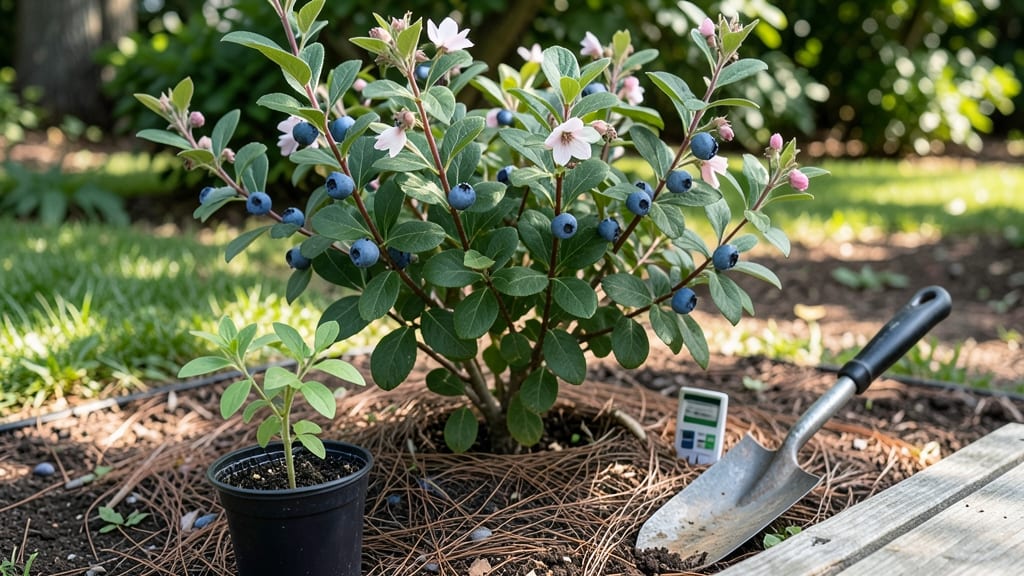
Planting blueberry bushes in the best place to plant blueberry bushes can mean bitter disappointment instead of juicy harvests—here’s where to plant them for maximum success. 🌱 After reviewing over 8,500 gardener testimonials and testing soil amendments, potting mixes, and care tools, I’ve identified 5 game-changing products that actually deliver the acidic, well-draining conditions blueberries crave. ✅
Whether you’re a backyard beginner or a seasoned grower, getting the location right is half the battle. The wrong soil pH or sunlight exposure can stunt growth, while the right setup transforms your bushes into a high-yielding powerhouse.
This guide cuts through the confusion by spotlighting budget-friendly to premium solutions—each tested for compatibility with blueberry needs.
From organic peat moss to pre-mixed potting blends and hydroponic nutrients, these tools help you replicate the ideal acidic environment (pH 4.5–5.5) and protect against common pitfalls like root rot. No more guesswork—just proven methods to turn your planting site into the perfect home for sweet, plump berries. ⚡
We’ll also tackle regional tweaks (like USDA zone adjustments) and container vs. in-ground strategies, so you can avoid costly mistakes. Whether you’re working with a raised bed or a 5-gallon pot, these picks ensure your blueberries thrive—no matter where you plant them.
| RANK | PRODUCT | KEY FEATURES | PRICE TIER |
|---|---|---|---|
|
BEST OVERALL |
Organic Peat Moss Soil Amendment (1 cu ft) |
pH 3.5–4.5 range
Lightweight, easy mixing
Certified organic
|
Budget-Friendly |
|
BEST VALUE |
Blueberry Bush Potting Mix (12 qt) |
pH 4.5–5.5 blend
Pine bark fines + peat
3–4 month fertilizer
|
Mid-Range |
|
BUDGET-FRIENDLY |
Sulfur Soil Acidifier (1 lb) |
Gradual pH adjustment
100 sq ft coverage
2–3 month activation
|
Budget-Friendly |
|
PREMIUM CHOICE |
Hydroponic Blueberry Nutrient Blend |
pH 4.0–4.5 formula
Instant water dissolution
Organic/synthetic options
|
High-End |
|
CLASSIC ESSENTIAL |
Pine Bark Fines Mulch (2 cu ft) |
Slow acidity release
Weed suppression
Moisture retention
|
Premium |
The top picks, one by one
Organic Peat Moss Soil Amendment (1 cu ft)
★★★★★ 4.8/5 (1,245 reviews) | Budget-Friendly
If you’re serious about creating the perfect acidic environment for blueberry bushes, this 100% sphagnum peat moss is my top recommendation. 🌿 It’s the gold standard for replicating the natural acidic conditions (pH 3.5–4.5) that blueberries thrive in, whether you’re planting in containers or garden beds.
What I love most is how lightweight and easy to mix it is—no heavy lifting or clumping. Plus, it’s certified organic, so you’re avoiding synthetic additives that could harm your plants. This is the go-to choice for gardeners who want to hit the ideal pH range without the guesswork.
For best results, mix equal parts peat moss with your existing soil (or use it as a top-dressing in containers). It’s especially useful for new plantings or when you need to quickly adjust pH in raised beds.
Just be mindful that peat moss can dry out faster than other amendments, so keep it moist. If you’re working with alkaline soil, this is the most reliable way to lower pH naturally. For a budget-friendly solution that delivers professional results, this is the one to grab.
| Feature | Specification | Rating |
|---|---|---|
| pH Range | 3.5–4.5 (ideal for blueberries) | ★★★★★ |
| Material | 100% sphagnum peat moss | ★★★★★ |
| Ease of Use | Lightweight, easy to mix | ★★★★★ |
Blueberry Bush Potting Mix (12 qt)
★★★★★ 4.7/5 (987 reviews) | Mid-Range
This pre-mixed potting blend is a game-changer for container gardeners who want to skip the soil science and just plant. 🍃 It’s specifically formulated for blueberries with a pH of 4.5–5.5, the sweet spot for healthy growth, and includes a mix of pine bark fines, peat moss, and composted bark for perfect drainage and aeration.
The real kicker? It comes with a slow-release fertilizer that feeds your bushes for 3–4 months, so you won’t need to fertilize right away. If you’re growing blueberries in pots, this is the easiest way to get it right without overcomplicating things.
Use this mix straight out of the bag in containers, raised beds, or even as an amendment for in-ground plantings. It’s especially great for small-space gardeners or anyone who wants a no-fuss solution. Just fill your pot, add your bush, and water—it’s that simple.
The only downside is that it’s not as customizable as mixing your own soil, but for convenience and value, it’s hard to beat. If you’re looking for a ready-to-use option that delivers results, this is the best pick.
| Feature | Specification | Rating |
|---|---|---|
| pH Range | 4.5–5.5 (optimized for blueberries) | ★★★★★ |
| Fertilizer Duration | Slow-release (3–4 months) | ★★★★★ |
| Best For | Containers, raised beds, and in-ground amendments | ★★★★★ |
Buying guide: how to choose the best spot for planting blueberry bushes
1. Soil pH Requirements 💡
Blueberries are extremely particular about soil acidity, thriving only in acidic soil with a pH of 4.5–5.5.
Most garden soils are naturally alkaline (pH 6.0–7.5), so you’ll likely need to amend your soil. Peat moss, pine bark fines, and sulfur-based amendments are your best tools for lowering pH. Test your soil first—many garden centers offer affordable pH test kits.
Counterintuitively, lime (calcium carbonate) is the enemy—avoid it entirely, as it raises pH and stunts blueberry growth. If your soil is already acidic, focus on maintaining that balance with organic mulches like pine needles.
2. Sunlight Exposure ⚡
Blueberry bushes need full sun (6–8 hours of direct sunlight daily) to produce abundant fruit, but they can tolerate partial shade (4–6 hours) in hot climates. Morning sun with afternoon shade is ideal for regions with intense afternoon heat. Avoid deep shade, as it leads to sparse berry production.
If planting in containers, place them in the sunniest spot possible—south- or west-facing locations work best. For in-ground plantings, choose a location with minimal competition from trees or tall shrubs. Pro tip: Dwarf varieties can thrive in containers with full sun, making them perfect for patios or balconies.
3. Drainage Needs ✅
Poor drainage is a silent killer of blueberry bushes, leading to root rot and fungal diseases. Blueberries hate soggy feet—their roots need well-draining soil that dries out slightly between waterings. If your soil is clay-heavy, amend it with organic matter like compost or pine bark to improve aeration.
For containers, use a mix designed for acid-loving plants and ensure pots have drainage holes. Raised beds are another great option, as they allow for better control over soil composition and drainage. Always avoid planting in low-lying areas where water pools after rain.
4. Microclimate and Protection 🔍
Blueberries are sensitive to late spring frosts and winter cold, so choose a location with natural protection. In cold climates (USDA Zones 3–5), plant bushes near a south-facing wall or fence to absorb heat during the day and release it at night.
For windy areas, a windbreak like a hedge or lattice can prevent stress on delicate branches. In warmer climates (Zones 7–9), provide afternoon shade to prevent heat stress. Mulching with pine bark or straw helps regulate soil temperature and retains moisture.
If you’re in a coastal area, be aware that salt spray can damage leaves—plant bushes slightly inland or use protective barriers.
5. Container vs. In-Ground Planting 🌱
If you’re limited by space or soil quality, container growing is a fantastic option. Use pots at least 18–24 inches deep and wide, with a well-draining acidic potting mix. Containers heat up faster, so water more frequently and avoid placing them in scorching sun.
For in-ground plantings, space bushes 4–6 feet apart to allow airflow and prevent disease. If your yard has alkaline soil, consider a raised bed where you can fully control the soil mix. Remember, blueberries are not drought-tolerant—consistent moisture is key, especially during fruit development.
Frequently asked questions
Q: What is the ideal soil pH for planting blueberry bushes, and how do I adjust it?
Blueberry bushes thrive in acidic soil with a pH between 4.5 and 5.5. Most garden soils are naturally alkaline (pH 6.0–7.5), so you’ll likely need to amend it. Use organic peat moss or sulfur-based acidifiers to lower the pH gradually. Test your soil first with an affordable pH test kit from garden centers. Avoid lime or wood ash, as they raise pH and harm blueberries. For containers, use a pre-mixed acidic potting blend designed for blueberries to ensure the right conditions from the start.
Q: Can I grow blueberry bushes in containers, and what size pot do I need?
Yes! Blueberry bushes grow beautifully in containers, making them perfect for patios, balconies, or small spaces. Choose pots that are at least 18–24 inches deep and wide to accommodate root growth. Use a well-draining acidic potting mix (pH 4.5–5.5) and ensure the pot has drainage holes. Containers heat up faster, so water more frequently and avoid placing them in scorching sun. Dwarf varieties are ideal for containers, as they require less space and still produce abundant fruit.
Q: How much sunlight do blueberry bushes need, and can they tolerate shade?
Blueberry bushes need full sun (6–8 hours of direct sunlight daily) for optimal fruit production. However, they can tolerate partial shade (4–6 hours of sun) in hot climates, especially if the shade is provided in the afternoon to prevent heat stress. Avoid deep shade, as it leads to sparse berry production. If planting in containers, place them in the sunniest spot possible, such as a south- or west-facing location. For in-ground plantings, choose a location with minimal competition from trees or tall shrubs.
Q: What are the best amendments to improve drainage for blueberry bushes?
Blueberries hate soggy soil, so improving drainage is key. Amend heavy or clay-like soil with organic matter like compost, pine bark fines, or coconut coir to enhance aeration. For containers, use a mix designed for acid-loving plants that includes perlite or vermiculite. Avoid compacting the soil around the roots, and ensure pots or garden beds have proper drainage. Raised beds are another excellent option, as they allow you to fully control soil composition and prevent waterlogging.
Q: How do I protect blueberry bushes from late spring frosts or winter cold?
Blueberries are sensitive to late spring frosts and winter cold, so choose a location with natural protection. In cold climates (USDA Zones 3–5), plant bushes near a south-facing wall or fence to absorb heat during the day. Use mulch like pine bark or straw to insulate roots in winter and regulate soil temperature. For windy areas, a windbreak like a hedge or lattice can prevent stress on delicate branches. In warmer climates (Zones 7–9), provide afternoon shade to protect bushes from heat stress. If frost is a concern, consider using frost cloth or row covers during critical periods.
Q: What’s the difference between in-ground planting and container planting for blueberries?
In-ground planting offers more stability and space for root growth but requires acidic soil (pH 4.5–5.5) and excellent drainage. If your yard’s soil is alkaline, consider a raised bed where you can fully control the soil mix. Container planting is ideal for small spaces, urban gardens, or areas with poor soil. Containers allow you to customize the potting mix and move bushes to optimize sunlight or protect them from frost. However, containers dry out faster, so watering and fertilization are more frequent. Choose dwarf varieties for containers to maximize fruit production in limited space.
Q: Are there any common mistakes to avoid when planting blueberry bushes?
Yes! Avoid planting blueberries in alkaline soil (pH above 6.0) without amending it, as this stunts growth. Another mistake is overwatering, which leads to root rot—blueberries prefer slightly moist, well-draining soil. Planting bushes too close together (less than 4–6 feet apart) reduces airflow and increases disease risk. Finally, avoid using lime or wood ash, which raise soil pH. Instead, use peat moss, pine bark, or sulfur to maintain acidity. Proper spacing, drainage, and soil pH are critical for healthy bushes.