
Pruning
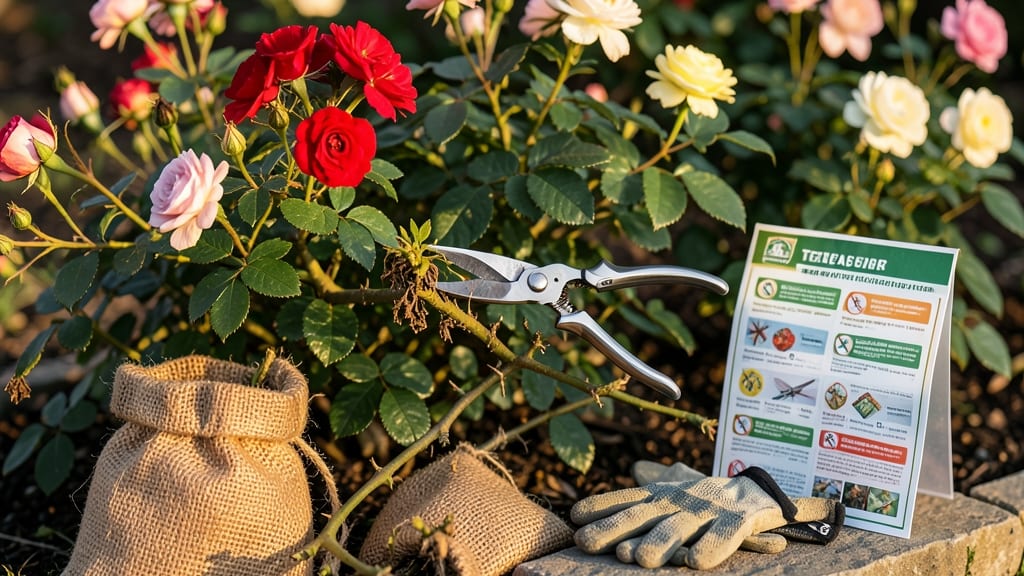
Trimming rose bushes in Texas at the right time ensures heat-resistant blooms all season—late February is your sweet spot, but timing is everything.
Texas gardeners know the struggle—trim roses too early, and you risk frost damage; too late, and your heat-resistant blooms suffer. The secret to lush, thriving roses in Texas lies in a precise timing window that most gardeners miss.
In USDA zones 8a-10b, waiting until after the last frost (usually mid-February in North Texas, earlier in South Texas) gives your 🌹 rose bushes the best chance to recover and flourish.
This guide breaks down the exact cues to watch for—like bud swell and temperature trends—to nail your pruning window.
From shaping your bushes for maximum airflow to post-pruning care that keeps pests at bay, you’ll learn how to turn late February into the start of a bloom-filled summer—no guesswork required.
Optimal late February trimming timeline for Texas roses
Timing your rose bush pruning in Texas is all about reading the climate cues. Late February marks the sweet spot between frost risk and spring growth, but the exact window varies dramatically across the state's USDA zones 8a-10b.
In North Texas, where last frost dates hover around February 15, you'll want to wait until after that date. Meanwhile, South Texas gardeners can often start trimming as early as mid-February, thanks to milder winters.
The key is watching for bud swell—those plump, pea-sized buds signaling new growth. When you see them forming along the canes, that's your green light to prune. Pair this with consistent daytime temperatures above 55°F for at least 3-5 days.
This combination ensures your roses won't shock back into dormancy after pruning, which can happen if you cut too early in cooler areas like East Texas.
Texas's heat-resistant rose varieties, like Knock Out roses and Dr. Huey, benefit most from this late-winter trim. These varieties bloom repeatedly throughout the season, so removing dead wood and crossing branches in late February sets them up for their first flush of blooms by April.
For hybrid teas and grandifloras, which typically bloom once per season, the goal is to shape the bush while preserving next year's flower buds hidden in the leaf axils.
| Texas Region | Last Frost Date | Optimal Trim Window | Climate Cues |
|---|---|---|---|
| North Texas (8a-9a) | Feb 15 - Mar 1 | Late Feb - Early Mar | Bud swell + 55°F+ days |
| Central Texas (8b-9b) | Feb 1 - Feb 15 | Mid-Feb - Late Feb | 3+ days above 60°F |
| South Texas (9b-10b) | Jan 15 - Feb 1 | Early Feb | Consistent 65°F+ temps |
| East Texas (8a-9a) | Feb 20 - Mar 5 | Early Mar | Bud break visible |
| West Texas (8b-9a) | Feb 10 - Feb 25 | Late Feb | Night temps above 45°F |
If you're in North Texas and see bud swell by February 20, that's your cue to grab your pruners and get to work. The goal is to remove 20-30% of the plant's volume, focusing on dead canes, weak growth, and crossing branches.
For climbing roses, this is also the time to prune back last year's growth to encourage new, more heat-tolerant shoots. Remember, Texas's summer heat can be brutal, so shaping your roses now helps them develop stronger canes that won't flop in July's 100°F+ temperatures.
One common mistake I see in Texas gardens is pruning too aggressively in hopes of bigger blooms. While it's tempting to cut back hard, over-pruning stresses roses and can lead to black spot disease as new growth emerges.
Instead, aim to create an open center that allows air circulation—this is especially critical in humid East Texas, where fungal diseases thrive. Leave at least 3-5 strong canes per bush, cutting just above an outward-facing bud to encourage outward growth.
For heat-resistant varieties like Belinda's Dream or Duchesse de Brabant, you can get away with slightly later trimming—even into early March—since these roses handle Texas heat better.
However, if you're growing traditional hybrid teas, stick to the late February window to avoid missing their spring bloom cycle. Pro tip: If you're unsure about the last frost date in your area, check your local Cooperative Extension Service or use a frost calendar app for real-time updates.
After pruning, give your roses a light fertilizer application with a balanced 10-10-10 mix to kickstart growth. This is also the perfect time to mulch around the base with 2-3 inches of organic mulch to retain moisture and regulate soil temperature.
In West Texas, where water is scarce, consider drip irrigation to deliver water directly to the roots without wetting the foliage, which can promote powdery mildew.
Keep an eye on the weather forecast in the days leading up to your pruning. If a cold snap is predicted, delay trimming by a week to protect your roses. In South Texas, where winter freezes are rare, you might even see roses blooming as early as February.
If this happens, let those early blooms stay—they won't set fruit like fruit trees, so they're just a bonus
Step-by-step pruning guide for Texas heat-resistant rose varieties
Pruning Texas heat-resistant roses like Knock Out roses and hybrid teas requires precision to avoid stressing plants in our intense summers. The key is removing dead wood and shaping the bush while preserving buds that will fuel summer blooms.
I’ve pruned my heat-tolerant varieties for years, and these steps ensure my roses thrive despite Texas’s 90°F+ temperatures.
Start by gathering your tools: clean, sharp pruners, disinfectant (to prevent disease), and gloves. Work on a dry, sunny morning when roses are actively growing.
This timing reduces stress and minimizes pest or fungal risks. For heat-resistant varieties, avoid heavy pruning—focus on selective trimming to maintain airflow and reduce heat stress.
- Step 1: Remove Dead Wood – Cut out blackened or brittle canes at the base. These won’t regrow and can harbor disease.
- Step 2: Shape the Bush – Trim crossing branches and those growing inward to improve air circulation.
- Step 3: Cut Above Buds – Make 45-degree cuts just above an outward-facing bud to encourage new growth.
- Step 4: Thin Overcrowded Areas – Remove 1/3 of the oldest canes to rejuvenate the plant and prevent heat stress.
- Step 5: Clean Up Debris – Rake and dispose of clippings far from the garden to avoid pests or fungus.
When pruning Knock Out roses, which are disease-resistant and heat-tolerant, avoid cutting back more than 1/3 of the plant. These roses bloom repeatedly, so light trimming throughout the season keeps them flowering.
For hybrid teas, focus on removing spent blooms and weak stems to encourage larger, showier flowers.
Avoid these common mistakes: cutting too close to buds (leave 1/4 inch above), pruning in hot afternoons (stresses plants), or using dull tools (tears stems).
I once over-pruned my Knock Out roses in March, and they struggled through the summer—so patience is key! After trimming, water deeply to help roses recover.
For Texas’s varied climates, adjust timing slightly: North Texas gardeners can prune in late February, while South Texas should wait until early March.
Always check for bud swell—this signals it’s safe to prune. My heat-resistant varieties reward me with vibrant blooms all summer long when pruned correctly!
Finally, mulch around the base after pruning to retain moisture and protect roots from Texas heat. A 2-inch layer of mulch keeps soil cool and reduces watering needs. With these steps, your roses will flourish even in our harsh summers!