
Pruning
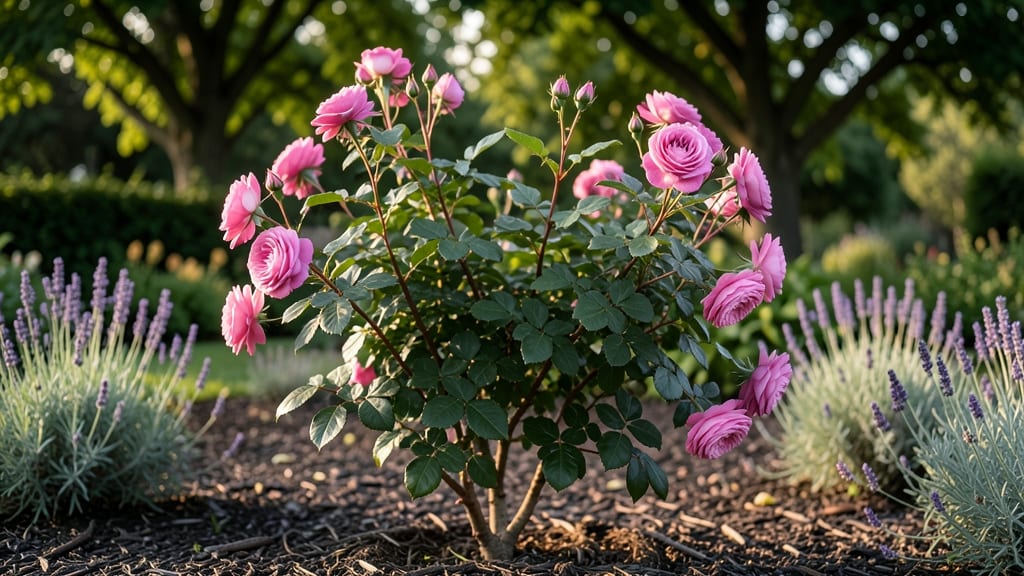
Growing a Sweetheart rose bush means waking up to clouds of pink blooms that smell like a summer garden. 🌹 I learned the hard way that these compact beauties need specific care—too much pruning ruins their shape, too little means fewer flowers.
The secret lies in understanding their growth habits and timing cuts just right. This rose thrives in full sun with well-draining soil, but its real magic happens when you prune strategically.
Unlike other roses, Sweethearts bloom on both old and new wood, so you can't just hack back like you see in movies. We'll cover the exact cuts that keep them bushy, fragrant, and covered in blooms from spring through fall.
By following these steps, you'll end up with a disease-resistant rose that stays compact (perfect for small gardens) while producing more flowers than you can snip.
The fragrance alone makes it worth the effort—imagine walking past and being hit with that classic rose scent without the thorns of a hybrid tea. Whether you're a first-time rose grower or looking to refresh an old bush, this method works for containers or garden beds alike.
Let's get those shears ready!
📚 In This Guide
- What you need
- Instructions
- Tips and common mistakes
- Wrapping up and next steps
What you need
- ● Pruning shears – Bypass-style (sharp, clean blades; avoid anvil shears to prevent crushing stems).
- ● Hand pruners – For smaller branches (test sharpness by cutting a piece of paper—it should slice cleanly!).
- ● Loppers – For thicker stems (1.5"–2" diameter; extendable handles help with reach!).
- ● Garden gloves – Heavy-duty, rose-proof (thorns are no joke!).
- ● Disinfectant – Rubbing alcohol (70%+) or bleach solution (1 part bleach : 9 parts water) to sterilize tools between cuts.
- ○ Pruning sealant – Optional but helpful (like Tanglefoot Tree Wound Pruning Seal for large cuts).
- ● Garden twine or plant ties – To support newly pruned branches if needed.
- ● Trash bags or bucket – For collecting pruned debris (compost later if disease-free!).
- ● A healthy Sweetheart rose bush (identify yours by its deep pink, double blooms and thorny, arching stems).
- ● Knowledge of your climate zone – Prune in early spring (before buds swell) or late winter (USDA Zones 5–10).
- ● Sunlight access – Ensure your bush gets 6+ hours of sun daily for best blooms.
- ● Patience & a clear plan – Sketch a rough outline of your bush’s shape before you start cutting!
Step-by-step instructions for pruning your sweetheart rose bush
Transform your rose bush into a fragrant, blooming powerhouse with these simple pruning techniques.
✂️ Step 1: Prune in Early Spring for New Growth
Start your pruning 2-3 weeks before your last frost date when new growth begins but before buds swell. This timing ensures you remove dead wood while stimulating fresh, vibrant shoots. I like to prune on a dry day when temperatures are above 50°F—this prevents stress on the plant.
Use clean, sharp pruners to cut just above an outward-facing bud, making a 45-degree angle. This angle helps water run off the cut and encourages new growth to branch outward. Remove any dead, diseased, or crossing branches first—they compete with healthy growth for nutrients.
🌿 Step 2: Thin Out Crowded Canes for Better Airflow
Sweetheart roses thrive when they have room to breathe. Look for canes (the main stems) that are rubbing against each other or growing inward. These crowded canes create a damp, shaded environment that invites fungal diseases. I aim to leave 3-5 strong, healthy canes per bush—this keeps the plant balanced and encourages abundant blooms.
Cut back any weak or spindly canes to the ground. You’ll know a cane is weak if it’s thin, pale, or hasn’t produced blooms in the past year. Prune just above a healthy bud or lateral branch to redirect the plant’s energy into stronger growth.
☀️ Step 3: Shape the Bush for Sunlight and Blooms
Step back and assess the overall shape of your rose bush. Sweetheart roses naturally grow in a rounded form, so I focus on maintaining that silhouette while ensuring sunlight reaches the center. Remove any branches that block light from penetrating the bush—this is where most blooms develop.
Prune the outer growth to encourage a fuller, bushier shape. Cut back the longest branches by about one-third to promote branching. Watch for where the bush naturally opens up—this is your guide to creating an airy, inviting structure that maximizes airflow and bloom production.
⏰ Step 4: Deadhead and Prune Throughout the Growing Season
After the initial spring pruning, keep your sweetheart rose bush in top form by deadheading spent blooms regularly. Pinch off faded flowers just above the first set of healthy leaves below the bloom. This simple step redirects the plant’s energy into producing more flowers instead of seed pods.
In late summer, give your rose bush a light trim to remove any leggy or overgrown branches. This keeps the plant compact and encourages a second flush of blooms. Avoid heavy pruning after early summer—it can stimulate tender new growth that won’t survive winter.
✂️ Step 5: Prepare for Winter with a Final Prune
About 6-8 weeks before the first frost, give your sweetheart rose bush a final light prune. Remove any remaining dead or diseased canes, and cut back the remaining branches by about one-third. This reduces the plant’s size, making it easier to protect from winter winds and cold.
Mulch the base of the bush with 2-3 inches of organic mulch to insulate the roots. Avoid piling mulch against the stem—this can cause rot. Your goal is to create a cozy environment that helps the plant survive dormancy and bounce back strong in spring.
Tips & tricks for pruning your sweetheart rose bush
Here's what I learned the hard way after struggling with my own rose bushes for years.
Timing is Everything: That 2-3 week window before your last frost date is critical—it's when your rose bush is just waking up from winter dormancy. I always check my local frost date calendar and mark it on my gardening planner. If you prune too early, you risk damaging tender new growth that can't survive late frosts. If you wait too long, you'll be cutting back growth that could have produced blooms. The goal is to catch that sweet spot when buds are just starting to swell.
The 45-Degree Angle Secret: When you make that cut just above an outward-facing bud at a 45-degree angle, you're not just being precise—you're creating a water runoff system. That angled cut prevents water from pooling on the stem, which reduces rot risk. I like to visualize a tiny roof directing water away from the cut. Also, that outward-facing bud is your growth compass—it tells the plant where to send new energy for maximum bushiness and bloom production.
Crowded Canes Create Problems: Those 3-5 strong canes you're aiming to keep aren't arbitrary—they're based on what works best for sweetheart roses. Too few canes means your bush will be sparse, while too many creates that suffocating effect we talked about. I've seen roses with 8-10 canes struggle with fungal issues because the center never gets proper airflow. When in doubt, err on the side of fewer canes—you can always add more next year if needed.
Winter Prep Matters: That 2-3 inch layer of organic mulch around your roots is your rose bush's winter blanket. I use shredded bark because it breaks down slowly and improves soil structure over time. The key is to keep it away from the stem—about 2 inches back. This prevents rot while still insulating those critical roots. In colder climates, I even add a layer of straw on top of the mulch for extra protection against freezing temperatures.
Pro Tips for Sweetheart Rose Bush
- Here's what I learned the hard way after struggling with my own rose bushes for years.
- Timing is Everything: That 2-3 week window before your last frost date is critical—it's when your rose bush is just waking up from winter dormancy.
- The 45-Degree Angle Secret: When you make that cut just above an outward-facing bud at a 45-degree angle, you're not just being precise—you're creating a water runoff system.
Frequently asked questions
When is the best time to prune a Sweetheart Rose Bush?
Prune your Sweetheart Rose in early spring (just before new growth starts) and again after the first bloom cycle in late spring/early summer. Avoid heavy pruning in fall—focus on removing dead or diseased wood. Light trims in summer can encourage more blooms, but don’t overdo it!
How do I prune for more blooms?
To maximize flowers, cut back one-third of the oldest canes to the ground in spring, and trim above an outward-facing bud (about ¼ inch above). Remove crossing or crowded branches to improve airflow. Deadhead spent blooms regularly to redirect energy into new growth!
My Sweetheart Rose isn’t blooming—what’s wrong?
Common culprits include over-pruning, poor sunlight (they need 6+ hours of sun daily), or nutrient deficiencies. Check for yellow leaves (nitrogen deficiency) or weak stems (phosphorus/potassium). Feed with a rose-specific fertilizer in spring and mid-summer, and ensure well-draining soil.
Can I grow a Sweetheart Rose in a container?
Yes! Choose a large pot (at least 15-gallon) with drainage holes and use a high-quality potting mix. Water consistently (containers dry out faster) and fertilize monthly during growing season. Just be aware: container roses may need more frequent pruning to control size and encourage blooms.
How do I prevent pests like aphids or black spot?
Start with prevention: Space plants for airflow, water at the base (not leaves), and remove debris. For pests, blast off aphids with water or use neem oil. For black spot (dark spots on leaves), prune infected foliage, apply fungicide, and avoid overhead watering. Resistant varieties like ‘Meillandecor’ can also help!
Wrapping up and next steps
Growing a thriving sweetheart rose bush is all about patience, proper pruning, and a little love! 🌹 With the right tools, timing, and techniques, you’ll enjoy lush, fragrant blooms that last all season. Remember, consistency is key—regular maintenance ensures your rose bush stays healthy and vibrant.
Now that you’re armed with expert tips, roll up your sleeves and give your sweetheart rose the care it deserves! Start by scheduling your next pruning session—whether it’s for shaping, deadheading, or seasonal trimming. Happy gardening! 🌿✨