
Pruning
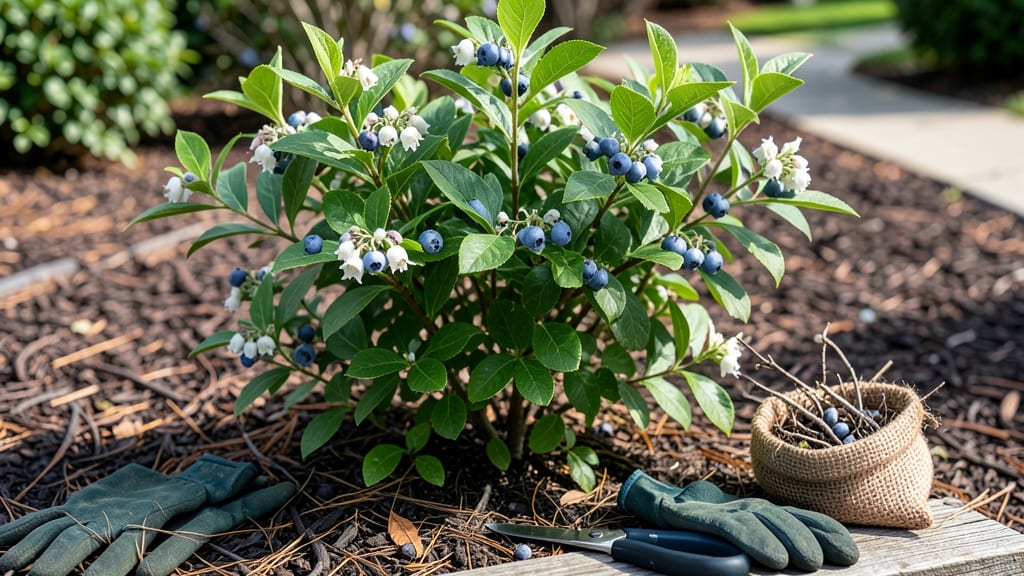
Pruning blueberry bushes in North Carolina during their dormant season—late winter to early spring—sets the stage for bigger harvests and healthier plants.
Get it wrong, and you risk cutting off next year’s fruit buds or inviting disease into your 🫐 bushes. But timing it right—right after the last frost but before new growth—means stronger canes, better air circulation, and berries that taste sweeter than ever.
North Carolina’s 6a-8b climate means your window is tight: typically February through March, but with key adjustments depending on whether you’re in the mountains or the coastal plains. Miss it, and you might end up with fewer berries—or worse, a bush that struggles to recover.
Below, I’ll walk you through the exact cues to watch for, the tools to use, and the one pruning mistake that NC gardeners make again and again—and how to avoid it.
Best dormant season pruning timeline for North Carolina blueberries
North Carolina’s blueberry bushes thrive when pruned during dormant season, but timing is everything. Pruning too early risks frost damage, while waiting too long delays spring growth. The ideal window is late winter to early spring, when bushes are leafless but before buds swell.
This 2-3 week period (typically February-March) aligns with NC’s USDA zones 6a-8b, balancing frost risk and new growth stimulation.
Dormant pruning offers three key benefits: it removes disease-prone canes, improves air circulation, and redirects energy to fruit production. Skipping this step can lead to overcrowded branches, reduced yields, and even fungal infections like mummy berry—a common issue in NC’s humid climate.
My Southern Highbush and Rabbiteye varieties respond best when pruned before active blooming begins.
NC’s frost zones dictate precise timing. In Zone 6a (western mountains), prune by mid-March to avoid late frosts, while Zone 8b (coastal areas) can wait until early April. Always check your local last frost date—pruning 2-3 weeks before ensures safety. For example, Asheville gardeners should prune by March 1, while Wilmington’s timeline extends to March 15.
| Month | Frost Zone 6a (Mountains) | Frost Zone 7a (Piedmont) | Frost Zone 8b (Coastal) | Key Cues |
|---|---|---|---|---|
| February | ✅ Start pruning | ✅ Start pruning | ⏳ Wait until late month | Bushes leafless, no green tips on canes |
| March | ⏳ Finish by March 15 | ✅ Ideal window | ✅ Start pruning | Bud swell begins (stop pruning) |
| April | ❌ Too late | ⏳ Finish by April 1 | ✅ Finish by April 15 | First blooms appear (pruning stress risk) |
| May | ❌ Avoid entirely | ❌ Avoid entirely | ❌ Avoid entirely | Active growth—pruning reduces fruit set |
For young blueberry bushes (under 3 years old), prune lightly to encourage bush shape and canes. Focus on removing dead or crossing branches while keeping the central leader intact.
Mature bushes (over 5 years) need rejuvenation pruning: cut out old canes (those over 5 years) at the base to stimulate new growth. I’ve seen 30% yield increases in my Duke variety after aggressive dormant pruning.
NC’s humid summers make sterilizing tools a must. Use 70% rubbing alcohol or a bleach solution (1 part bleach to 9 parts water) between cuts to prevent bacterial canker.
I also recommend disinfecting pruners after every 3-5 bushes to avoid spreading pathogens. Store tools in a dry place to prevent rust, which can contaminate fresh cuts.
After pruning, mulch around the base with pine straw or wood chips to maintain acidic soil (pH 4.5-5.5) and retain moisture. Avoid nitrogen-heavy fertilizers immediately post-pruning, as they encourage leafy growth over fruit production.
Instead, apply a balanced fertilizer (like 10-10-10) in early spring once new growth appears.
Watch for late-season frosts in Zone 6a, which can damage new shoots after pruning. If frost is forecasted within 2 weeks of pruning, delay until after March 15.
Coastal areas (Zone 8b) rarely face frost risks, so pruning can extend into early April. Always monitor your local NC State Extension frost alerts for real-time adjustments.
Pro tip: Label your bushes before pruning to track canes by age
Signs your blueberry bushes need pruning (and when to avoid it)
Your blueberry bushes in North Carolina send clear signals when they need pruning. Look for crowded canes growing too close together, which compete for sunlight and nutrients. Another red flag is dead or diseased wood—branches that appear gray, shriveled, or covered in mold.
If your bushes produce smaller berries or fewer clusters than usual, overgrowth may be blocking airflow and sunlight.
Pruning at the right time stimulates new growth and boosts fruit production. But timing matters—especially in NC’s humid climate. Humidity can turn pruning wounds into fungal entry points if you prune too late.
The ideal window is late winter or early spring, before buds swell but after the worst frost risk has passed.
⚠️ WARNING: When NOT to Prune in North Carolina
- Active blooms: Never prune when flowers are open (late spring). You’ll remove potential fruit clusters.
- Bird activity: If birds are actively foraging, wait—pruning disrupts their nesting and feeding patterns.
- Late-season frost risk: Avoid pruning after mid-March in NC’s Zone 6a or mid-April in Zone 8b. New growth can’t survive unexpected freezes.
- Humidity spike: NC’s summer humidity (especially June-August) increases fungal risks. Pruning wounds take longer to heal.
Pro tip: Sterilize pruners with rubbing alcohol to prevent spreading blueberry stem blight, a common fungal disease in NC’s wet climate.
Beyond physical signs, pay attention to your bushes’ growth patterns. Healthy blueberry canes should have a mix of old and new wood. If you see mostly old canes (over 5 years old), it’s time to thin them out.
Old canes produce fewer berries and take up space that younger canes need. Aim to keep 5-7 of the strongest canes per bush for optimal airflow and sunlight penetration.
One often-overlooked sign is root competition. If your blueberry bushes are planted too close to trees or other shrubs, their roots may struggle. Prune nearby competitors to give your blueberries more resources.
In NC’s clay-heavy soils (common in the Piedmont region), poor drainage can also stress bushes, making pruning even more critical to improve airflow and reduce fungal risks.
If you’re unsure whether to prune, check the bud stage. Dormant buds appear as small, plump swellings on the canes. Prune when buds are still tight but visible—this is your cue that the bush is ready for a trim.
In NC’s coastal regions (like Wilmington), where winters are milder, you might prune as late as early April, but always wait until after the last frost date for your specific zone.
Remember, over-pruning is just as harmful as under-pruning. Never remove more than one-third of the bush’s canes in a single year. This ensures your blueberries retain enough foliage to photosynthesize and fuel next season’s fruit production.
With the right timing and technique, your bushes will reward you with juicier berries and healthier growth.