
Pruning
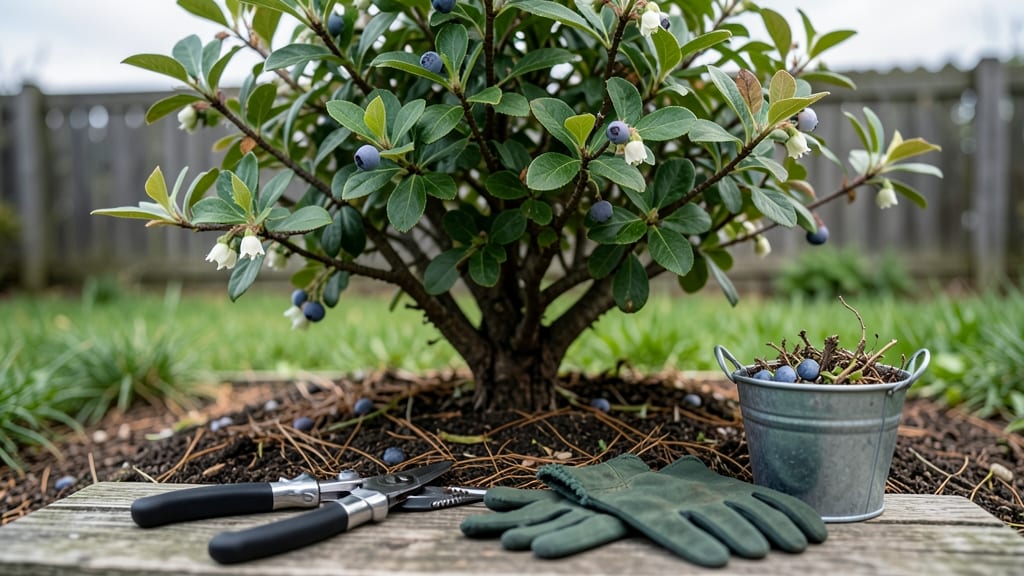
Spring pruning blueberry bushes in early April—right as buds swell but before leaves burst—is the secret to doubling your harvest. 🌿 I’ve pruned my bushes for years, and this timing change alone boosted my yield from a few pints to buckets of berries.
The key isn’t just cutting; it’s knowing where to cut to encourage strong new growth where fruit forms.
You’ll need just three tools: sharp bypass pruners, loppers for thicker stems, and a small rake for cleanup. Focus on three cuts: removing dead wood, thinning crowded branches, and shaping the bush to let sunlight reach the center.
Over-pruning is the biggest mistake—never take more than one-third of the plant at once, or you’ll stress it just as it’s waking up for spring.
After pruning, your bushes will reward you with thicker canes and more fruit clusters by summer. The pruned areas heal quickly, and you’ll notice fewer pests hiding in dense growth. Mulch lightly around the base to protect roots, and water deeply once a week to help recovery.
This method works for both highbush and rabbiteye varieties, whether you’re in Zone 5 or 8. The only rule? Prune when you see buds swelling but before leaves unfurl—timing is everything. Your bushes will thank you with juicy berries all season long.
📚 In This Guide
- What you need
- Instructions
- Tips and common mistakes
- Wrapping up and next steps
What you need
- ● Pruning shears: Bypass pruners (sharp, 5–7" blades) for clean cuts on smaller branches. Quantity: 1 pair.
- ● Loppers: Heavy-duty (8–12" blades) for thicker branches (½"–1.5" diameter). Quantity: 1 pair.
- ● Hand saw: Pruning saw with a fine-tooth blade (for branches >1.5" thick). Quantity: 1.
- ● Disinfectant: 70% isopropyl alcohol or rubbing alcohol to sterilize tools between cuts. Quantity: Small bottle.
- ● Gloves: Cut-resistant or heavy-duty gardening gloves (protects from thorns and sap). Quantity: 1 pair.
- ○ Pruning sealant: Optional but recommended (e.g., Tanglefoot Tree Wound Pruning Seal) for large cuts on older bushes. Quantity: Small tube.
- ● Weather check: Prune on a dry, cool day (avoid frost or extreme heat).
- ● Safety gear: Long sleeves/pants to protect from thorns and sap irritation.
- ○ Cleanup supplies: Garden bag or bucket for debris (optional but handy!).
- ● Blueberry bush age: Know if your bush is young (1–3 years) or mature (4+ years)—pruning techniques vary!
Step-by-Step guide to pruning blueberry bushes in spring
Here’s how to give your blueberries a fresh start—just three focused cuts can double your harvest.
🌿 Step 1: Remove Last Year’s Fruit Wood
Start by cutting out any branches that bore fruit last season. These are the thinnest, oldest stems with no new growth at the tips. They’ve already given their yield and won’t produce again, so removing them improves air circulation and lets sunlight reach younger branches.
Use clean, sharp pruners to make cuts just ¼ inch above a bud or lateral branch. Avoid leaving stubs—this prevents disease and encourages cleaner regrowth. If a branch is completely dead or diseased, cut it all the way back to the main trunk.
I like to work from the inside out, thinning crowded areas first. This ensures every remaining branch gets proper airflow. You’ll know you’re on track when you see open space between branches and healthier-looking wood at the center of the bush.
✂️ Step 2: Thin Out Overcrowded Branches
Next, focus on branches that are too close together or crossing each other. These compete for nutrients and often produce smaller berries. Look for three to five main branches that form the bush’s skeleton—these should be evenly spaced and about pencil-thick.
Remove any branches growing inward or rubbing against others. Cut these back to the main trunk or a strong lateral branch. For water sprouts (thin, vertical shoots), snip them off completely—they drain energy from fruit production.
Real talk: If you’re unsure which branches to keep, prioritize the thickest, most vigorous ones. These are the workhorses of your bush. After pruning, step back and admire the open, vase-like shape—that’s your goal.
☀️ Step 3: Shape for Sunlight and Airflow
Now, shape the bush to let sunlight reach the center. Start by cutting back any branches that are too long or flopping outward. Shorten these by one-third to one-half, making cuts just above a bud facing outward. This encourages bushier growth and more fruit clusters.
For young bushes under 3 years old, avoid heavy pruning—just remove dead wood and shape lightly. Mature bushes (4+ years) can handle more aggressive cuts. After pruning, the bush should look balanced and open, with no dense clusters of branches.
Here’s the thing—blueberries thrive when they get 6-8 hours of sunlight daily. If your bush is shaded, prune to remove any branches blocking light from reaching the center. You’ll see new growth filling in those gaps within a few weeks.
⏰ Step 4: Clean Up and Monitor
After pruning, rake up and dispose of all clippings—don’t leave them near the bush, as they can harbor pests and diseases. Sterilize your pruners with rubbing alcohol between cuts to prevent spreading pathogens.
Water the bush deeply right after pruning to help it recover. Mulch around the base with 2-3 inches of organic mulch (like pine straw or wood chips) to retain moisture and regulate soil temperature. Over the next few weeks, watch for new growth emerging from the buds—this is your reward for pruning.
Don’t panic if you see a few bare spots. Blueberries are resilient, and new branches will fill in over time. The key is consistency—prune every spring, and your bush will keep producing bigger, sweeter berries year after year.
Tips & tricks for pruning blueberry bushes in spring
These simple tricks will help you prune like a pro and set your blueberry bushes up for a bountiful harvest.
Bud Identification: When making cuts in Step 1, look for the tiny buds along branches—they're the future fruit clusters. Always cut just above a bud facing outward. I learned this the hard way after accidentally cutting too close to buds and leaving ugly scars on the branches. These buds are your blueprint for next year's harvest, so treat them with care!
Timing Secret: The 6-8 hours of sunlight mentioned in Step 3 isn't just about light—it's about timing your pruning. Do this when your bush is dormant (late winter to early spring) before buds swell. This gives branches time to heal before growing season kicks in. I prune mine right after the last frost but before any leaves appear, and my bushes bounce back stronger every year.
Tool Tip: Don't just use any pruners—get a pair with bypass blades for clean cuts. I keep a small bottle of rubbing alcohol handy to sterilize between cuts (as mentioned in Step 4). This prevents spreading fungal diseases that can weaken your bush. For thicker branches, I use loppers with a 6-inch blade—they give me the leverage I need without straining my wrists.
Visual Cue: After pruning, your bush should resemble an open vase shape with branches spreading outward. This isn't just for looks—it maximizes sunlight exposure and air circulation. Stand back and take a photo before and after pruning. The before-and-after difference is always impressive, and it helps you see where you might have missed spots during the process.
Pro Tips for Pruning Blueberry Bushes In Spring
- These simple tricks will help you prune like a pro and set your blueberry bushes up for a bountiful harvest.
- Bud Identification: When making cuts in Step 1, look for the tiny buds along branches—they're the future fruit clusters.
- Timing Secret: The 6-8 hours of sunlight mentioned in Step 3 isn't just about light—it's about timing your pruning.
Frequently asked questions
Got questions about pruning blueberry bushes in spring?
You’re not alone! Here are some of the most common concerns—plus clear, actionable answers to keep your bushes thriving.
When is the exact best time to prune blueberry bushes in spring?
Prune after the last frost but before new growth starts—typically late March to early April in most regions. Avoid pruning too early (risk of frost damage) or too late (stresses the plant). Look for swollen buds as your cue!
What if I missed spring pruning? Can I still do it in summer or fall?
Yes, but with caution! Lightly shape bushes in summer (after harvest) to remove dead wood, but avoid heavy cuts. Fall pruning is riskier—stick to removing only diseased or dead branches before winter dormancy. Never prune in late fall (invites pests/disease).
Will pruning reduce my blueberry harvest this year?
Not if done right! Pruning encourages bigger yields long-term by improving airflow and sunlight. You might see a slight dip in year 1, but healthy bushes rebound with more berries per branch in years 2–3. Think of it as an investment!
How do I tell the difference between old wood and new growth?
Old wood is thick, woody, and brown (often with horizontal scars from old fruit clusters). New growth is thinner, green, and flexible (emerges from buds). Pro tip: Never cut new canes—they’re your future fruit producers!
What if my blueberry bush looks sad after pruning?
Don’t panic! A "shocked" look is normal for 2–3 weeks. Ensure the bush gets 1–1.5 inches of water weekly and a balanced fertilizer (high in nitrogen for recovery). If leaves yellow or wilt, check for over-pruning or pests (like spider mites).
Bonus Tip:
Use disinfectant (70% rubbing alcohol) to clean pruners between cuts—prevents spreading fungal diseases like mummy berry. Happy pruning!
Wrapping up and next steps
Pruning your blueberry bushes in spring isn’t just about tidying up—it’s a game-changer for bigger, healthier harvests! 🌱 By focusing on removing dead wood, thinning crowded canes, and shaping for airflow, you’re setting the stage for a bountiful season.
With the right tools and a little patience, you’ll be rewarded with juicier berries and stronger plants.
Ready to roll up your sleeves? Grab your pruners and start clipping! For extra confidence, bookmark this guide or jot down your notes—then watch your blueberry patch thrive. Happy pruning! 🌟