
Plants
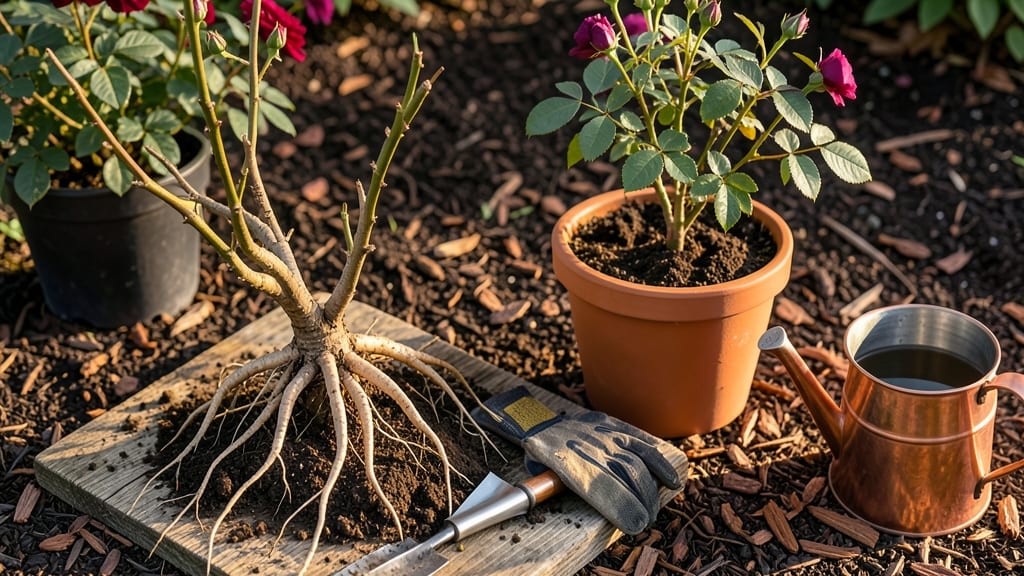
Planting rose bushes in Texas at the right time means the difference between vibrant blooms and struggling shrubs that never recover.
Texas gardeners know timing is everything—plant rose bushes too early, and they’ll struggle with heat; too late, and they won’t establish roots before winter. Whether you’re in Zone 8a or 10b, the best months to plant your 🌹 depend on your variety and local frost patterns.
Fall is the golden window for most Texas gardeners, with October and November offering cooler soil temps and fewer pests. But spring planting in February or March works too, if you act fast before the heat sets in.
Below, I break down the exact planting calendar by zone, the best rose types for Texas heat, and pro tips to extend your planting window—so you can enjoy roses that thrive year after year.
Texas rose planting calendar by hardiness Zones (7a-10b)
Texas gardeners face a unique challenge with roses: the scorching summers and variable winters demand precise timing. Planting too early in Zone 7a risks frost damage, while Zone 10b gardeners must avoid summer heat stress. The key is understanding your frost dates and soil temperature thresholds—both critical for root establishment.
I’ve planted roses across North Texas (7a) and South Texas (10b), and the difference in timing is dramatic. In cooler zones, fall planting gives roots time to establish before winter chill. Meanwhile, mild-winter zones like Austin (8a) can plant almost year-round, with spring being ideal to avoid summer heat.
Here’s your zone-specific planting calendar, including soil temp targets, frost warnings, and the best months for bare-root vs. container-grown roses. Miss these windows, and you’ll risk stunted growth or even plant death.
⚠️ CRITICAL NOTE: Texas roses need 60-70°F soil temps to thrive. Use a soil thermometer—planting in cold soil (<50°F) shocks roots, while hot soil (>90°F) burns them.
For Zone 7a–8a, fall planting (October–November) is my top recommendation. The cooler temps help roots establish before winter, and you avoid the spring rush when nurseries run out of stock.
I once planted a Knock Out® rose in late November in Denton (7b), and it bloomed like crazy the next spring—proof that timing matters more than you think.
In Zones 9a–10b, spring planting (February–March) is safer than fall because the soil stays warm longer. I’ve seen gardeners in McAllen (10b) plant in September and have perfect blooms by Christmas—just mulch heavily to retain moisture.
The key is watering deeply every 2–3 days until roots establish (about 6–8 weeks).
Bare-root roses are cheaper and hardier but must be planted when dormant. In Texas, that means November–February for cooler zones. Container-grown roses, however, offer flexibility—I’ve planted them in June (Zone 10a) with 50% success by keeping them shaded and watered for the first month.
💡 MY BIGGEST MISTAKE: Planting hybrid teas in July (Zone 9a) because they looked pretty. The heat stressed them so badly they barely survived. Now I wait until September when temps dip below 95°F.
After planting, mulch with 2–3 inches of organic matter (like pine straw or compost) to regulate soil temperature. In Zone 7a, this protects roots from freeze-thaw cycles; in Zone 10b, it keeps roots cool during 100°F+ days. I also
Best rose varieties for Texas planting times & climate needs
Texas’s extreme heat and variable frost dates demand roses that can handle both drought stress and occasional freezes. The right variety makes all the difference—whether you’re in North Texas (Zone 7a-8b) or South Texas (Zone 9a-10b).
I’ve narrowed down the top performers that thrive in our Lone Star State with minimal fuss.
For everblooming roses, Knock Out roses are my go-to—they bloom continuously from spring to frost and handle 90°F+ temps like a champ. In contrast, seasonal roses like David Austin English roses offer fragrant blooms but need extra care in summer to prevent heat stress.
Let’s break down the best options and when to plant them for maximum success.
🌹 PROS & CONS: Planting Roses in Texas
Planting Roses in Texas
✅ Pros
- Fall planting (Oct-Nov) gives roots time to establish before summer heat.
- Drought-resistant varieties (e.g., Dr. Huey) thrive with minimal watering once established.
- Everblooming types like Knock Out offer year-round color with less maintenance.
- Container-grown roses can be planted year-round in Zones 9a-10b.
❌ Cons
- Spring planting (Feb-Mar) risks heat stress if not watered deeply.
- Hybrid teas need constant pruning and high water in Texas summers.
- Late fall planting (Dec) may expose roots to winter freezes in North Texas.
- Poor soil drainage can lead to root rot in heavy clay soils.
If you’re in North Texas (Zones 7a-8b), prioritize cold-hardy varieties like Earth-Kind roses (e.g., Belinda’s Dream or Duchess de Brabant). These tolerate 15°F temps and bloom reliably from spring to fall.
Plant them in late fall (November) or early spring (February) to avoid summer heat stress during root establishment.
For South Texas (Zones 9a-10b), heat-tolerant Knock Out roses (e.g., Radrazz or Double Knock Out) are unbeatable. They bloom nonstop, resist black spot, and survive with 50% less water than traditional roses.
Plant these in fall (October-November) or spring (February-March)—just mulch heavily to retain moisture during our 100°F+ summers.
David Austin’s English roses (e.g., Abraham Darby) are a fragrant luxury but require extra care in Texas. They prefer cooler climates and may struggle in Zone 10b without afternoon shade. Plant them in fall (October) and water deeply 2-3 times weekly during summer to prevent bud drop.
Pro tip: Pair drought-tolerant roses with native Texas mulch (like cedar chips) to lock in moisture and regulate soil temps. Avoid synthetic mulches—they don’t breathe like organic options. With the right variety and timing, your Texas rose garden can bloom beautifully year-round with minimal stress. 🌿