
Plants
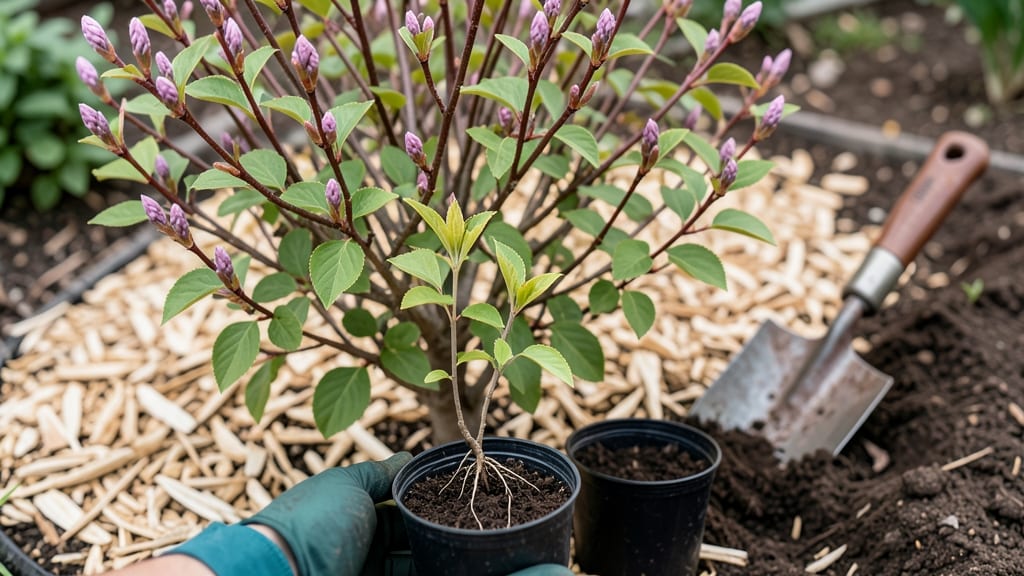
Planting bushes in spring is all about timing—get it right, and you’ll have a thriving landscape by summer. 🌿 The key is waiting until after your last frost date, when soil temperatures hit at least 60°F, and new growth appears on nearby trees.
In most zones, that means mid-April to early May, but evergreens and tender varieties need even warmer soil to avoid shock.
Start by amending the soil with compost for better root establishment, then water deeply before planting. Container-grown bushes can go in slightly earlier, while bare-root types wait until buds swell. The first few weeks are critical—keep soil moist but not soggy, and avoid fertilizing until new growth appears.
Mistakes like planting too early (frost damage) or too late (stunted growth) are easy to avoid with this simple rule: when the soil warms, the bushes are ready.
📚 In This Guide
- What you need
- Instructions
- Tips and common mistakes
- Wrapping up and next steps
What you need
- ● Bushes: Choose 3–5 healthy nursery-grown bushes (size depends on variety—typically 1–3 gallons for mature plants).
- ● Garden gloves: 1 pair (nitrile or leather for durability).
- ● Trowel or hand shovel: 1 (for digging small holes).
- ● Garden fork or spade: 1 (for loosening soil).
- ● Measuring tape or ruler: 1 (to ensure proper spacing—check plant tags for guidelines).
- ● Compost or organic fertilizer: 1–2 bags (5–10 lbs, depending on soil quality).
- ● Mulch: 1–2 bags (3–4 cubic feet, shredded bark or pine straw).
- ● Watering can or hose with nozzle: 1 (for gentle hydration).
- ● Soil test kit: 1 (to check pH and nutrient levels—ideal range: 6.0–7.0 for most bushes).
- ● Plant support stakes: 2–4 (for taller or top-heavy bushes).
- ● Pruning shears: 1 (for trimming dead branches post-planting).
- ● Drip irrigation system: 1 (for consistent moisture, especially in dry climates).
- ● Plant tags or markers: 10+ (to label varieties and track growth).
Instructions: planting bushes at the perfect spring moment
Timing matters more than you think—plant too early and frost will kill them, too late and summer heat stresses roots.
📅 Step 1: Determine Your Climate Zone and Last Frost Date
First, find your USDA hardiness zone (check the USDA Plant Hardiness Zone Map) and note your average last frost date. I always mark mine on my calendar with a bright red pen—this is your planting deadline. For most bushes, aim to plant 2-4 weeks before that date in zones 5-8. In colder zones (3-4), wait until 2 weeks after last frost when soil reaches 50°F.
Here's the thing—soil temperature matters more than air temperature. Stick your finger 4 inches deep; if it feels cool but not icy, it's ready. I test mine every morning until I get that telltale "just warm enough" feeling. For zones 9-11, plant in early spring (February-March) to avoid summer heat stress.
🌱 Step 2: Prepare the Planting Site Before Transplanting
Dig a hole twice as wide as the root ball but only as deep. Bush roots need room to spread horizontally, not downward. I always loosen the sides with a garden fork—this prevents soil compaction that can strangle new roots. Mix the native soil with 2-3 inches of compost (from your prepared materials) at the bottom of the hole.
Don't amend the entire hole—just the bottom 6 inches. Too much organic matter in the center can cause roots to rot. Water the hole thoroughly 24 hours before planting so the soil settles properly. You'll see the sides firm up slightly—that's your signal the hole is ready.
☀️ Step 3: Plant Bushes on a Cool, Cloudy Day
Choose a day when temperatures stay below 75°F—ideal conditions are 50-65°F with light cloud cover. I always check the weather forecast for 3 days ahead to avoid planting during heatwaves. Remove the bush from its container and gently tease apart any circling roots with your fingers.
Place the bush in the hole so the top of the root ball sits 1 inch above soil level. This prevents settling that could bury the stem later. Backfill with native soil (not amended mix) and water deeply until moisture reaches 6 inches down. You'll know it's enough when water pools slightly at the surface but drains within 10 minutes.
💧 Step 4: Mulch and Water Consistently for First 6 Weeks
Spread 2-3 inches of mulch (from your prepared materials) around the base, keeping it 3 inches away from the stem. This conserves moisture and regulates soil temperature. Water 2-3 times weekly until new growth appears—that's your signal the roots have established. I use a soaker hose for 30 minutes per session to encourage deep rooting.
Watch for wilting leaves—this is your cue to water immediately. Overwatering now is worse than underwatering; soggy soil invites root rot. After 6 weeks, reduce watering to once weekly unless your area experiences 3+ days of 90°F+ heat. Bushes planted at the right time with proper care will show new leaves within 4-6 weeks**—that's when you know you've done it right.
Tips & tricks for perfect spring bush planting timing
Mastering the right timing for spring bush planting can make all the difference between thriving plants and struggling ones. Here's what I've learned from years of trial and error in my own garden.
Climate Zone Precision: The 2-4 weeks before your last frost date is your sweet spot for zones 5-8, but don't just check the calendar—actually test your soil temperature at 4 inches deep. I've planted too early when the soil was still icy, and the bushes just didn't take. That finger test is your best friend for knowing when the ground is truly ready. In colder zones (3-4), wait until after frost when soil hits that crucial 50°F mark.
Weather Watching: Planting on a cool, cloudy day with temperatures below 75°F is ideal, but I've made the mistake of rushing during warm spells. Always check the 3-day forecast—those sudden heatwaves can stress newly planted bushes. I now wait for that perfect 50-65°F range with light cloud cover, which gives the plants the best start. Pro tip: Morning planting is best because afternoon heat can evaporate moisture too quickly.
Root Ball Preparation: The 24 hours before planting when you water the hole is crucial for settling the soil. I've seen too many people skip this step and end up with uneven planting depths. After watering, check that the sides firm up slightly—that's your signal the hole is ready. And when you plant, make sure the root ball sits 1 inch above soil level. This prevents settling that could bury the stem later and cause rot.
Watering Wisdom: Those first 6 weeks are critical for establishing roots, but I've learned the hard way that overwatering is just as bad as underwatering. The 2-3 times weekly watering should be deep—30 minutes with a soaker hose gets moisture down to 6 inches where the roots need it most. Watch for wilting leaves as your cue to water immediately, but don't let the soil stay soggy. After 6 weeks, you can ease back to weekly watering unless you're facing heatwaves above 90°F.
Pro Tips for When To Plant Bushes In Spring
- Mastering the right timing for spring bush planting can make all the difference between thriving plants and struggling ones.
- Climate Zone Precision: The 2-4 weeks before your last frost date is your sweet spot for zones 5-8, but don't just check the calendar—actually test your soil temperature at 4 inches deep.
- Weather Watching: Planting on a cool, cloudy day with temperatures below 75°F is ideal, but I've made the mistake of rushing during warm spells.
Frequently asked questions
Got questions about the best time to plant bushes in spring? You’re not alone! Here are some of the most common queries—and straightforward answers—to help you get started with confidence.
When is the exact best time to plant bushes in spring?
The ideal window depends on your climate zone, but generally, aim for after the last frost date and before the summer heat sets in (usually 4–6 weeks before peak summer temps). For most regions, late April to early June works well. Check your local frost dates for precision!
Can I plant bushes too early in spring?
Yes—planting too early (before the soil warms or after a late frost) can stunt growth or even kill young bushes. If you’re eager to start, prep the soil early (amend with compost, loosen roots) but wait to plant until temperatures are consistently above 50°F (10°C) at night.
What if I miss the spring planting window?
Don’t panic! Many bushes tolerate fall planting (4–6 weeks before the first frost), which can be even better in some climates. For container-grown bushes, you can plant anytime the ground isn’t frozen, though summer heat may stress them. Just water deeply and mulch well.
My bush leaves are yellowing after planting—what went wrong?
Yellowing leaves often signal overwatering, poor drainage, or transplant shock. Ensure the hole is twice as wide as the root ball and backfill with native soil (not amended mix). Water deeply but infrequently (1–2 inches per week) and avoid fertilizing for 4–6 weeks post-planting.
Are there bushes that can’t be planted in spring?
A few, like hydrangeas and azaleas, prefer fall planting in warmer climates (Zones 7–9) to establish roots before summer. For spring planting, choose drought-tolerant varieties (e.g., butterfly bush, boxwood) or opt for container-grown bushes that adapt better to heat.
Wrapping up and next steps
Timing is everything when it comes to planting bushes in spring—whether you're in a cool, temperate, or warm climate zone, knowing the right window ensures healthy growth and vibrant blooms. 🌱 From late winter to early spring (or even fall, for some varieties), your local frost dates and soil conditions are your best guides.
Don’t overthink it: prepare your soil, choose the right plants, and act with confidence!
Now that you’re armed with the perfect timing and tips, it’s time to roll up your sleeves and get planting. Grab your gloves, mark your calendar, and watch your garden transform into a lush, thriving oasis. Happy gardening! 🌿