
Planting
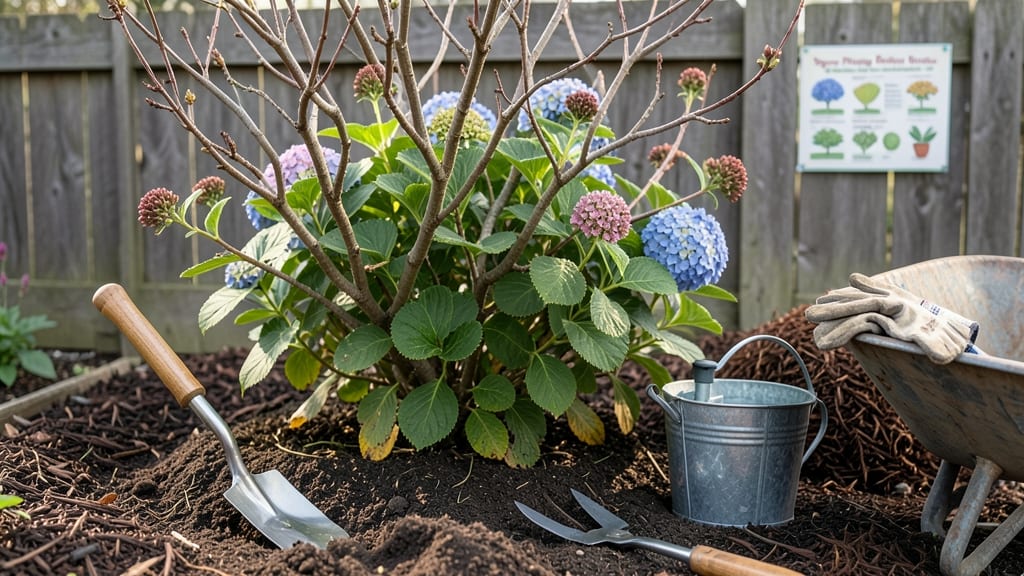
The best time to transplant hydrangea bushes is during early spring (March–April) or late fall (October–November), when soil temperatures are mild, workable, and the plants are either dormant or actively growing without stress from extreme heat or frost.
Timing matters because hydrangeas thrive when they can focus energy on root establishment rather than blooming or surviving harsh conditions. 🌿 In spring, the soil warms up gradually, allowing roots to spread before summer heat arrives, while fall gives plants a head start on winter dormancy.
I’ve found that transplanting in these windows—when daytime temps stay above 50°F but nights don’t drop below 40°F—gives hydrangeas the best chance to recover quickly. Just avoid transplanting during peak bloom or extreme weather, as these stress the plant unnecessarily.
For those in warmer climates (USDA zones 8–10), late fall might feel risky due to early frosts, but the key is choosing a window 6–8 weeks before your first frost date. In colder regions (zones 3–7), early spring is safer because the ground thaws faster than it freezes again.
Always check your local frost dates and soil conditions—this makes all the difference in transplant success.
💡 In This Article
- Hydrangea Growth Stages and Transplanting Conditions
- Step-by-Step Hydrangea Transplanting Guide by Season
Hydrangea growth stages and transplanting conditions
Hydrangeas follow a precise growth cycle that directly impacts transplant success. In early spring, as temperatures rise above 50°F, the plant emerges from dormancy and begins active root growth before new shoots appear.
This is your golden window because the roots can establish themselves without competing with summer heat or the plant's energy demands for blooming.
Think of it like giving your hydrangea a head start on its growing season—roots spread aggressively when soil temperatures hover between 55-65°F, which happens naturally in March-April in most regions.
The late fall option works because hydrangeas enter dormancy when days shorten and temperatures drop below 60°F consistently. During this period, the plant conserves energy, making it less stressed by the transplanting process.
The roots remain semi-active enough to begin settling into their new location, but the plant isn't expending energy on foliage or flowers.
This is particularly beneficial in zones 5-7 where winters are harsh—transplanting in October-November gives roots time to establish before ground freezes, similar to how trees planted in fall benefit from winter's natural watering effect from snow.
Soil temperature is the critical factor you can't ignore. Use a soil thermometer to verify conditions—hydrangeas struggle when soil temps exceed 75°F or drop below 40°F. In my experience, the 6-8 week rule before first frost is non-negotiable for fall transplants.
For example, in zone 6 where first frost typically arrives November 15, aim for early October transplanting. This timing ensures roots have 60-75 days to establish before dormancy sets in, which is exactly what hydrangeas need to survive winter.
Climate zones play a massive role in determining which window works best for you. In southern regions (zones 8-10), late fall might mean transplanting in September to avoid early winter rains or heatwaves. Meanwhile, northern gardeners (zones 3-4) should wait until May when soil thaws completely.
The key is matching your transplant timing to your local last frost date—this ensures you're not catching your hydrangea in a vulnerable state during sudden temperature swings that can shock the plant system.
What most gardeners overlook is how hydrangea varieties respond differently. Bigleaf hydrangeas (Hydrangea macrophylla) are more forgiving with their transplant windows, while panicle types (Hydrangea paniculata) actually prefer late spring transplanting because they bloom on new wood.
This variety-specific timing explains why some gardeners have better luck in one season over another—it's not just about climate but also about matching the plant's natural growth patterns to your intervention.
Consider this analogy: transplanting is like moving house. You wouldn't move during peak summer heat or winter storms—you choose a mild season when the weather cooperates. For hydrangeas, early spring and late fall provide that perfect balance of mild temperatures, workable soil, and minimal stress on the plant's energy reserves.
The result? A thriving bush that establishes strong roots and blooms beautifully the following year. 🌸