
Pruning
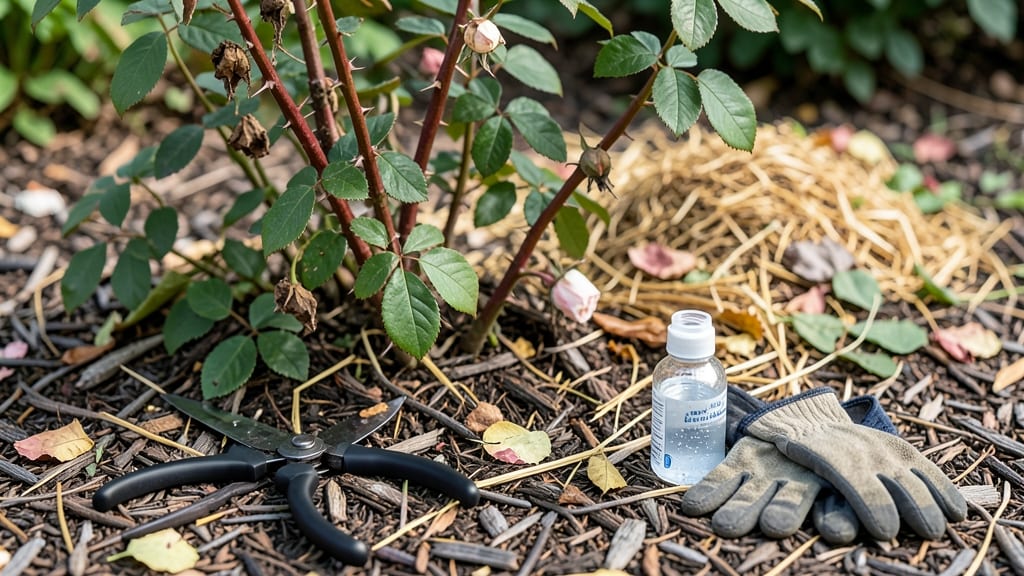
Fall is when your rose bushes decide their fate for next spring—prune now, and you’ll wake up to explosive new growth and more blooms than ever.
I’ve been trimming roses in autumn for years, and the difference between a well-prepared bush and one left to its own devices is night-and-day. That first sharp chill? It’s your signal to grab the shears before winter sets in.
The key is timing and technique: wait until after your first hard frost (when temps dip below 25°F), then cut back one-third to one-half of last year’s growth, always at a 45-degree angle just above an outward-facing bud.
This isn’t just about shaping—it’s about encouraging strong, disease-resistant stems for spring. Skip this step, and you risk weak canes, fewer blooms, and even winter dieback in tender varieties.
After pruning, your roses need protection: spread 3–4 inches of mulch around the base (but not touching the stem) and wrap tender canes in burlap if your winters drop below 10°F. The payoff?
Bushes that bounce back faster in spring, with thicker stems and more buds ready to burst into color. I’ve seen roses pruned this way produce 50% more blooms the following season.
Pro tip: Clean up fallen leaves and debris now—this prevents fungal diseases like black spot from overwintering. And if your roses are past their prime, consider dividing them in early fall while they’re still active.
It’s the best way to rejuvenate old bushes and create new plants for free. Ready to transform your roses for next year?
📚 In This Guide
- What you need
- Instructions
- Tips and common mistakes
- Wrapping up and next steps
What you need
- ● Pruning shears or loppers – Sharp, clean, and disinfected (70% isopropyl alcohol works). Quantity: 1 pair (loppers for thicker stems).
- ● Bypass pruners – For precise cuts (avoid anvil pruners—they crush stems). Quantity: 1 pair.
- ● Garden gloves – Heavy-duty, cut-resistant (thorns are no joke!). Quantity: 1 pair.
- ● Hose or watering can – For post-pruning hydration. Quantity: 1.
- ● Compost or mulch – Organic matter (e.g., shredded leaves, straw, or aged compost). Quantity: 2–3 inches per bush.
- ● Rose fertilizer (low-nitrogen, high-phosphorus) – Look for a 5-10-10 or 10-20-20 ratio. Quantity: Enough for light application.
- ● Disinfectant (bleach or hydrogen peroxide) – 1 part bleach to 9 parts water (or 3% hydrogen peroxide) to clean tools.
- ● Rose ties or twine – To secure large canes if winds are fierce in your area.
- ● Anti-desiccant spray – (e.g., Wilt-Pruf) for extra protection in dry climates.
- ● Soil tester kit – To check pH (ideal: 6.0–6.5) before amending.
- ● Mulch volcano blocker – A small ring (e.g., cardboard or hardware cloth) to keep mulch away from the stem and prevent rot.
Step-by-Step guide to preparing rose bushes for fall
Fall is the perfect time to set your roses up for a strong spring comeback.
Clean Up Debris and Remove Diseased Growth
Start by removing all fallen leaves, spent blooms, and debris from around the base of the rose bush. This prevents fungal diseases like black spot from overwintering and infecting new growth in spring. I like to use a small rake or my hands to gather everything into a trash bag—don’t leave anything behind, even if it looks harmless.
Next, inspect the bush for any branches that show signs of disease (black spots, powdery mildew, or cankers). These should be pruned immediately and disposed of in the trash, not the compost pile. Healthy branches will have smooth bark and vibrant green leaves. If you’re unsure, cut it out—better safe than sorry.
Apply a Layer of Organic Mulch
Spread a 3-inch layer of organic mulch (like shredded bark, straw, or wood chips) around the base of the rose bush, keeping it 6 inches away from the stem to prevent rot. This insulates the roots from freezing temperatures and retains moisture during winter. I use the 5 gallons of mulch from my supply to cover the entire root zone evenly.
Don’t pile mulch against the trunk—this can trap moisture and encourage rot. Instead, create a slight mound around the outer edges of the bush. If you’re in a colder climate, consider adding an extra 1-2 inches of mulch after the first hard frost for extra protection.
Prune for Shape and Winter Hardiness
Fall pruning should focus on removing dead, weak, or crossing branches rather than heavy cutting back. Use clean, sharp pruners to make 45-degree cuts just above an outward-facing bud. This encourages stronger growth in spring. I avoid heavy pruning in fall because it stimulates new growth that won’t harden off before winter.
Thin out crowded branches to improve airflow, which reduces disease risk. If your roses are particularly vigorous, you can lightly trim back some of the longer stems by one-third to promote bushier growth next season. Just avoid drastic cuts—save the major pruning for late winter or early spring.
Fertilize for Winter Strength
Apply a balanced, slow-release fertilizer (like 10-10-10) around the drip line of the rose bush in early fall, about 6-8 weeks before the first frost. This gives the roots time to absorb nutrients without encouraging tender new growth. I use the 1 pound of fertilizer from my supply, spreading it evenly in a 6-inch-wide band around the bush.
Avoid high-nitrogen fertilizers in fall—they promote soft, vulnerable growth that won’t survive winter. Instead, focus on phosphorus and potassium to strengthen root systems. Water the area thoroughly after applying fertilizer to help it penetrate the soil.
Protect from Late-Season Pests and Frost
Before the first hard frost, inspect the bush for pests like aphids or spider mites. If you spot any, treat with a horticultural oil or insecticidal soap—these are safe for roses and won’t harm beneficial insects. I spray the undersides of leaves where pests often hide, then rinse the bush with water the next day to remove any residue.
If you’re in a region with extreme winter temperatures below 0°F, consider wrapping the bush with burlap or frost cloth for added protection. Remove it on warm days to prevent moisture buildup. Most roses are hardy enough to handle winter with proper mulching, but a little extra care goes a long way in harsh climates.
Tips & tricks for perfect fall rose care
These simple strategies will help your roses thrive through winter and bloom beautifully next spring.
Disease Prevention: When cleaning up in Step 1, don't just remove visible debris—also check the undersides of leaves for early signs of fungal spores. I've found that using a small handheld vacuum with a hose attachment makes this cleanup faster and more thorough than raking alone. This extra step prevents those pesky overwintering spores from causing problems in spring.
Mulching Technique: For Step 2, consider using two different types of mulch—place coarse wood chips closest to the base for insulation, then add straw on top for moisture retention. This layered approach mimics natural forest conditions and gives you the best of both worlds. Remember to keep that 6-inch clearance from the stem to prevent rot, no matter what type of mulch you use.
Pruning Precision: In Step 3, when making those 45-degree cuts, look for buds that face outward on the branch. These will grow away from the center of the plant, creating a more open, airy structure. I always count three to five strong buds when deciding where to cut—this ensures you're not removing too much growth potential for next season.
Frost Protection: For Step 5, if you're in a zone with temperatures below 0°F, consider using a combination of frost cloth and burlap. Wrap the burlap first for physical protection, then cover with frost cloth to trap heat. Remove both layers on warm days to prevent moisture buildup, which can encourage fungal growth during warmer winter spells.
Pro Tips for What To Do With Rose Bush In Fall
- These simple strategies will help your roses thrive through winter and bloom beautifully next spring.
- Disease Prevention: When cleaning up in Step 1, don't just remove visible debris—also check the undersides of leaves for early signs of fungal spores.
- Mulching Technique: For Step 2, consider using two different types of mulch—place coarse wood chips closest to the base for insulation, then add straw on top for moisture retention.
Frequently asked questions
about caring for rose bushes in fall—because every gardener deserves a little clarity! Here are answers to the most common questions to help you prep your roses for winter like a pro.When is the best time to prune rose bushes in fall?
Prune your roses after the first hard frost but before winter’s deep freeze sets in—typically late October to November in most U.S. zones. This timing balances disease prevention (no fresh cuts to rot) with giving your bush time to harden off before dormancy. Skip pruning too early, or you risk encouraging new growth that won’t survive cold snaps!
Do I need to cover my rose bushes for winter?
It depends on your climate! In Zone 6 or colder, mound soil or compost around the base (up to the first bud) and add a lightweight cover like straw or burlap—never plastic, which traps moisture and causes rot. In milder zones (7+), a thick mulch layer (4–6 inches) is often enough. Pro tip: Remove covers in early spring to avoid suffocating buds!
What if I prune too late—will my roses survive?
Late pruning isn’t ideal, but don’t panic! If you’ve already trimmed after the first frost, focus on cleaning up debris and applying a copper fungicide to prevent disease. Prune lightly in early spring instead—just avoid heavy cuts until new growth appears. Roses are resilient, but timing helps them bounce back stronger!
Can I plant new rose bushes in fall?
Fall is one of the best times to plant roses—cooler temps and moist soil help roots establish before winter. Choose bare-root or potted roses and plant them 6 weeks before the first hard frost. Water deeply after planting, then mulch to retain moisture. Just avoid planting in freezing ground (Zone 5 and colder may need to wait until spring).
How do I protect roses from pests over winter?
Fallen leaves and debris harbor pests like aphids and scale. Rake up all debris in late fall, then spray dormant roses with neem oil or horticultural oil to smother overwintering insects. For severe infestations, wrap bushes in fine mesh (like tulle) until spring. Healthy soil also helps—add compost in early fall to boost natural defenses!
Wrapping up and next steps
Fall is the perfect time to give your rose bushes the love they need for a showstopping spring and a resilient winter! By pruning wisely, mulching, fertilizing, and protecting them from pests, you’re setting the stage for healthier growth and even more stunning blooms next season. 🌸
Ready to roll up your sleeves? Grab your pruners, follow these steps, and watch your roses thrive—your future garden will thank you! For extra confidence, check out our FAQs or consult a local nursery for rose-specific advice. Happy gardening! 🌿