
Blooming
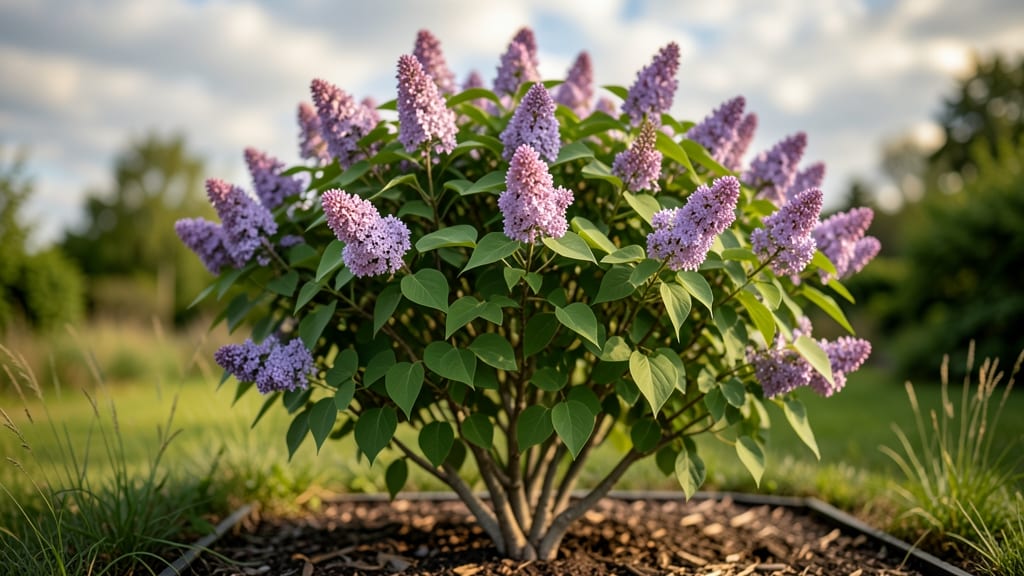
That first flush of emerging lilac bush growth looks like nature’s own neon sign—slender, arching branches bursting with bright green, finger-like leaves that practically glow in the spring light. 🌿 Before the iconic purple blooms steal the show, lilacs reveal themselves through their smooth, gray-brown bark and delicate, upright stems that feel almost too perfect to touch.
The leaves start small and fuzzy, then unfurl into those glossy, heart-shaped beauties that’ll soon perfume your yard.
The real giveaway? Look for those tiny, swollen buds—like little green teardrops along the stems—hinting at the floral fireworks to come. These buds are your early warning system: when they plump up and turn a pale pink, countdown to blooms begins.
Unlike other shrubs, lilacs hold their buds close to the stems in clusters, never scattered randomly.
Here’s how to tell them apart from wisteria or privet: lilacs grow in upright, rounded mounds, while wisteria drapes like a vine, and privet stays dense and compact.
Run your hand over the leaves—lilac foliage is slightly waxy, almost silky, with a faint vanilla scent when crushed (yes, even before blooming!).
Once you spot that first emerging flush of green, start your pruning prep: trim back any dead wood and shape the bush while it’s still dormant. The buds will thank you with weeks of fragrant blooms—and your neighbors will wonder how you knew they were coming.
📚 In This Guide
- What you need
- Instructions
- Tips and common mistakes
- Wrapping up and next steps
What you need
- ● Lilac bush (or access to one) – Choose a healthy specimen (common varieties like Syringa vulgaris or Syringa meyeri are great for beginners).
- ● Pruning shears or hand pruners – Sharp, clean tools (bypass pruners work best) to trim branches if needed. Size: 6–8 inches long, with a comfortable grip.
- ○ Gloves (optional but recommended) – Garden gloves (nitrile-coated for durability) to protect hands from thorns or rough branches.
- ● Notebook or camera – To sketch or photograph the bush’s early growth stages (helpful for comparison!).
- ○ Magnifying glass (optional) – For up-close inspection of buds, leaves, or bark details.
- ● Well-draining soil – Lilacs thrive in slightly alkaline soil (pH 6.0–7.0). Mix in compost or aged manure if your soil is heavy clay.
- ● Sunlight access – A full-sun location (6+ hours of direct sunlight daily) is critical for healthy growth.
- ○ Watering can or hose – Lilacs prefer moderate moisture; avoid waterlogging. A drip irrigation system (optional) helps maintain consistency.
- ● Fertilizer (balanced, 10-10-10 or similar) – Apply sparingly in early spring (follow package instructions).
- ○ Mulch (optional) – 2–3 inches of organic mulch (e.g., wood chips) to retain moisture and suppress weeds.
- ● Slender, opposite branching (leaves grow in pairs along the stem).
- ● Emerald-green, oval leaves (3–6 inches long, slightly pointed).
- ● Bud clusters at the ends of branches (tight, rounded, and slightly fuzzy).
- ● Bark texture – Young stems are smooth; mature bark develops a shaggy, exfoliating appearance.
How to identify a young lilac bush before its first blooms
Here's how to spot those delicate green shoots that will soon burst into fragrant purple clouds.
🌱 Step 1: Examine the Overall Growth Habit
Lilac bushes start as multi-stemmed shrubs with slender, upright branches that grow in clusters. The stems are smooth and slightly hairy when young, with a reddish-brown hue that fades to grayish-brown as they mature. You'll notice opposite branching—each new growth emerges directly across from the previous one, creating a symmetrical framework.
The leaves are the real giveaway. Before blooming, lilacs produce emerging green shoots that unfurl into simple, oval-shaped leaves about 2-4 inches long. These leaves are smooth-edged with a pointed tip, and their surface feels slightly waxy when young. The veins form a delicate network, but they're not the prominent, feathery pattern you'd see in maple leaves.
🌿 Step 2: Check for Bud Development
Look closely at the leaf axils (the area where leaves meet the stem). In late winter or early spring, you'll spot small, elongated buds that are greenish-brown in color. These are your future blooms, but they're currently dormant. They'll swell noticeably in late April to early May, depending on your climate zone, before bursting into their signature fragrant flowers.
Here's the thing—these buds are not fuzzy like some other spring bloomers. They're smooth and slightly tapered, resembling tiny green cigars before they open. If you see fuzzy buds, you're probably looking at a different shrub like a magnolia or crabapple.
☀️ Step 3: Assess the Leaf and Stem Characteristics
New lilac growth emerges from terminal buds at the tips of branches. The stems grow quickly in spring, sometimes shooting up 6-12 inches in just a few weeks. These stems are flexible but sturdy, not brittle like willow branches. You'll notice small, raised lenticels (tiny white or light brown dots) along the stems—these are breathing pores that help the plant exchange gases.
The leaves are another key identifier. Young lilac leaves emerge cupped and reddish before unfolding to their mature deep green color. They grow in opposite pairs along the stems, creating that classic symmetrical look. If you see alternate leaf arrangements (one leaf per node), it's not a lilac.
⏰ Step 4: Time Your Observation Correctly
Lilacs go through distinct growth phases before blooming. In early spring, you'll see new green shoots emerging from last year's wood. By late spring, these shoots will have fully unfurled leaves and those telltale flower buds swelling at the ends. The buds will double in size over 2-3 weeks before opening.
Real talk—you can't identify a lilac from its winter branches alone. The buds are the key. If you see no buds in late winter, it's not a lilac bush. The buds are your roadmap to blooming season, and they'll appear before the leaves fully mature. Watch for them in February to March in most climates.
Tips & tricks for identifying young lilac bushes before blooming
These subtle clues will help you spot lilac bushes early—before the flowers even appear.
Leaf Arrangement Matters: The opposite branching pattern is your most reliable clue. Unlike many shrubs that grow leaves alternately along stems, lilacs produce pairs of leaves directly across from each other. This symmetrical arrangement creates that classic "V" shape when viewed from above. In Step 1, when examining the overall growth habit, focus on this pattern—it's the first thing that sets lilacs apart from similar-looking shrubs.
Bud Timing is Critical: The buds mentioned in Step 2 appear earlier than you might expect—in late winter or early spring. Don't wait until spring to check! If you're in a temperate climate, start looking in February. The buds will be small and greenish-brown, but they're already holding the promise of those fragrant purple blooms. I've seen gardeners miss identification entirely by waiting too long—those buds double in size over just 2-3 weeks, so timing is everything.
Stem Texture Reveals Age: Young lilac stems have a distinctive texture that changes as they mature. In Step 3, you'll notice the stems are smooth but slightly hairy when new, with a reddish-brown hue. As they age, this fades to grayish-brown. Run your fingers along the stems—lilacs feel flexible but sturdy, not brittle like willow or weeping branches. This texture is your secret weapon for distinguishing young lilacs from other spring shrubs.
Climate Zone Adjustments: The timing mentioned in Step 4 varies by zone. In colder regions, buds may not appear until March, while warmer climates might see them in February. If you're unsure about your zone, check for those tiny green cigar-shaped buds—this is the definitive sign. I've identified lilacs as early as January in southern climates, while northern gardeners should wait until late February or March. The buds are your most reliable indicator regardless of location.
Pro Tips for What Does A Lilac Bush Look Like Before It Blooms
- These subtle clues will help you spot lilac bushes early—before the flowers even appear.
- Leaf Arrangement Matters: The opposite branching pattern is your most reliable clue.
- Bud Timing is Critical: The buds mentioned in Step 2 appear earlier than you might expect—in late winter or early spring.
Frequently asked questions
about lilac bushes before they bloom—because curiosity deserves answers!What does a lilac bush look like in early spring?
A lilac bush before blooming is a lush, deep green sight to behold! Its slender, zigzag branches (called "stems") emerge from the ground, covered in oval-shaped, slightly fuzzy buds. The leaves are simple, pointed, and arranged oppositely along the stems—think of them as tiny, glossy emeralds waiting to unfurl.
How long does it take for lilac buds to open into flowers?
Timing varies by climate and variety, but lilac buds typically take 2–4 weeks to bloom after emerging in spring. In warmer regions, they may open sooner (as early as late April), while cooler zones might see blooms in May or June. Patience is key—watch for buds to plump up and turn slightly pink or purple before they burst open!
Can I prune a lilac bush before it blooms?
Yes, but timing matters! Prune right after flowering (late spring/early summer) to avoid cutting off next year’s buds, which form on old wood. If you must prune before blooming, do so lightly—focus on removing dead, crossing, or overly dense branches to improve airflow. Never trim more than 1/3 of the bush at once!
What if my lilac bush has no buds or leaves before spring?
Don’t panic! Lilacs are dormant in winter, and buds may not be visible until late winter/early spring. If your bush is completely bare with no signs of life by March, check for:
- Frost damage: Wait a few weeks—new growth may still emerge.
- Over-pruning: Avoid cutting into old wood where buds form.
- Pests/disease: Look for borers, scale, or fungal spots on stems.
Are there lilac alternatives that bloom earlier?
If you love lilacs but want earlier color, try these spring-blooming shrubs:
- Forsythia: Bright yellow flowers in March–April; fast-growing and low-maintenance.
- Dwarf Lilac (e.g., 'Miss Kim'): Blooms 2–3 weeks earlier than standard lilacs.
- Weigela: Pink/red trumpet-shaped flowers in late spring.
- Deutzia: Delicate white/pink clusters in April–May.
Wrapping up and next steps
Before lilacs burst into bloom, they’re all about emerging elegance—those deep green, lance-shaped leaves and sleek, zigzagging branches that hint at the fragrant magic to come.
Whether you’re a gardener eager to spot early signs or just admiring nature’s quiet beauty, recognizing these pre-bloom clues makes the wait even sweeter. 🌱
Now that you know what to look for, why not plan your own lilac haven? Research the best varieties for your climate, or simply take a walk to hunt for these hidden gems in your neighborhood. Every budding branch is a promise of spring’s sweetest perfume! 🌸