
Plants
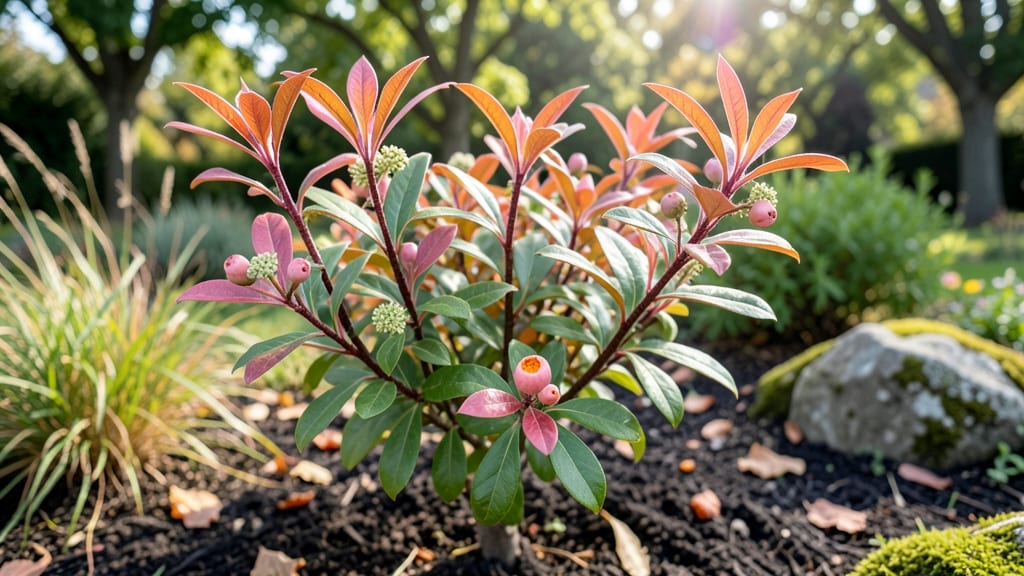
A burning bush shrub looks like a bold landscape statement with its fiery red-orange foliage that dominates fall and winter, glossy emerald leaves in summer, and graceful arching branches reaching 6-12 feet tall. The dense, multi-stemmed growth and distinctive smooth bark create its signature ornamental appeal.
A burning bush shrub gets its name from the dramatic color transformation that occurs each autumn. 🌿 The leaves shift from summer's rich green to vibrant shades of red, orange, and even purple due to anthocyanin pigments developing as daylight shortens.
This striking display makes it a standout in winter landscapes when most plants have faded. The shrub's upright growth habit and layered branches create natural privacy screens, while its smooth gray bark adds year-round texture.
The burning bush's leaf arrangement and branch structure set it apart from similar shrubs. Unlike sumac with its feathery leaflets or barberry with its spiny stems, the burning bush features simple, oval leaves with serrated edges that grow in opposite pairs along the stems.
Its dense, multi-stemmed form creates a full, rounded shape that's perfect for hedges or specimen planting.
💡 In This Article
- Distinctive Burning Bush Leaf Colors and Seasonal Changes
- How to Identify Burning Bush vs Similar Ornamental Shrubs
Distinctive burning bush leaf colors and seasonal changes
The burning bush's legendary color display begins with its summer foliage—deep green, glossy leaves that measure about 2-4 inches long with finely serrated edges. These leaves contain chlorophyll, but as daylight hours shorten in late summer, the plant starts producing anthocyanin pigments that dominate the leaf chemistry.
These water-soluble compounds create the fiery red-orange hues we associate with autumn foliage.
What makes the burning bush's fall colors particularly intense is its ability to maintain vibrant pigments even as temperatures drop.
Unlike many deciduous shrubs that fade to brown, the burning bush's leaves can stay vivid for 2-3 months through winter. 🌿 The chemical process involves the breakdown of chlorophyll combined with sugar accumulation in the leaves, creating an ideal environment for anthocyanin production.
In full sun, these colors appear most saturated, while shaded plants may develop more muted tones.
The leaf structure itself plays a key role in how these colors appear. Burning bush leaves have a slightly leathery texture with 5-7 prominent veins that create a subtle network visible from both sides.
When backlit by winter sunlight, these veins create a beautiful translucent effect that enhances the fiery hues. The leaves grow in opposite pairs along the stems, creating a uniform pattern that contributes to the shrub's neat, organized appearance throughout all seasons.
One fascinating aspect is how the burning bush's color changes correlate with its growth stages. Younger leaves in spring emerge with a lighter green hue that gradually darkens as they mature. This seasonal progression creates a beautiful gradient effect within the shrub's canopy.
The color transformation isn't just about aesthetics—it's also a survival mechanism that helps protect the leaves from photooxidative damage during temperature fluctuations.
For gardeners who want to maximize color impact, planting burning bush in full sun to partial shade yields the most dramatic results. The shrub's natural arching growth habit means these vibrant colors cascade beautifully, creating a living waterfall effect in winter landscapes.
When comparing to similar shrubs, the burning bush's color intensity typically outlasts others like sumac or viburnum, making it a reliable choice for seasonal interest.
What most people don't realize is that the burning bush's color display continues even after the leaves fall. The smooth gray bark becomes more visible in winter, providing year-round structure and texture that complements the seasonal foliage changes.
This bark has a distinctive pattern of horizontal lenticels that add subtle visual interest when the shrub is viewed from a distance.