
How To
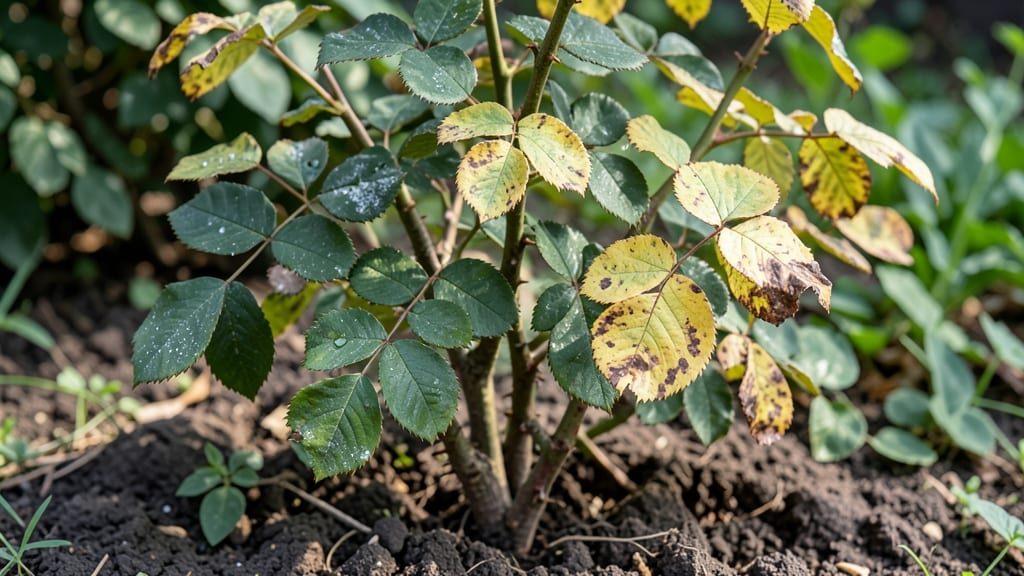
What causes rose bush leaves to turn yellow isn’t just an eyesore—it’s a clear sign your roses need attention. 🌿 I've seen everything from overwatered roots to hidden pests, and the fixes are simpler than you think.
The key is spotting the pattern: Is it yellowing between veins? Dropping leaves? Or covered in spots? Each clue points to a different problem, and knowing the difference saves your bushes.
Overwatering, nutrient deficiencies, and fungal diseases like black spot are the top culprits. I once thought my roses were thirsty—until I noticed the soggy soil and wilting stems.
The fix? Adjusting watering, testing soil pH, and applying fungicide before the spots spread. Even spider mites can cause yellowing, but their webbing gives them away.
You'll diagnose the issue by examining the leaves, checking the soil, and looking for pests. Once you know the cause, the solutions are straightforward: prune infected branches, adjust care routines, or introduce beneficial insects. Within weeks, your roses will bounce back with vibrant green leaves and more blooms.
This works for hybrid teas, floribundas, and shrub roses alike. Whether it's your first season or you've been gardening for years, these steps will get your roses thriving again. Let's turn those yellow leaves into a thing of the past.
The Hidden Triggers Behind Yellowing Leaves
Yellowing rose bush leaves aren’t just a cosmetic issue—they’re your plant’s way of signaling distress. Understanding the root causes (literally and figuratively) helps you act fast before the problem spreads. Below, we break down the science behind each trigger, so you can diagnose like a pro.
When roses get too much love (in the form of water), their roots suffocate.
Here’s why it happens: - Poor drainage forces roots to sit in soggy soil, cutting off oxygen. - Fungal infections (like Phytophthora) thrive in waterlogged conditions, clogging nutrient uptake. - Nutrient leaching occurs as excess water washes away essential minerals (like nitrogen and iron).
🔍 How to spot it:
- Yellow leaves with dark, mushy stems (a red flag for root rot).
- Soil that stays damp for days after watering.
✨ Fix it:
- Test soil moisture by sticking your finger 2 inches deep—water only if dry.
- Amend heavy clay soil with perlite or compost to improve aeration.
- Water deeply 2–3 times per week (early morning) instead of daily light showers.
Roses are thirsty plants, and neglecting their hydration stresses them out. Signs include:
- Crispy, yellow-edged leaves (a classic drought symptom).
- Wilting even when soil feels slightly moist (some roses hate dry spells).
- Stunted growth as the plant conserves energy.
🔍 How to spot it:
- Pull back mulch—topsoil is dry and pulls away from the pot/ground.
- Leaves feel paper-thin or brittle when touched.
✨ Fix it:
- Water slowly and deeply until it drains from the bottom (1–2 inches per week).
- Mulch heavily (2–3 inches of organic mulch) to retain moisture.
- Group roses together to create a microclimate that holds humidity.
Roses are tough, but sudden temperature swings can shock them:
- Heat stress (above 90°F/32°C) causes chlorosis (yellowing between veins) as chlorophyll breaks down.
- Cold damage (below 20°F/-7°C) disrupts cell membranes, leading to brown, yellow patches.
- Frost heave (freeze-thaw cycles) can uproot shallow roots, starving leaves of water.
🔍 How to spot it:
- Yellowing starts on sun-exposed sides (heat) or lower leaves (cold).
- Blistered or blackened leaf edges after a hard freeze.
✨ Fix it:
- Shade cloth (30–50%) during heatwaves to reduce stress.
- Windbreaks (burlap or evergreen screens) protect from cold drafts.
- Avoid late-season fertilizing—new growth is more frost-sensitive.
Yellowing leaves can be a biohazard—pathogens like black spot, powdery mildew, or *bacterial leaf spot thrive in roses.
Here’s how they attack: - Black spot (Diplocarpon rosae) blocks chlorophyll production, turning leaves yellow before they drop. - Powdery mildew coats leaves in a white film, suffocating cells and causing yellow patches. - Bacterial infections (like Pseudomonas) create water-soaked yellow spots with dark borders.
🔍 How to spot it:
- Yellow halos around dark spots (fungal).
- Sticky, yellowish residue (honeydew) from aphids spreading bacteria.
- Leaves curl or drop prematurely.
✨ Fix it:
- Prune infected leaves immediately (sterilize shears with rubbing alcohol).
- Copper fungicide (for bacteria) or neem oil (for fungi) applied at dusk to avoid burning leaves.
- Improve airflow by spacing plants 3–4 feet apart and pruning dense growth.
Yellow leaves often scream "Feed me!"—especially for these key nutrients: | Nutrient | Yellowing Pattern | Why It Happens | |--------------|----------------------|-------------------| | Nitrogen (N) | Entire leaf yellows (pale green/yellow) | N is the building block of chlorophyll—without it, leaves can’t photosynthesize. | | Iron (Fe) | Young leaves yellow between veins (chlorosis) | Iron is immobile in plants—new growth suffers first.
Common in alkaline soil (pH >7.0). | | Magnesium (Mg) | Older leaves yellow with green veins | Mg is in chlorophyll—when it’s lacking, leaves age prematurely. | | Potassium (K) | Yellow edges/brown spots | K regulates water and disease resistance—deficiency = weak cell walls. |
🔍 How to spot it:
- Iron deficiency = bright yellow leaves with green veins (classic "lime-induced chlorosis").
- Nitrogen deficiency = stunted growth + yellowing from bottom to top.
✨ Fix it:
- Soil test first! (pH matters—6.0–6.5 is ideal for roses).
- Iron chelate (for alkaline soil) or Epsom salt (1 tbsp/gallon water, foliar spray) for magnesium.
- Balanced fertilizer (10-10-10) in early spring to boost nitrogen.
Sap-sucking pests like aphids, spider mites, and scale insects drain nutrients, causing yellowing. Their damage:
- Aphids excrete honeydew, fostering sooty mold (a black fungal layer).
- Spider mites create stippled yellowing (tiny white dots on undersides).
- Scale insects suffocate leaves with sticky residue, blocking sunlight.
🔍 How to spot it:
- Sticky leaves (honeydew) or fine webbing (mites).
- Yellow stippling (tiny freckles) on upper leaf surfaces.
✨ Fix it:
- Blast off pests with a strong spray of water (disrupts their life cycle).
- Insecticidal soap or neem oil (repeat every 5–7 days).
- Ladybugs & lacewings (natural predators—release them near infected plants).
Problems below ground silently sabotage your roses:
- Compacted soil restricts root growth, limiting water/nutrient uptake.
- Root-bound pots (if growing in containers) strangle roots, causing yellowing from the bottom up.
- Girdling roots (roots circling the base) strangle the stem, cutting off nutrients.
🔍 How to spot it:
- Yellowing starts on older leaves (roots can’t support the plant).
- Slow growth despite regular watering/fertilizing.
- Roots circling the pot when you check (for container roses).
✨ Fix it:
- Aerate soil with a garden fork (loosen 12 inches deep).
- Repot root-bound roses in spring, trimming girdling roots.
- Add compost to improve soil structure and drainage.
Too much of a "good thing" (like fertilizer or herbicides) can burn leaves yellow:
- Fertilizer burn (excess salt) crusts soil, preventing water uptake.
- Herbicide drift (glyphosate) bleaches leaves yellow if sprayed nearby.
- Hard water buildup (high calcium/magnesium) blocks nutrient absorption.
🔍 How to spot it:
- Yellowing with brown, crispy edges (classic burn symptom).
- White crust on soil surface (fertilizer salt buildup).
✨ Fix it:
- Flush soil with water (1–2 inches) to dissolve salt buildup.
- Use rainwater or distilled water for container roses.
Fix Yellowing Rose Leaves Fast
Seeing your once-vibrant rose bush leaves turning yellow can be disheartening, but don’t panic—most issues are fixable with the right approach! Below, we’ve mapped out practical, step-by-step solutions for each cause, along with prevention tips to keep your roses lush and healthy.
Let’s get those leaves back to their glorious green!
If your roses are drowning in soggy soil, yellow leaves are their SOS signal. Here’s how to rescue them:
🔥 Step 1: Check the Soil Moisture
- Stick your finger 1-2 inches deep into the soil. If it feels damp or muddy, you’re overwatering.
- Pro Tip: 🌡️ Use a moisture meter for accuracy—aim for soil that’s moist but not soggy.
👨🍳 Step 2: Adjust Your Watering Routine
- Water deeply but less frequently—roses prefer 1-2 inches of water per week (including rain).
- Morning is best—watering in the early hours reduces fungal risks and evaporation.
- Avoid wetting the foliage—use a soaker hose or drip irrigation to target the roots.
🔪 Step 3: Improve Drainage
- If your soil is heavy clay or compacted, amend it with:
- 50% compost + 50% perlite or coarse sand (mix into the top 6 inches).
- Raise beds slightly if water pools after rain.
- Prevention Tip: 🎯 Plant roses in mounds (not holes) to encourage runoff.
⏰ Step 4: Let the Soil Dry Out
- Pause watering for 3-5 days to let excess moisture evaporate.
- Monitor for improvement—healthy roots should bounce back in 1-2 weeks.
Crispy, yellowing edges or wilted leaves? Your roses might be thirsty—or overheating!
💦 Step 1: Hydrate Immediately
- Give a deep watering (soak the root zone until water drains out the bottom).
- Mulch heavily with 2-3 inches of organic mulch (straw, wood chips) to retain moisture.
🌿 Step 2: Shield from Scorching Sun
- Provide afternoon shade (use shade cloth or a temporary umbrella) if temps exceed 90°F (32°C).
- Avoid pruning in peak heat—stressed roses handle stress poorly.
💡 Prevention Tip:
- Water at the base (not overhead) to reduce evaporation.
- Group roses with other plants to create a microclimate with cooler, more humid air.
Yellowing leaves with dark spots or white powder? Fungi are likely the culprits. Act fast!
🧼 Step 1: Remove Infected Leaves
- Snip off yellowed or spotted leaves with clean pruners (sterilize with rubbing alcohol).
- Dispose of debris in the trash (not compost)—fungi spread easily.
🍄 Step 2: Apply Fungicide
- Preventative spray: Use a copper-based fungicide or neem oil solution (1 tbsp neem oil + 1 tsp mild soap per quart of water).
- For severe cases: Try baking soda spray (1 tsp baking soda + 1 quart water + a drop of soap).
- Spray undersides of leaves (where fungi love to hide) and repeat every 7-10 days.
🌡️ Step 3: Improve Airflow
- Prune for spacing—roses need 3-4 feet between branches for airflow.
- Avoid overhead watering—water at the base to keep leaves dry.
✨ Prevention Tip:
- Water in the morning so leaves dry by evening.
- Space roses properly (3-4 feet apart) to reduce humidity buildup.
Tiny invaders can suck the life out of your roses, leaving yellowed, curled leaves behind.
🐜 Step 1: Identify the Pest
- Aphids: Tiny green/black bugs clustered on new growth.
- Spider mites: Fine webbing on undersides of leaves.
- Japanese beetles: Skeletons of leaves with chewed edges.
🚿 Step 2: Blast Them Off
- Strong water spray: Use a hose nozzle to dislodge pests (do this in the morning).
- Insecticidal soap: Mix 2.5 tbsp soap + 1 gallon water and spray directly on pests (reapply every 5-7 days).
🌿 Step 3: Encourage Natural Predators
- Ladybugs and lacewings eat aphids—attract them with dill or fennel plants nearby.
- Neem oil (repeat every week) deters mites and beetles.
💡 Prevention Tip:
- Inspect new plants before bringing them home.
- Remove fallen leaves where pests hide over winter.
Yellow leaves can signal a hungry rose—let’s feed them right!
📊 Step 1: Test Your Soil
- Use a DIY soil test kit (available at garden centers) to check pH and nutrient levels.
- Ideal pH for roses: 6.0–6.5 (adjust with lime to raise or sulfur to lower).
💪 Step 2: Fertilize Correctly
| Deficiency | Symptoms | Solution |
|---|---|---|
| Nitrogen | Yellow leaves (older first) | Apply balanced rose fertilizer (10-10-10) or compost tea. |
| Iron | Yellow between veins | Sprinkle iron chelate or use Epsom salt (1 tbsp per gallon of water). |
| Magnesium | Yellow edges, weak growth | Mix 1 tbsp Epsom salt per gallon of water and spray foliage. |
🌱 Step 3: Feed the Roots
- Top-dress with compost in spring and fall.
- Avoid over-fertilizing—roses prefer slow-release granules over quick fixes.
🎯 Prevention Tip:
- Fertilize every 4-6 weeks during growing season (spring to fall).
- Water before fertilizing to prevent root burn.
Even tough roses can struggle with sudden changes. Here’s how to help them recover:
🌬️ Step 1: Protect from Wind
- Plant in a sheltered spot (near a fence or wall).
- Use windbreaks like burlap screens or tall plants (e.g., sunflowers).
❄️ Step 2: Shield from Cold Snaps
- Mulch heavily (4-6 inches of straw or leaves) before winter.
- Wrap young roses in burlap if temps drop below 20°F (-7°C).
🌱 Step 3: Ease Transplant Shock
- Water deeply before and after moving roses.
- Prune 1/3 of the plant to reduce stress.
- Avoid fertilizing for 4-6 weeks post-transplant.
💡 Prevention Tip:
- Transplant in early spring or fall (avoid summer heat).
- Acclimate potted roses gradually to outdoor conditions before planting.
With these targeted fixes, your rose bush should start showing signs of recovery in 1-4 weeks, depending on the cause. Stay consistent with care, and soon you’ll have roses so healthy, they’ll be the envy of the neighborhood! 🌹💚
Frequently asked questions
Why do rose bush leaves turn yellow only between the veins?
This classic symptom usually indicates an iron deficiency (chlorosis), especially in alkaline soil (pH above 7.0). Iron is essential for chlorophyll production, and when soil pH is too high, plants can't absorb it. Test your soil and apply iron chelate or use Epsom salt (1 tbsp per gallon of water) as a foliar spray. Young leaves show this first because iron can't move to older leaves.
Can yellow rose leaves spread to other plants?
Yes, if the yellowing is caused by fungal diseases (like black spot) or pests (such as spider mites), they can spread to nearby plants. Remove infected leaves immediately and disinfect pruners with rubbing alcohol. Quarantine affected roses until you've treated them with fungicide or insecticide. Always clean tools between plants to prevent cross-contamination.
How long does it take for rose leaves to turn green again after fixing the problem?
With proper care, you'll typically see improvement in 1-4 weeks, depending on the cause. New growth should emerge green first, while older leaves may take longer. For nutrient deficiencies, expect 2-3 weeks for full recovery. If the issue was overwatering or fungal infection, prune affected areas and monitor closely—healthy roots and leaves should regenerate within 3-4 weeks.
Is it safe to use household items like vinegar or baking soda to fix yellow leaves?
While baking soda (1 tsp per quart of water) can help with fungal issues like powdery mildew, vinegar is too harsh for roses—it can burn leaves and acidify soil. Stick to neem oil (1 tbsp per quart) or copper fungicide for fungal problems. For nutrient issues, use Epsom salt (magnesium) or iron chelate instead of vinegar.
Why are my rose leaves yellow but the rest of the plant looks healthy?
This often signals a localized issue like pest infestation (e.g., spider mites on specific branches) or fungal spots from poor airflow. Check the undersides of leaves for webbing (mites) or dark spots (fungus). Prune affected areas immediately and treat with insecticidal soap or neem oil. If only a few leaves are yellow, it’s rarely a systemic problem.