
Diseases
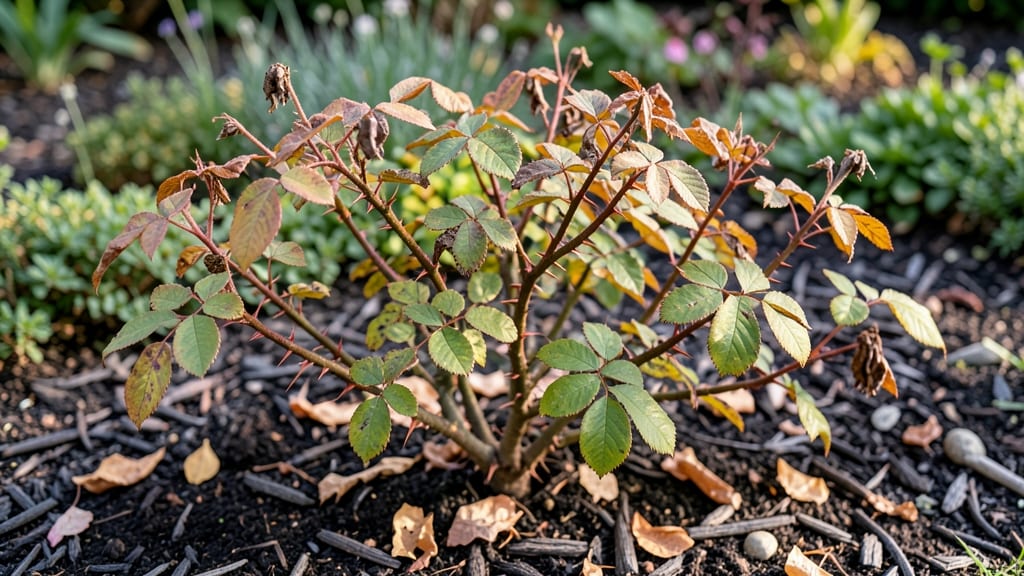
Your rose bush dropping leaves might feel like a death sentence, but it’s usually a fixable problem—not a lost cause. 🌿 I’ve seen roses bounce back from every scenario listed here, and the key is identifying the real culprit before treating symptoms.
Start by checking for black spots, webbing, or yellowing patterns—each tells a different story about what’s wrong.
The most common triggers are overwatering (roots drowning), spider mites (tiny webs on undersides), or fungal infections (dark spots with yellow halos). Prune affected leaves immediately, adjust your watering schedule, and consider a light fungicide spray if you spot signs of disease.
Most roses recover within 2-4 weeks with the right approach.
📚 In This Guide
- What you need
- Instructions
- Tips and common mistakes
- Wrapping up and next steps
What you need
- ● Gloves – 1 pair (nitrile or leather, to protect your hands from thorns and potential pathogens).
- ● Hand pruners – 1 pair (sharp, clean, and sterilized with rubbing alcohol to prevent disease spread).
- ● Garden trowel or small shovel – 1 (for gently lifting soil or digging if needed).
- ● Watering can or hose – 1 (with a gentle spray nozzle for hydration checks).
- ● pH testing kit – 1 (digital or soil test strips to check pH levels, ideal range: 6.0–6.5 for roses).
- ● Fungicide (copper-based or neem oil) – 1 bottle (for fungal disease treatment; follow label instructions).
- ● Insecticidal soap or horticultural oil – 1 bottle (for pest control, especially mites or aphids).
- ● Mulch (organic, like shredded bark or compost) – 1–2 bags (2–3 inches thick to retain moisture and regulate soil temp).
- ● Notebook & pen – 1 (to track symptoms, treatments, and progress over time).
- ○ Magnifying glass (optional but helpful) – 1 (for closely inspecting leaves for pests, spots, or damage).
- ● Soil moisture meter – Ensures you’re not over- or under-watering.
- ● Compost or slow-release fertilizer – If nutrient deficiency is suspected (look for yellowing leaves).
- ● Reflective mulch or row covers – For shielding roses from harsh sun or pests if environmental stress is the issue.
- ● Camera or smartphone – To document symptoms before and after treatment.
Diagnosing and fixing a rose bush dropping leaves
Here's how to identify the real issue behind your rose bush's leaf loss—and get it thriving again.
🌿 Step 1: Examine the Leaves for Visual Clues
Start by inspecting the leaves closely. Blackened, curled leaves with yellow edges suggest fungal issues like black spot, while crispy brown edges with no moisture indicate environmental stress. I always check the undersides of leaves first—this is where fungal spores often hide in dense clusters.
Look for patterns: Are leaves dropping from the bottom up (common with overwatering) or randomly (often a sign of pests)? Note the timing—sudden leaf loss after a rainstorm points to fungal infection, while gradual shedding in hot weather suggests heat stress. Take a few photos to compare against online references later.
✂️ Step 2: Assess Watering and Soil Conditions
Stick your finger 2 inches into the soil—if it feels bone-dry, you're underwatering. Roses need 1-1.5 inches of water weekly, but they hate soggy roots. I test by lifting the bush slightly—if it feels light, it's thirsty. Overwatering causes leaves to yellow and drop while roots suffocate.
Check for poor drainage by filling a saucer under the pot (if potted) or digging a small hole in the soil. If water pools after 30 minutes, amend with 2-3 inches of compost or perlite to improve aeration. Mulch with 2-3 inches of organic mulch to retain moisture without suffocating roots.
☀️ Step 3: Evaluate Sunlight and Airflow
Roses need 6-8 hours of direct sun daily, but afternoon shade helps in hot climates. If your bush is in full sun with no relief, leaves may scorch and drop. Watch for leaves that feel dry and papery—this is classic sunburn. Move it to a spot with morning sun and afternoon shade if needed.
Poor airflow creates humidity pockets where fungal spores thrive. Prune back any branches rubbing together and thin out nearby plants to create at least 3 feet of clearance around the bush. I always prune in the morning when humidity is lowest—this gives any cuts time to dry before evening dew sets in.
🪴 Step 4: Check for Pests and Disease Signs
Inspect stems and leaf undersides for aphids, spider mites, or sawfly larvae—tiny webs or sticky residue are dead giveaways. I use a magnifying glass for this step because early detection makes all the difference. Treat with neem oil spray (1 tablespoon per quart of water) if you spot pests.
For fungal diseases like black spot, remove all infected leaves immediately and dispose of them in the trash (not compost). Apply a copper fungicide every 7-10 days until new growth appears. Avoid overhead watering—always water at the base to keep foliage dry.
💧 Step 5: Adjust Fertilization and Soil pH
Too much fertilizer burns roots, causing leaves to yellow and drop. If you've been fertilizing recently, flush the soil with 2-3 gallons of water to leach out excess salts. I switch to a balanced organic fertilizer (like 10-10-10) applied every 6-8 weeks during growing season.
Test your soil pH—roses prefer 6.0-6.5. If your soil is too alkaline (pH above 7.0), amend with elemental sulfur (1 pound per 100 square feet) and retest in 2-3 months. Overly acidic soil (below 5.5) can be adjusted with lime, but do this gradually to avoid shocking roots.
Tips & tricks for diagnosing rose bush leaf drop
These targeted insights will help you pinpoint exactly what's stressing your rose bush—and how to fix it fast.
Leaf Inspection Technique: When examining leaves in Step 1, focus on the newest growth first—they're most sensitive to current problems. I've seen cases where older leaves appeared healthy while new ones were curling (a sure sign of overwatering or nutrient deficiency). Use a magnifying glass to spot tiny fungal spores or pest eggs on leaf undersides—this is where issues often start before becoming visible to the naked eye.
Watering Test: The 2-inch soil check in Step 2 works, but I add this extra test: Gently tug on a few stems after watering. If they pull away easily, roots aren't anchoring properly (sign of overwatering). If soil feels like a sponge and won't release water after 30 minutes, you definitely need to amend with compost or perlite. For potted roses, I recommend using pots with drainage holes AND a cache pot underneath to catch excess water.
Sunlight Strategy: For Step 3's sunlight assessment, I suggest testing your location's actual sun exposure first. Use a free sun mapping app to track sunlight patterns for 3 days—this reveals how much direct sun your bush actually gets. If you're in a hot climate, consider temporary shade cloth (30-50% shade) during peak afternoon sun (12-4 PM) to prevent leaf scorch while still allowing morning light.
Pest Prevention: When treating pests in Step 4, I've found that a preventative spray of neem oil (1 tablespoon per quart of water) every 2 weeks during growing season keeps pests at bay. The key is consistency—pests build up resistance if you only spray when you see them. For severe infestations, I recommend adding insecticidal soap (1 tablespoon per quart) to the neem oil mix for better results.
Pro Tips for Rose Bush Dropping Leaves
- These targeted insights will help you pinpoint exactly what's stressing your rose bush—and how to fix it fast.
- Leaf Inspection Technique: When examining leaves in Step 1, focus on the newest growth first—they're most sensitive to current problems.
- Watering Test: The 2-inch soil check in Step 2 works, but I add this extra test: Gently tug on a few stems after watering.
Frequently asked questions
Got questions about why your rose bush is dropping leaves? You’re not alone—this is a common issue, and understanding the root cause (pun intended!) can save your prized plants. Here are some of the most frequently asked questions to help you troubleshoot like a pro:
Why is my rose bush dropping leaves suddenly?
A sudden leaf drop is often a stress signal. Check for environmental triggers like extreme heat, cold snaps, or sudden wind. Pests (like spider mites or aphids) or fungal diseases (e.g., black spot) can also cause rapid defoliation. Inspect the undersides of leaves and stems for signs of damage or infestation.
Is it normal for roses to drop leaves in fall?
Yes! Roses naturally shed some leaves in fall and winter as they enter dormancy. However, if leaves are dropping prematurely (before late autumn) or in large clumps, it may signal stress. Mulch your roses to protect roots from temperature swings and ensure they’re well-watered but not soggy.
How do I tell if pests are causing my rose bush to lose leaves?
Pests like spider mites, Japanese beetles, or rose slugs can devour leaves, leaving behind holes, webbing, or chewed edges. Shake the bush over a white sheet to spot tiny critters. For mild infestations, spray with neem oil or insecticidal soap. Severe cases may need systemic pesticides.
Can overwatering or underwatering cause leaf drop?
Overwatering
leads to root rot (yellow leaves, mushy stems), while underwatering causes wilting and browning edges. Stick your finger 2 inches into the soil—if it’s dry, water deeply. If soggy, hold off until the topsoil dries. Aim for 1–1.5 inches of water per week, including rainfall.
What’s the best way to revive a rose bush that’s lost most of its leaves?
Start with pruning: Cut back dead or diseased stems to encourage new growth. Fertilize lightly with a balanced rose food (high in phosphorus for roots) and ensure it’s in full sun (6+ hours/day). Monitor for pests/diseases and adjust watering. With care, many roses bounce back—just be patient!
Should I remove all the dropped leaves from under my rose bush?
Yes, but strategically! Remove diseased leaves immediately to prevent fungal spores from reinfecting the plant. For healthy fallen leaves, leave a few near the base as natural mulch to retain moisture. Just avoid piling them thickly, which can trap moisture and encourage rot.
Wrapping up and next steps
Don’t let a few dropped leaves stress you out—your rose bush is resilient, and with the right care, it’ll bounce back stronger than ever! 🌿 Whether the issue is disease, pests, or seasonal changes, you now have the tools to diagnose and fix the problem.
Start by taking action today: trim affected branches, adjust watering habits, or treat pests early to prevent further damage.
Next, monitor your rose bush regularly—consistent check-ups will help you catch issues before they escalate. And remember, even the most experienced gardeners face challenges, so patience and persistence are key. Happy gardening! 🌸