
Plants
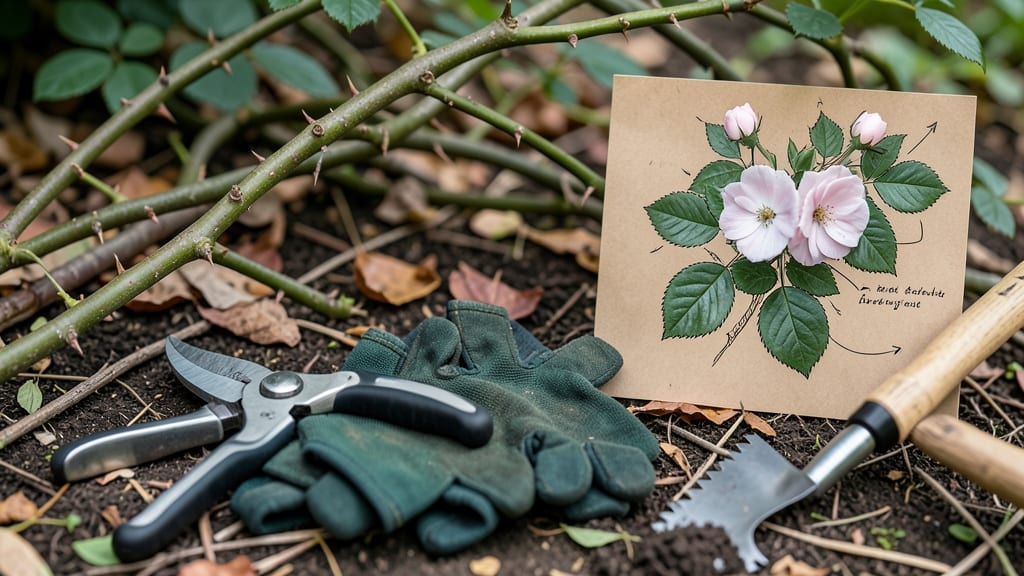
Those sneaky imposters called weeds that look like rose bushes can ruin your rose garden before you even notice. 🌿 I've spent years pulling plants I sweared were roses—only to realize they were aggressive weeds wearing a rose disguise.
The key to spotting them lies in the leaves, thorns, and how they grow compared to real roses.
Multiflora rose look-alikes like Japanese honeysuckle or wild blackberry mimic rose shapes but lack the classic five-petal bloom structure. Real roses have smooth, serrated leaves with stipules (those tiny leaf-like growths at the base), while weeds often have jagged edges or no stipules at all.
Check the stems too—weeds rarely have the same thorn spacing as true roses.
Once you spot them, removal is simple: gloves on, sharp pruners, and a trash bag. Pull the whole root to prevent regrowth, and compost only if you're certain it's not a weed.
For prevention, label your roses and inspect new plants before planting—many nurseries sell mislabeled "rose" starts that turn out to be invasive weeds.
This confusion happens because weeds evolve to mimic desirable plants—but knowing the differences saves your garden from becoming a weed jungle. Next time you're pruning, grab a magnifying glass and check those leaves closely. You'll spot the fakes in seconds.
Misidentification Mistakes Explained
When your garden’s delicate rose bushes start looking suspiciously similar to weeds, it’s usually a mix of nature’s tricks and human error. Here’s why this confusion happens—and how to spot the difference before it’s too late.
Some plants evolve to resemble others for survival. In the case of rose-like weeds, this often happens because:
- Shared Leaf Structures: Many weeds, like Multiflora Rose or Bridal Wreath Spirea, have compound leaves with serrated edges—just like true roses. Their thorns and five-petaled flowers can fool even experienced gardeners.
- Pollinator Attraction: Weeds with rose-like blooms (e.g., Butterfly Bush) mimic roses to lure bees and butterflies, making them harder to distinguish at a glance.
- Hybridization Confusion: Some "weeds" are actually escaped ornamental plants (like Rosa rugosa or Noisette Roses) that spread aggressively. Their wild growth patterns blur the line between garden plant and invader.
Pro Tip: 🔍 Check the stems! True roses have canes with sharp thorns in clusters, while many weeds have smooth stems with scattered, weaker thorns or none at all.
Even with careful gardening, mistakes lead to misidentifications. Here’s how:
- Ignoring Growth Habits:
- Roses grow on woody canes that arch or climb, while weeds like Japanese Honeysuckle or Blackberry send out aggressive runners or vines that smother other plants.
- Focusing Only on Flowers:
- Weeds often produce more flowers faster than roses, with no distinct fragrance. True roses have buds that form in clusters and emit a sweet scent.
- Seasonal Confusion:
- Some weeds (e.g., Ragweed) bloom in late summer when roses are dormant, tricking gardeners into thinking they’re a new rose variety.
Quick Fix: 📅 Track bloom times! Roses typically flower in spring/summer, while many weeds peak in late summer or fall.
Stress or poor growing conditions can make roses look more like weeds—or vice versa. Common triggers include:
| Factor | Effect on Roses | Effect on Weeds |
|---|---|---|
| Overcrowding | Roses grow leggy and sparse, mimicking the wild, tangled look of weeds. | Weeds thrive in tight spaces, spreading rapidly and outcompeting roses. |
| Poor Soil | Roses develop yellowing leaves and stunted growth, resembling nutrient-deficient weeds. | Weeds like Dandelions or Crabgrass dominate poor soil, masking rose health issues. |
| Pests/Disease | Roses attacked by Japanese Beetles or Black Spot may lose leaves early, looking like dead weeds. | Weeds resist pests better, making them seem healthier than struggling roses. |
Action Step: 🌱 Test your soil! A simple pH test (ideal for roses: 6.0–6.5) can reveal if nutrients are the issue—or if weeds are just taking over.
Understanding these causes helps you act fast—whether it’s pulling the real weeds or reviving your roses before the confusion spreads!
Quick Fixes for Unwanted Plant Lookalikes
Now that you’ve identified those sneaky weeds masquerading as rose bushes, it’s time to take action! The good news? Most of these impostors can be removed with simple, garden-friendly methods.
Below, we’ll break down the best solutions based on the cause of the problem—whether it’s poor soil, overcrowding, or simply a lack of vigilance. We’ll also share prevention tips to keep your rose garden looking lush and weed-free for years to come.
The first step is always identification—double-check those leaves and stems to confirm you’re targeting the right plant. Then, use these methods based on the weed’s growth stage and your garden’s needs.
🌱 Early-Stage Weeds (Seedlings or Small Sprouts)
If you catch these early, you’ll save yourself a lot of hassle later!
- 🔪 Hand-Pulling (Best for Small Areas)
- Wait for a rainy day or water the soil first to loosen the roots.
- Grasp the weed at the base (where the stem meets the soil) and pull upward with a firm tug.
- Check for roots: If any break off, dig deeper to remove the entire root system.
- Pro Tip: Use garden gloves to protect your hands—some weeds (like bindweed) have thorny stems!
- 🍳 Mulching (Prevents Regrowth)
- Apply a 2–3 inch layer of organic mulch (straw, wood chips, or shredded leaves) around your rose bushes.
- Mulch smothers weeds by blocking sunlight and adds nutrients to the soil as it breaks down.
- Pro Tip: Keep mulch away from the base of rose canes to prevent rot—leave a 1–2 inch gap.
🌿 Established Weeds (Mature Plants with Deep Roots)
For stubborn weeds like bittersweet nightshade or wild roses, you’ll need a stronger approach.
- 👨🍳 Digging Out (For Perennial Weeds)
- Use a hand trowel or dandelion digger to pry the weed out root and all.
- Focus on removing the taproot—if even a small piece stays, the weed will regrow.
- Pro Tip: Soak the area with vinegar or boiling water (1 part vinegar to 1 part water) to kill remaining roots before replanting.
- 🔪 Cutting at the Base (For Tough Stems)
- If digging isn’t an option, sever the weed at ground level with clean pruners or a sharp knife.
- For vine-like weeds (e.g., morning glory), cut repeatedly over a few weeks to weaken the plant.
- Warning: Some weeds (like bindweed) can regrow from tiny root fragments, so stay diligent!
💥 Chemical-Free Weed Control (For Large Areas)
If your garden is overrun, try these non-toxic but effective methods:
- 🌡️ Boiling Water Treatment
- Pour boiling water directly on the weed’s foliage and roots—this kills the plant instantly.
- Best for driveways, sidewalks, or between rose bushes where digging isn’t practical.
- 🎯 Salt or Corn Gluten Meal (Pre-Emergent Control)
- Salt spray (1 part salt to 4 parts water) can kill existing weeds, but use sparingly—it can harm soil over time.
- Corn gluten meal (applied in early spring) prevents weed seeds from germinating while adding nitrogen to the soil.
- Pro Tip: Water the area before applying corn gluten to activate its weed-blocking properties.
The best way to deal with weeds is to stop them before they start. Here’s how to create a weed-resistant rose garden:
🌱 Improve Soil Health (Weeds Hate Competition!)
- 💪 Add Compost or Well-Rotted Manure
- Healthy soil = stronger rose roots that outcompete weeds for nutrients.
- Aim for 2–3 inches of compost mixed into the top 6 inches of soil before planting.
- 🥗 Use a Balanced Fertilizer
- Weeds thrive in nutrient-poor soil.
Feed your roses with a slow-release rose fertilizer (high in phosphorus for roots) in early spring and mid-summer. - Pro Tip: Avoid high-nitrogen fertilizers—they encourage leafy weed growth!
🌿 Smart Plant Spacing & Layering
- 📏 Space Roses Properly
- Overcrowded roses invite weeds by leaving bare soil exposed.
Plant roses 18–24 inches apart (depending on the variety). - 🌸 Layer with Ground Covers - Plant low-growing, weed-suppressing plants like creeping thyme, clover, or ajuga between rose bushes. - These plants block sunlight and compete with weeds for space.
🛠️ Maintain a Weed-Free Zone
- 🕒 Regular Inspections (Every 2–3 Weeks)
- Spend 10 minutes weekly pulling new weeds—small ones are easiest to remove!
- 🌧️ Water Deeply & Infrequently
- Weeds love shallow, frequent watering.
Instead, water roses deeply 1–2 times per week to encourage deep root growth. - Pro Tip: Water in the morning to reduce humidity, which can attract fungal diseases.
If weeds keep creeping in, block them before they start with these physical barriers:
- 🧵 Landscape Fabric (Temporary Solution)
- Lay perforated fabric under mulch to prevent weed seeds from sprouting.
- Warning: Remove fabric after 1–2 years—it can degrade and trap moisture, harming roses.
- 🪵 Cardboard or Newspaper (DIY Weed Mat)
- Cover bare soil with wet cardboard or layered newspaper (ink-side down) before adding mulch.
- This breaks down naturally while suppressing weeds for 3–6 months.
Final Thought: The key to a weed-free rose garden is consistency. Combine regular removal, smart mulching, and soil care, and those sneaky lookalikes won’t stand a chance! 🌹💪
Frequently asked questions
What are the most common weeds that mimic rose bushes?
Japanese honeysuckle, wild blackberry, and multiflora rose are frequent imposters. These plants share similar leaf shapes and thorns but lack true roses' stipules (small leaf-like structures at the base) and five-petal flowers. Even brambles can fool gardeners with their thorny canes.
How can I tell if a thorny plant is a weed or a rose?
Check the leaf arrangement and stem structure. Real roses have alternate leaves with stipules, while weeds often have opposite leaves or jagged edges. Also, roses grow on woody canes with clustered thorns, while many weeds have smooth stems with scattered thorns.
Why do some weeds look exactly like my rose bushes?
Nature's camouflage! Many weeds evolve to resemble desirable plants to attract pollinators or avoid being eaten. For example, butterfly bush mimics roses to lure bees, while wild roses (like Rosa rugosa) are actually escaped ornamentals that spread aggressively.
Can I safely compost weeds that look like roses?
Only if you're 100% certain they're not weeds. Many rose look-alikes (like multiflora rose) are invasive and can regrow from compost. When in doubt, bag and trash them to prevent spreading seeds or roots. For true roses, composting is fine after proper cleanup.
What's the best time of year to remove these weed imposters?
Early spring or late fall are ideal. In spring, weeds are young and easier to pull before they establish deep roots. In fall, you'll catch any late-blooming lookalikes (like ragweed) before they spread seeds. Avoid removing in summer heat—it stresses both weeds and your roses.