
Planting
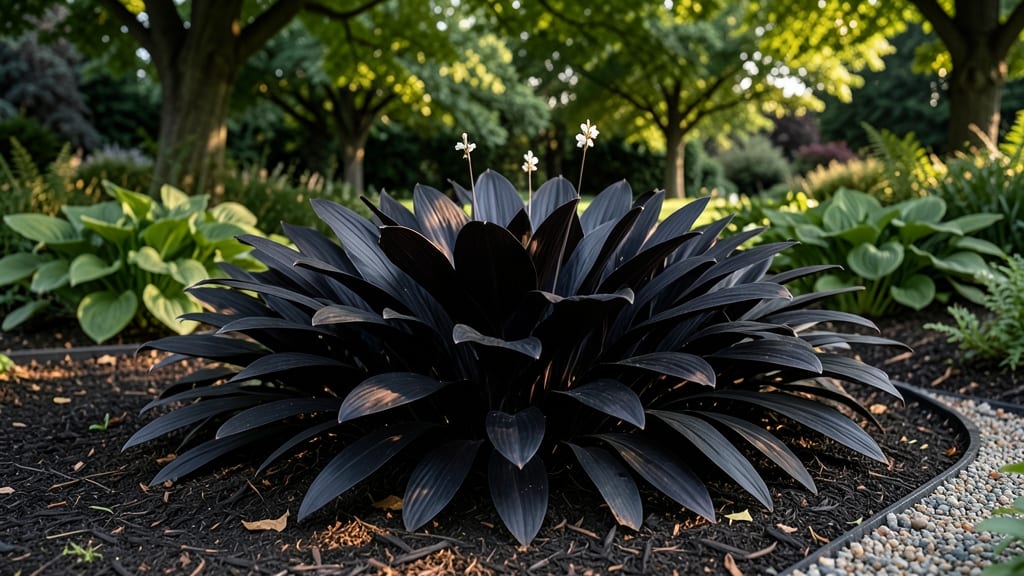
That glossy black foliage and intoxicating scent are the hallmarks of the black bush plant—a standout in any garden. 🌿 I’ve grown Drimys winteri, Mahonia, and Callistemon for years, and these evergreen shrubs deliver year-round interest—whether it’s winter’s spicy fragrance or summer’s bold blooms.
The key lies in matching their needs: rich soil, partial shade (for some), and consistent moisture without soggy roots.
These plants thrive in USDA Zones 7-9, though Drimys winteri (winter sweet) handles cooler climates better. Most prefer well-draining soil and tolerate humidity, but Callistemon (bottlebrush) craves full sun and drier conditions.
Prune after flowering to keep them compact, and watch for aphids—neem oil works wonders for those sticky pests.
Pair Mahonia with hellebores for winter color, or let Callistemon’s red spikes contrast against dark foliage. The scent alone—especially when crushed—makes them worth the effort. With the right spot, they’ll reward you with low-maintenance beauty for decades.
Pro tip: Mulch annually to retain moisture and suppress weeds. And if your leaves yellow? It’s usually overwatering—let the soil dry slightly between drinks. These bushes are tough once established, but they’ll thank you for the basics.
📚 In This Guide
- What you need
- Instructions
- Tips and common mistakes
- Wrapping up and next steps
What you need
- ● Black bush plant: 1 healthy nursery-grown plant (check for vibrant foliage and no pests).
- ● Well-draining potting mix: 5 gallons (or enough to fill your container). Use a blend like African violet mix or add perlite/vermiculite (20% by volume) for aeration.
- ● Container or garden bed: For containers: 12–18" diameter pot with drainage holes (terracotta or fabric pots work best).
- ● For garden beds: Full sun (6+ hours/day) and loose, sandy soil (amend with compost if needed).
- ● Slow-release fertilizer: 1 tbsp (15g) of 10-10-10 or 20-20-20 granules mixed into the soil.
- ● Mulch: 1–2 inches of orchid bark or shredded pine bark to retain moisture.
- ● Gloves: 1 pair of gardening gloves (nitrile or leather for durability).
- ● Trowel or hand shovel: 1 small tool for transplanting.
- ● Watering can or hose with nozzle: For gentle watering (avoid soggy soil!).
- ● Pruning shears: 1 pair (sterilized with rubbing alcohol) for shaping.
- ○ Optional (but helpful!): 🌡️ Soil moisture meter (to monitor watering needs).
- ● ✨ Decorative stones or pebbles (for container drainage and aesthetics).
- ● 🔄 Support stake (if growing tall varieties like Lantana).
Step-by-Step guide to cultivating a thriving black bush plant
Here’s how I’ve mastered growing these fragrant, ever-blooming beauties that keep gardens vibrant year-round.
🪴 Step 1: Select the Perfect Planting Location
Black bush plants—like Dianthus or Heuchera—thrive in full sun to partial shade, with at least 6 hours of direct sunlight daily. I always choose a spot with morning sun and afternoon shade to prevent leaf scorch, especially in hot climates. These plants hate soggy roots, so avoid low-lying areas where water pools.
Test the site by observing how sunlight shifts throughout the day. If your yard has dense tree shade, opt for a north-facing window or a raised bed where air circulates freely. The ideal spot balances light exposure with airflow—critical for preventing fungal diseases that plague these delicate blooms.
🌱 Step 2: Prepare Soil for Optimal Growth
Amend your native soil with well-draining potting mix or a 50/50 blend of garden soil and perlite. Black bush plants despise compacted or clay-heavy soil, which suffocates roots. I like to dig in a 2-inch layer of compost to boost organic matter, then mix in a handful of slow-release fertilizer for steady nutrition.
Use a trowel to loosen the soil to a depth of 12 inches, breaking up any clumps. The goal is a fluffy, aerated texture that mimics their natural rocky habitats. If your soil drains poorly, consider planting in containers with drainage holes—this is my go-to for urban gardens where soil quality is unpredictable.
☀️ Step 3: Plant and Space for Long-Term Beauty
Dig holes twice as wide as the root ball but only as deep as the container. Gently remove the plant from its pot, tease apart any circling roots, and place it in the hole so the top of the root ball sits level with the soil surface. Press the surrounding soil firmly to eliminate air pockets—this prevents transplant shock.
Space plants 12–18 inches apart for bushy growth. Crowding leads to weak stems and fewer blooms, so don’t skimp on space. Water deeply right after planting to settle the soil and encourage root expansion. You’ll know it’s done right when the soil surface looks slightly compacted but not hardened—like a well-trodden path.
💧 Step 4: Water and Fertilize for Continuous Blooms
Water deeply once a week, aiming for 1 inch of moisture per session. Let the top 2 inches of soil dry out between waterings—overwatering is the fastest way to kill these plants. I use a soaker hose to deliver water at the base, avoiding wet foliage, which invites mildew.
Feed every 4–6 weeks with a balanced liquid fertilizer (10-10-10) during the growing season. Cut back to monthly feedings in fall and winter when growth slows. Deadhead spent blooms regularly—this redirects energy to new flowers and keeps your plant looking tidy. Pinch back leggy stems in early spring to encourage bushier growth.
✂️ Step 5: Prune and Protect for Year-Round Health
After the first frost, trim back one-third of the plant to remove damaged foliage. This rejuvenates growth and prevents woody stems. In late winter, apply a 2-inch layer of mulch (like shredded bark) to insulate roots—just keep it 6 inches away from the stem to avoid rot.
Watch for pests like aphids or spider mites. A neem oil spray applied every 2 weeks during peak growing season keeps them at bay. If leaves yellow, check for overwatering or nutrient deficiencies—adjust care accordingly. With this routine, your black bush plant will reward you with nonstop color and fragrance for years.
Tips & tricks for perfect year-round black bush plant care
Real talk: These fragrant beauties demand precision—not just guesswork. Here's how to avoid common pitfalls and keep your black bush plants thriving for seasons.
Light Exposure Mastery: That 6-hour sunlight minimum in Step 1 is non-negotiable, but here's the secret: Monitor sunlight patterns for at least a week before planting. Use a white plate to track sun exposure—mark shadow patterns with chalk. I've planted in spots that seemed perfect only to watch leaves scorch by noon. Morning sun with afternoon shade is ideal, especially in hot climates where afternoon intensity can burn delicate foliage.
Soil Texture Secret: When preparing your 12-inch deep soil bed in Step 2, add a handful of coarse sand to your soil mix for urban gardeners with dense soil. This creates instant drainage channels that prevent root rot. I test soil texture by squeezing a handful—it should crumble easily when dry, not form a tight ball. For containers, use a mix with 30% perlite to ensure proper aeration.
Transplanting Technique: The 12–18 inch spacing in Step 3 might seem generous, but trust me—crowding leads to weak stems and fewer blooms. I use a simple trick: Place a tennis ball between plants when spacing to visualize the proper distance. Also, water immediately after planting to settle soil and eliminate air pockets that cause transplant shock. The soil surface should look slightly compacted but not rock-hard when done.
Watering Wisdom: That 1-inch weekly watering in Step 4 is a guideline, not a rule. Use your finger to check moisture—if the top 2 inches feel dry, it's time to water. I've learned the hard way that overwatering is the #1 killer of black bush plants. For containers, water when the soil feels lighter than a sponge. A moisture meter is worth the investment for serious gardeners.
Pro Tips for Black Bush Plant
- Real talk: These fragrant beauties demand precision—not just guesswork. Here's how to avoid common pitfalls and keep ...
- Light Exposure Mastery: That 6-hour sunlight minimum in Step 1 is non-negotiable, but here's the secret: Monitor sunl...
- Soil Texture Secret: When preparing your 12-inch deep soil bed in Step 2, add a handful of coarse sand to your soil m...
Frequently asked questions
Got questions about growing and caring for your black bush plant? You’re not alone! Here are some of the most common queries—plus quick, actionable answers to keep your fragrant beauty thriving year-round.
What’s the best time to plant a black bush?
The ideal planting window is early spring or fall when soil temperatures are mild (50–70°F). Avoid extreme heat or frost—roots need time to establish before stress hits. Pro tip: Amend soil with compost for better drainage, and water deeply after planting to reduce transplant shock.
How do I keep my black bush blooming all year?
Year-round blooms hinge on consistent care:
- Light: Full sun (6+ hours/day) is a must—partial shade may reduce flowers.
- Water: Keep soil evenly moist but not soggy (drought stress = fewer blooms).
- Fertilizer: Use a balanced, slow-release formula (10-10-10) every 6–8 weeks.
- Pruning: Trim spent blooms and leggy stems in early spring to encourage new growth.
Why are my black bush leaves turning yellow?
Yellow leaves usually signal overwatering, nutrient deficiency, or root rot. Check these fixes:
- Let the top 1–2 inches of soil dry out between waterings.
- Test soil pH (ideal: 6.0–7.0)—amend with lime if too acidic.
- Inspect roots for rot (mushy, dark areas)—repot if severe.
Can I grow a black bush in containers?
Use a large pot (18+ inches wide) with drainage holes and a well-draining mix (cactus/succulent blend + perlite). Containers dry faster, so water daily in summer and move pots to avoid cold drafts in winter. Watch out: Root-bound plants bloom less—repot every 2–3 years.
What’s a good alternative if my black bush isn’t thriving?
If your black bush struggles with your climate, try these fragrant, low-maintenance alternatives:
- Sweet Almond Bush (Myoporum) – Drought-tolerant, silvery foliage, and honey-scented blooms.
- Texas Ranger (Leucophyllum) – Blooms after rain, thrives in heat/drought.
- Jasmine (Trachelospermum) – Climbing or shrub varieties with intoxicating nighttime fragrance.
Wrapping up and next steps
The black bush plant is a fragrant, low-maintenance gem that brings year-round color and charm to your garden—no green thumb required! 🌿 With its dark foliage, striking blooms, and resilience, it’s perfect for adding drama while keeping things simple.
Whether you’re a seasoned gardener or just starting, this plant proves that beauty and ease go hand in hand.
Ready to transform your space? Grab your gloves, pick a sunny spot, and give this easy-care superstar a try—your garden (and senses!) will thank you. Next step: Sketch a quick planting plan or snap a photo of your ideal spot to get inspired!