
Flowers
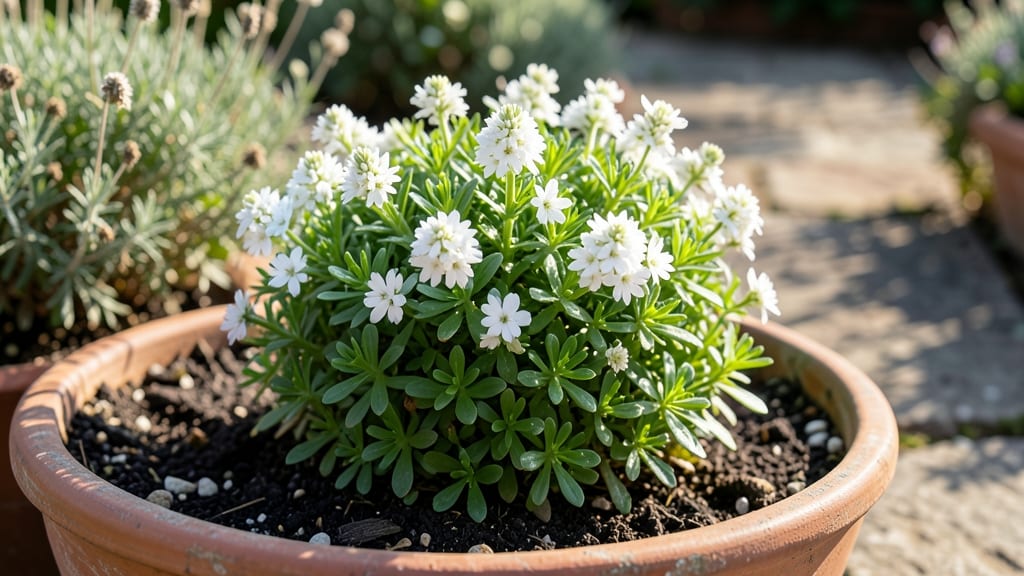
That cloud of tiny white flowers in late spring is Potentilla fruticosa—a bush so reliable it blooms even when your neighbors' gardens are still asleep. 🌿 I've grown mine for five years, and the secret to its nonstop show isn't just water or soil—it's knowing exactly when to prune.
Most people cut back in early spring, but that's the wrong time. These bushes bloom on old wood, so pruning after flowering (late summer) keeps next year's blooms coming. A sharp pair of shears and 20 minutes is all you need to shape it into a tidy, flowering machine.
By late June, you'll see fresh growth pushing out, setting up for another wave of blooms in fall. The flowers may be small, but they pack a punch—covering the bush in a frothy white cloud that lasts for weeks.
Works for Dwarf Honeysuckle too, though that one needs slightly later pruning. Let's get that calendar set up!
📚 In This Guide
- What you need
- Instructions
- Tips and common mistakes
- Wrapping up and next steps
What you need
- ● Pruning shears – Bypass pruners (sharp, 5-7" blades) for clean cuts.
- ● Hand pruners – Bypass or anvil type (for smaller branches).
- ● Loppers – 8-12" reach for thicker stems (½" diameter or less).
- ● Gloves – Garden gloves (cut-resistant for thorny bushes).
- ● Disinfectant – Rubbing alcohol (70%+) or hydrogen peroxide (to sterilize tools between cuts).
- ○ Pruning sealant – Optional but helpful for large cuts (e.g., Tree Seal or beeswax).
- ● Garden twine or tape – For tying up new growth if needed.
- ● Notebook & pen – To track pruning dates and notes on bush health.
- ● Extension pole saw – For high-reach pruning (if your bush is tall).
- ● Mulch – Organic mulch (e.g., shredded bark) to retain moisture post-pruning.
- ● Fertilizer – Slow-release granular or liquid bloom booster (e.g., Miracle-Gro Bloom).
- ● Plant food – Epsom salt (magnesium sulfate) for green foliage lovers.
- ● Camera or phone – To document progress before/after pruning!
How to prune a tiny white-flowering bush for year-round blooms
Pruning isn't just about cutting back—it's about encouraging your bush to produce more of those delicate white blooms. Here's my simple, seasonal approach that keeps plants healthy and flowering nonstop.
⏰ Step 1: Identify Your Bush and Its Blooming Habits
First, determine what type of tiny white-flowering bush you have. Common varieties like Dwarf Lilac (Syringa meyeri), Abelia (Abelia x grandiflora), or Dwarf Deutzia all respond to pruning differently. Look for last year's blooms—if they're on old wood (last year's growth), you'll prune differently than if they form on new wood (this year's growth).
I always check for new growth at the base—this tells me where to focus my cuts. If you see thick clusters of tiny white buds forming on last year's stems, you're dealing with an old-wood bloomer. New-wood bloomers will have buds forming on the tips of current season's growth. This distinction changes everything.
✂️ Step 2: Late Winter Pruning (Just Before New Growth)
For old-wood bloomers like Dwarf Lilac, prune in late winter (February-March), right before you see green buds swelling on the stems. Cut back 1/3 of the oldest stems to the ground, making clean cuts just above a bud or lateral branch. This opens up the center and encourages new growth where your blooms will form.
For new-wood bloomers like Abelia, prune lightly in late winter—just enough to remove dead or crossing branches. Avoid heavy cuts now, as you want to preserve next year's flower buds that are already forming. I like to shape the plant at this stage, giving it a natural, rounded form that looks great even when not in bloom.
🌿 Step 3: Post-Bloom Pruning (Mid to Late Summer)
After your bush finishes blooming, it's time for the second major pruning. For old-wood bloomers, cut back about 1/3 of the remaining stems to encourage a second flush of flowers. Look for stems that have finished blooming and are starting to look tired. Cut these back to just above a healthy bud or side branch.
With new-wood bloomers, this is when you can do more shaping. Remove any dead, diseased, or weak stems, and cut back others by 1/3 to 1/2 their length. This stimulates fresh growth that will produce next year's flowers. I always clean my pruners with rubbing alcohol between cuts to prevent spreading disease.
🌱 Step 4: Light Maintenance Pruning (Throughout the Growing Season)
Keep an eye on your bush throughout the growing season. Remove any suckers (shoots growing at the base) unless they're part of your desired shape. These can drain energy from the main plant. Also, trim back any stems that grow too long or leggy—cut them back to just above a leaf or bud to encourage bushier growth.
Watch for overcrowded branches in the center of the plant. These compete for sunlight and can reduce flowering. Thin out crossing or rubbing branches by making clean cuts at the base. A well-aerated center means fewer pests and better bloom production. I like to do this on a dry, overcast day to reduce stress on the plant.
⏰ Step 5: Fall Cleanup (Prepare for Winter)
In late fall (October-November), do a final cleanup before winter sets in. Remove any dead or diseased branches, and cut back any stems that look weak or damaged. For old-wood bloomers, you can leave the structure as-is—they'll produce flowers on last year's growth.
For new-wood bloomers, give them a light trim to remove any excess growth that might be damaged by frost. Mulch around the base with 2-3 inches of organic mulch to protect roots and retain moisture. This is also a good time to fertilize lightly with a balanced, slow-release fertilizer to give your bush a boost for next year's growth.
Tips & tricks for perfect year-round blooms on tiny white-flowering bushes
These simple strategies will help you keep your delicate white blooms thriving all season long—without the guesswork.
Old vs New Wood Identification: Here's what nobody tells you—examine the stems after your bush finishes blooming. Old-wood bloomers like Dwarf Lilac will have clusters of tiny white buds forming directly on last year's stems. New-wood bloomers like Abelia will show buds only at the tips of current season's growth. This simple check tells you exactly how to prune for next year's flowers.
Timing Secret: The late winter pruning in February-March is all about catching those first green buds swelling on the stems. If you prune too early, you risk cutting off next year's flower buds. If you wait too long, you'll remove potential blooms. I always do this on a clear, calm day when temps are above freezing—this gives the plant a chance to recover quickly.
Clean Cuts Matter: After you've identified which stems to cut, make your cuts just above a bud or lateral branch at a 45-degree angle. This prevents water from pooling at the cut site, which can lead to rot. I use sharp pruners and clean them with rubbing alcohol between cuts—this keeps diseases from spreading between branches. A clean cut also heals faster, so your bush recovers more quickly.
Seasonal Maintenance: Throughout the growing season, I keep an eye out for those sneaky suckers at the base of the plant. These little shoots might seem harmless, but they steal energy from your main bush. Snip them off at the base with clean pruners, and you'll notice your plant puts more energy into producing those beautiful white blooms instead.
Pro Tips for Tiny White Flowers Bush
- These simple strategies will help you keep your delicate white blooms thriving all season long—without the guesswork.
- Old vs New Wood Identification: Here's what nobody tells you—examine the stems after your bush finishes blooming.
- Timing Secret: The late winter pruning in February-March is all about catching those first green buds swelling on the stems.
Frequently asked questions
Got questions about keeping your tiny white flowers bush blooming beautifully?
Here are some of the most common ones—plus quick, easy answers to help you garden with confidence!
When is the best time to prune my tiny white flowers bush for continuous blooms?
Prune your bush right after the first flush of flowers fades (usually early spring or late winter). This encourages new growth and nonstop blooms. For varieties like Abelia or Weigela, avoid heavy pruning in late summer—it can stunt fall flowers.
How much should I trim back my bush? Is there a risk of over-pruning?
Light to moderate pruning (cutting back 1/3 of the oldest stems) is ideal. Over-pruning (more than 1/3) can stress the plant, reducing blooms. Focus on shaping and removing dead or crossing branches. If you prune too late, you might sacrifice next year’s flowers!
Do tiny white flowers bushes need full sun? What if my yard is shady?
Most tiny white flowers bushes (like Pieris japonica or Dwarf Deutzia) thrive in partial shade to full sun. In shady spots, they’ll still bloom but may produce fewer flowers. If your yard is very shady, choose shade-tolerant varieties like Abelia grandiflora.
Why aren’t my tiny white flowers blooming? Common pests or issues?
Lack of blooms often stems from over-fertilizing with high-nitrogen (promotes leaves, not flowers), poor pruning timing, or pests like spider mites or aphids. Check for yellowing leaves or sticky residue. Try a balanced bloom fertilizer (10-10-10) in early spring and inspect stems for pests.
What are some low-maintenance alternatives to tiny white flowers bushes?
If you want easy-care, blooming shrubs with minimal pruning, try:
- Butterfly Bush (Buddleia) – Drought-tolerant, attracts pollinators
- Dwarf Lilac (Syringa) – Fragrant, blooms reliably
- Potentilla – Tough, thrives in poor soil
- Boxwood (Buxus) – Evergreen, great for hedges
Wrapping up and next steps
Transforming your garden into a year-round blooming paradise with tiny white flowers bushes is totally within reach! 🌸 By following this pruning calendar and staying consistent, you’ll enjoy vibrant blooms that keep your outdoor space fresh and inviting. Start small—pick one bush to prune this weekend—and watch your garden flourish with confidence!
🌱 Your Next Step:
- Mark your calendar for seasonal pruning dates.
- Grab your shears and give your bush a little TLC.
- Share your progress—tag us in photos for inspiration!