
Pruning
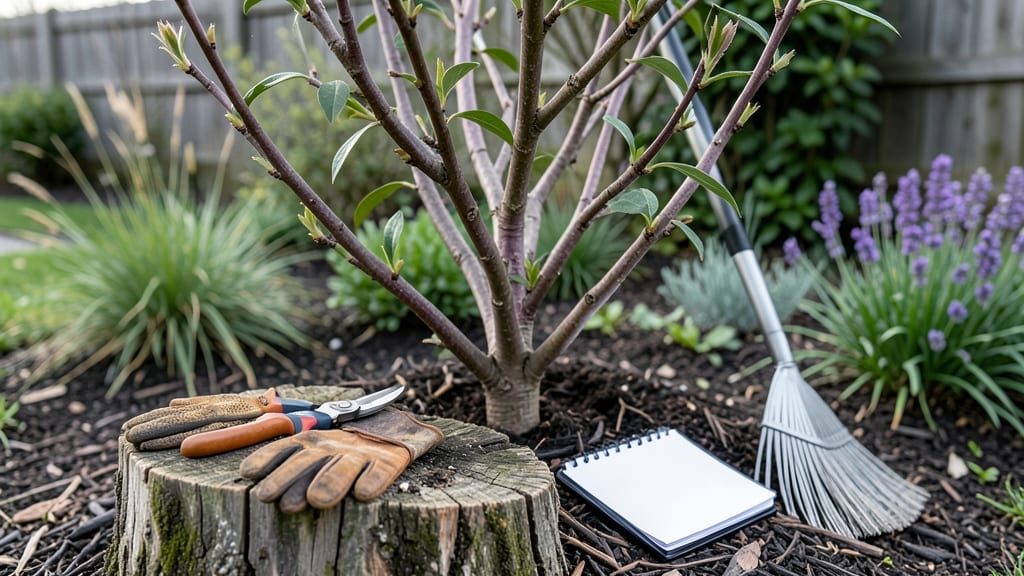
Trimming your butterfly bush in late winter isn’t just about cleanup—it’s the secret to next year’s showstopping blooms. ✂️ I’ve learned that skipping this step means leggy branches and fewer flowers, but doing it right transforms your bush into a pollinator magnet.
The key is timing: wait until after the worst cold snaps but before new growth starts, usually February or early March in most zones.
You’ll need just three things: sharp bypass pruners, rubbing alcohol (to sterilize cuts), and a clear day to work. The goal is to cut back one-third of the oldest wood—those are the thick, woody stems from last season.
This might sound drastic, but butterfly bushes thrive on rejuvenation. Each cut should be clean, at a 45-degree angle just above an outward-facing bud.
After pruning, your bush will look like a bare skeleton, but within weeks, fresh green shoots will burst from those buds. The result? A fuller, more vigorous plant that blooms earlier and more abundantly than ever. Plus, you’ll prevent those pesky diseases that love to hide in old, crowded growth.
For best results, water deeply after pruning and add a layer of mulch to protect roots. If you’re in a colder zone, wait until late March—just don’t delay past early April, or you’ll miss the prime window. This one step makes all the difference for your butterfly bush’s future.
📚 In This Guide
- What you need
- Instructions
- Tips and common mistakes
- Wrapping up and next steps
What you need
- ● Pruning shears – Bypass pruners (sharp, clean, and disinfected with rubbing alcohol or bleach to prevent disease). Quantity: 1 pair (or 2 if trimming a large bush).
- ○ Loppers – For thicker stems (½"–1" diameter). Quantity: 1 pair (optional but helpful for stubborn branches).
- ● Garden gloves – Cut-resistant (thorns on some butterfly bush varieties can be sneaky!). Quantity: 1 pair.
- ● Disposable gloves – For sanitizing tools between cuts (if pruning multiple plants). Quantity: 2–3 pairs.
- ● Rake or leaf blower – To clear debris after trimming. Quantity: 1.
- ● Garden twine or burlap – For tying back heavy branches (if needed). Quantity: Small roll.
- ○ Pruning sealant (optional) – Only for large cuts (e.g., ½" or wider) to prevent disease. Quantity: Small bottle.
- ● Choose the right time: Trim in late winter (just before new growth starts, typically February–March, depending on your climate zone).
- ● Check the weather: Do it on a dry, calm day to avoid spreading disease or attracting pests.
- ● Gather a bucket or bag: For collecting pruned branches (compost or dispose of them—do not leave debris near the bush).
- ● Have a sharpener: A file or pruner sharpener to keep blades in top condition (if your shears feel dull).
Step-by-step instructions for trimming a butterfly bush in late winter
Here’s my go-to method for rejuvenating your butterfly bush—it’s easier than you think and sets up next year’s blooms for success.
⏰ Step 1: Time Your Trim for Late Winter
Wait until after the last hard frost in your area, but before new growth starts—typically February to early March in most climates. I know it’s tempting to tidy up sooner, but trimming too early can expose tender stems to cold damage. Look for brown, leafless branches as your cue.
If you’re in a warmer zone where butterfly bushes stay green year-round, trim in late winter or early spring before buds swell. The key is to avoid cutting back when the plant is actively growing. You’ll see fresh green shoots emerging from the base—wait until those are still dormant.
✂️ Step 2: Gather Your Tools and Prep the Bush
Grab a pair of clean, sharp pruners—dull blades tear stems and invite disease. I also like to have a small bucket for clippings and a spray bottle of 70% rubbing alcohol to disinfect tools between cuts. Remove any dead, broken, or diseased branches first—they won’t regrow and can spread problems.
Step back and examine the shape. Butterfly bushes naturally grow in an open, airy form. Avoid the urge to shear into a perfect ball—this encourages dense growth that blocks airflow and invites pests. Instead, focus on opening up the center to let light and air circulate.
✂️ Step 3: Cut Back to the Right Height
For most butterfly bushes, aim to trim back one-third of the plant’s height. Look for healthy buds or lateral branches—these are your growth points for next season. Cut just above a bud or branch that’s facing outward to encourage bushier growth. Avoid cutting back to bare wood; leave at least 2-3 inches of stem above the base.
If your bush is overgrown or leggy, you can cut back harder—even up to half its height—but only do this if the plant looks healthy overall. Weak or older stems may not regrow well. You’ll see a mix of old wood and new growth after trimming; the new growth will sprout from the remaining buds.
🌱 Step 4: Shape and Clean Up
Step back again and assess the shape. Butterfly bushes thrive with an open, rounded form. Trim any branches that cross or rub against each other—these create wounds where diseases can enter. Remove any suckers (shoots growing from the base) unless you’re propagating, as they drain energy from the main plant.
Once you’re happy with the shape, clean up the area around the bush. Remove any fallen leaves or debris from the base—this reduces hiding spots for pests and improves airflow. A light mulch of 2-3 inches of organic matter (like shredded bark or compost) helps insulate the roots for winter.
💧 Step 5: Water and Monitor for New Growth
After trimming, give your butterfly bush a deep watering to help it recover. The roots need moisture to support new growth, especially if you’ve cut back significantly. Avoid overwatering, though—soggy soil can rot fresh cuts. Water at the base, not overhead, to keep the foliage dry.
In 4-6 weeks, you should see new shoots emerging from the buds you left behind. If you don’t see any growth by early spring, check for signs of stress like yellowing leaves or wilting. This could mean the plant needs more sunlight, better soil, or a boost of fertilizer in the spring.
Tips & tricks for perfect winter butterfly bush trimming
These simple tricks will help you avoid common mistakes and give your butterfly bush the best start for next season's blooms.
Timing is Everything: I can't stress this enough—waiting for those brown, leafless branches in late winter is your golden cue. If you trim too early, you risk cutting back into tender new growth that can't survive cold snaps. For zones with mild winters, check for dormant buds by gently scraping the bark—if you see green underneath, wait a few more weeks. This patience pays off with stronger growth.
Pruner Prep Matters: Sharp, clean pruners are non-negotiable. I always disinfect mine with 70% rubbing alcohol between cuts to prevent spreading disease. Pro tip: Wipe the blades with a paper towel after each cut to remove sap—this keeps your tools working smoothly. And if you're dealing with thick branches, use loppers for clean cuts without tearing the bark.
Shape with Purpose: The open, airy form isn't just aesthetic—it's functional. When you're shaping in Step 4, think "light and airy" rather than "perfectly round." I like to visualize sunlight streaming through the center. This airflow prevents fungal issues and encourages stronger blooms. And remember, those outward-facing buds you're cutting above? They'll grow into next year's flowers—position them to face outward for maximum bloom exposure.
Post-Trim Care: That deep watering after trimming isn't just for show—it helps the plant recover from the shock of losing so many branches. I've found that adding a 1-inch layer of mulch right after watering helps retain moisture while protecting roots from temperature fluctuations. Just keep it 2-3 inches away from the stem to prevent rot. In 4-6 weeks, you'll see those buds you preserved starting to swell—that's your reward for precise trimming!
Pro Tips for Trim A Butterfly Bush For Winter
- These simple tricks will help you avoid common mistakes and give your butterfly bush the best start for next season's blooms.
- Timing is Everything: I can't stress this enough—waiting for those brown, leafless branches in late winter is your golden cue.
- Pruner Prep Matters: Sharp, clean pruners are non-negotiable.
Frequently asked questions
Got questions about trimming your butterfly bush for winter? You’re not alone! Here are some of the most common concerns—plus clear, actionable answers to keep your shrub thriving.
When is the exact best time to trim butterfly bushes?
The ideal window is late winter (just before new growth starts) or early spring—after the last frost but before buds swell. Trimming too early (like mid-winter) can expose tender stems to cold damage, while waiting too late risks pruning off next year’s blooms. Pro tip: If you miss late winter, you can lightly shape in early spring, but avoid heavy cuts!
Do I need to cut back butterfly bushes every winter?
Not necessarily! If your bush is young (under 3 years old) or already well-shaped, you can skip heavy pruning and just remove dead/diseased wood. Mature bushes benefit from annual trimming to encourage bushiness and airflow. Over-trimming isn’t harmful, but under-trimming can lead to leggy growth and fewer flowers.
How much should I cut back—1/3, 1/2, or more?
Aim to reduce stems by 1/3 to 1/2 their height, focusing on older wood (thicker stems) to make room for younger, more vibrant growth. Avoid "topping" (cutting flat across the top)—this can create ugly stubs. For a neat finish, trim at a 45-degree angle just above a leaf node or bud. Think "less is more" to avoid stressing the plant.
What if my butterfly bush looks sad after trimming?
Don’t panic! A freshly pruned bush may look sparse, but it’s normal—new growth will fill in by summer. If leaves yellow or stems wilt, you might’ve cut too aggressively. Water deeply after pruning and avoid fertilizing until spring. If pests (like spider mites) appear, treat with neem oil or insecticidal soap. Patience pays off!
Can I prune butterfly bushes in fall instead of winter?
Fall pruning is not recommended because it removes next year’s flower buds (which form on old wood) and leaves stems vulnerable to winter dieback. If you must prune in fall, limit cuts to dead or diseased branches only. Winter or early spring is the gold standard for butterfly bushes. Think of it like a haircut—better late than never, but timing matters!
What if my bush doesn’t bloom well after pruning?
Poor blooming often stems from over-pruning (cutting back too much) or lack of sunlight. Butterfly bushes need 6+ hours of sun daily and well-draining soil. If blooms are sparse, try:
- Lightly fertilizing in early spring with a balanced 10-10-10 formula.
- Pruning less aggressively next year (focus on shaping, not drastic cuts).
- Checking for pests or fungal issues (like powdery mildew).
Wrapping up and next steps
Trimming your butterfly bush in late winter is a simple yet powerful way to boost next season’s blooms and keep your plant healthy. By removing dead wood, shaping strategically, and fertilizing wisely, you’ll set the stage for a vibrant, butterfly-magnet garden come spring. 🌸
Now that you’re armed with the know-how, grab those pruners and give your bush the TLC it deserves! For extra care, consider testing your soil or exploring companion plants to create an even more thriving ecosystem. Happy gardening! 🌿