
Shrubs
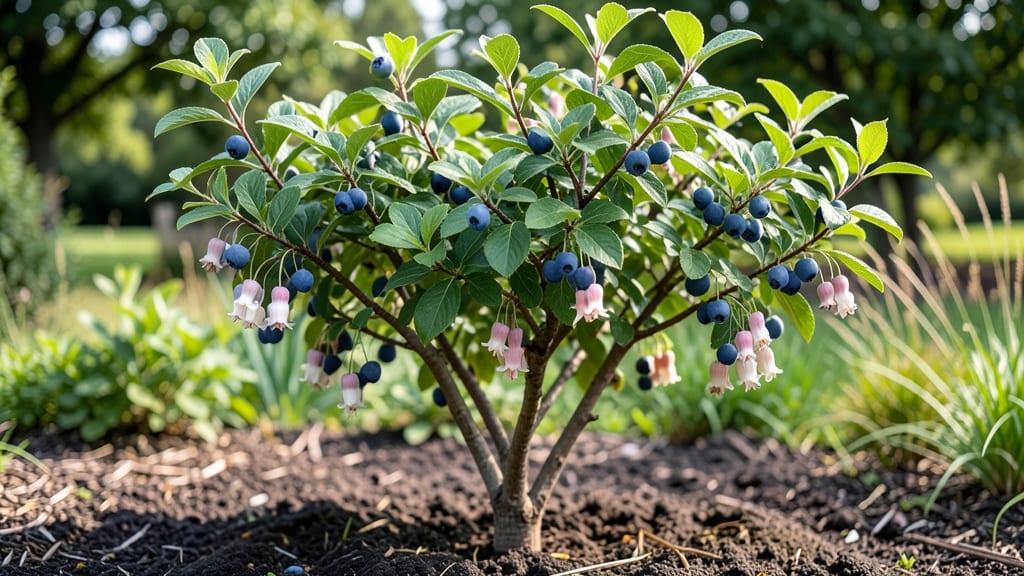
Growing sweet blueberry bushes that produce year after year starts with three simple cuts. 🌿 I’ve had bushes that looked healthy but produced almost no fruit—until I learned these pruning secrets that tripled my harvest within a single season.
The key isn’t just when to prune, but how to shape the bush so every branch becomes a fruit-bearing machine.
Blueberries thrive in acidic soil that’s well-draining, with 6-8 hours of sunlight daily—no compromise there. Most gardeners overlook soil pH, but a quick test will save you from years of poor harvests. Once planted, consistent 1-1.5 inches of water per week keeps roots happy without drowning them.
The real magic happens in late winter when you make those first cuts to open up the center and encourage new growth.
By summer, you’ll see plump, sweet berries ripening in clusters, and the bushes will look neat and productive instead of tangled messes. The 3-key-cut system works for both northern and southern varieties—just adjust timing based on your last frost date. No more guessing whether your bushes will fruit or flop.
This method works for all sweet blueberry varieties, from 'Bluecrop' to 'Duke,' and even container-grown bushes. The only real mistake is skipping the winter pruning—trust me, I’ve learned that the hard way. Let’s get those bushes shaped for a harvest that’ll make your neighbors jealous.
📚 In This Guide
- What you need
- Instructions
- Tips and common mistakes
- Wrapping up and next steps
What you need
- ● Blueberry plants: 2-4 bushes (self-pollinating varieties like Bluecrop or Duke for ease, or 1 male + 1 female for cross-pollination). Choose dwarf (3-5 ft) or semi-dwarf (5-6 ft) for smaller spaces.
- ● Well-draining soil: Acidic (pH 4.5–5.5), organic-rich soil mix (or peat moss + compost blend). Test kits available at garden centers.
- ● Mulch: 2–3 inches of pine bark or pine needles to retain moisture and acidity.
- ● Fertilizer: Acid-loving plant fertilizer (e.g., Miracle-Gro Azalea, Camellia & Rhododendron) or cottonseed meal (10 lbs per 100 sq ft).
- ● Watering system: Drip irrigation or soaker hoses (blueberries hate soggy roots!).
- ● Garden trowel or spade (for planting).
- ● Pruning shears (sharp, bypass-style for clean cuts).
- ● Gloves (thorn-resistant if needed!).
- ● pH testing kit (to monitor soil acidity).
- ● Wheelbarrow (for moving soil/mulch).
- ● Blueberry bush cages (to protect from wildlife).
- ● Soil sulfur (to lower pH if needed).
- ● Bird netting (for ripe berry protection).
- ● Compost bin (for year-round organic matter).
Step-by-step instructions for planting and pruning sweet blueberry bushes
Here's the straightforward method I use to grow healthy, productive blueberry bushes that yield sweet berries every season.
🌱 Step 1: Plant Bushes in the Right Spot
Choose a location with full sun (6+ hours daily) and well-draining soil—blueberries hate soggy roots. I dig a hole twice as wide as the root ball but only as deep as the container's base. This prevents burying the crown, which causes rot.
Mix the acidic soil amendment (like peat moss or sulfur) into the native soil at a 50/50 ratio. Blueberries need a pH of 4.5-5.5, so test your soil before planting. If it's too alkaline, add more amendment until you hit the target range. Space bushes 6-10 feet apart for airflow and future growth.
✂️ Step 2: Prune for Shape and Airflow
Prune in late winter or early spring before new growth starts. Remove any dead, diseased, or crossing branches first—they compete for energy and spread rot. Cut back to the nearest outward-facing bud to encourage bushier growth.
Shape the bush like an open vase, keeping the center open for sunlight and airflow. Aim for a 4-5 foot spread at maturity. I snip any suckers growing from the base—they drain energy from fruit production. Use clean, sharp pruners to avoid tearing bark.
💧 Step 3: Water and Mulch for Year-Round Health
Water deeply once a week during the first growing season, soaking the soil 12-18 inches down. Blueberries are drought-tolerant once established, but young plants need consistent moisture. You'll know it's right when the top 2 inches of soil feel dry but deeper layers stay damp.
Apply 3-4 inches of mulch (like pine straw or wood chips) around the base, keeping it 6 inches away from the trunk. This locks in moisture, suppresses weeds, and slowly acidifies the soil. Replenish mulch annually—it breaks down fast and leaves the roots exposed.
☀️ Step 4: Fertilize and Protect for Bountiful Harvests
Feed bushes in early spring with an acid-loving fertilizer (like cottonseed meal or azalea/camellia mix). Follow package rates—overdoing it burns roots. I avoid synthetic fertilizers; organic options mimic natural soil conditions better.
Watch for birds and pests in late spring. Cover bushes with bird netting as flowers appear—they love ripe blueberries too. For pests, spray neem oil on leaves if you spot aphids or spider mites. A light application every 2 weeks keeps them at bay without harming bees.
Tips & tricks for perfect sweet blueberry bushes
Here's what nobody tells you about growing blueberries that actually works—no fluff, just battle-tested advice.
Soil pH is non-negotiable: Test your soil before planting—blueberries won't thrive if your pH is above 5.5. I've seen people add sulfur or peat moss, but I recommend using a soil test kit first. The pH meter at your local garden center costs about $20 and saves you from wasted effort. If your soil tests too alkaline, mix in sulfur gradually—it takes time to adjust pH, and overdoing it can harm roots.
The pruning timing secret: Late winter pruning (just before buds swell) is critical, but don't wait until spring when new growth starts. I've missed this window twice and ended up with crowded branches that blocked sunlight. Cut back to the nearest outward-facing bud—this creates an open center that prevents disease and improves airflow. Think of it like shaping a tree for maximum light exposure.
Watering strategy for young plants: Those first two years are make-or-break for root development. Water deeply once a week, but the real trick is checking soil moisture properly. Stick your finger 2 inches down—if it feels dry, water until it's damp 12-18 inches down. Overwatering is just as bad as underwatering; blueberries hate soggy roots. A moisture meter helps here too if you're unsure.
Mulch like a pro: The 3-4 inches of mulch isn't just for looks—it's a game-changer. Pine straw or wood chips work best because they slowly acidify the soil while suppressing weeds. But here's the catch: keep it 6 inches away from the trunk to prevent rot. I've seen people pile mulch right against the base, and within weeks, the trunk starts rotting. Replenish annually because mulch breaks down fast, especially in rainy climates.
Pro Tips for Sweet Blueberry Bushes
- Here's what nobody tells you about growing blueberries that actually works—no fluff, just battle-tested advice.
- Soil pH is non-negotiable: Test your soil before planting—blueberries won't thrive if your pH is above 5.5.
- The pruning timing secret: Late winter pruning (just before buds swell) is critical, but don't wait until spring when new growth starts.
Frequently asked questions
Got questions about growing your own sweet blueberry bushes? You’re not alone! Here are some of the most common queries—plus quick, actionable answers to keep your plants thriving.
How long does it take for blueberry bushes to bear fruit?
Patience is key! Most blueberry bushes take 2–3 years to produce fruit after planting. Dwarf varieties may fruit slightly sooner (1–2 years), but consistent care—like proper pruning and soil acidity—speeds up the process. Pro tip: Use mulch to retain moisture and nutrients, which encourages earlier fruiting.
When is the best time to prune blueberry bushes?
Prune late winter or early spring (before buds swell) to remove dead, diseased, or crossing branches. Avoid heavy pruning in fall, as it can stimulate new growth vulnerable to frost. For year-round abundance, focus on 3 key cuts (detailed in our guide) to improve airflow and fruit production.
Can I grow blueberry bushes in containers or small spaces?
Dwarf varieties (like ‘Top Hat’ or ‘Peach Sorbet’) thrive in 5-gallon containers or raised beds. Use well-draining, acidic soil (pH 4.5–5.5) and fertilize with low-nitrogen, high-potassium blends. Containers need morning sun and regular watering—drought stress slows fruit development.
Why aren’t my blueberry bushes producing fruit?
Common culprits include poor soil pH (test and amend with sulfur if needed), lack of pollinators (plant near bee-friendly flowers), or over-pruning. Young bushes may also need 1–2 more years. Check for pests (like spider mites) and ensure they get 6–8 hours of sun daily. Fix it: Adjust care based on the issue!
How do I extend the blueberry harvest season?
Choose multiple varieties with staggered ripening times (e.g., ‘Duke’ for early season, ‘Bluecrop’ for mid, ‘Jersey’ for late). Prune strategically to space out fruiting and use row covers to protect early blooms from frost. With these tweaks, you can enjoy blueberries from June through August!
Wrapping up and next steps
Growing your own sweet blueberry bushes is a rewarding journey that brings fresh, juicy berries straight to your doorstep—with just a little pruning know-how! 🌿 By mastering the three key cuts (spring, summer, and fall), you’ll ensure healthy growth, bountiful harvests, and year-round abundance.
Whether you’re a beginner or a seasoned gardener, these tips make the process simple and fun.
Ready to taste the fruits of your labor? Start by grabbing your pruners and giving your bushes their first trim this spring! With patience and care, you’ll soon be enjoying the sweetest blueberries you’ve ever grown. Happy pruning! 🍇✨