
Shrubs
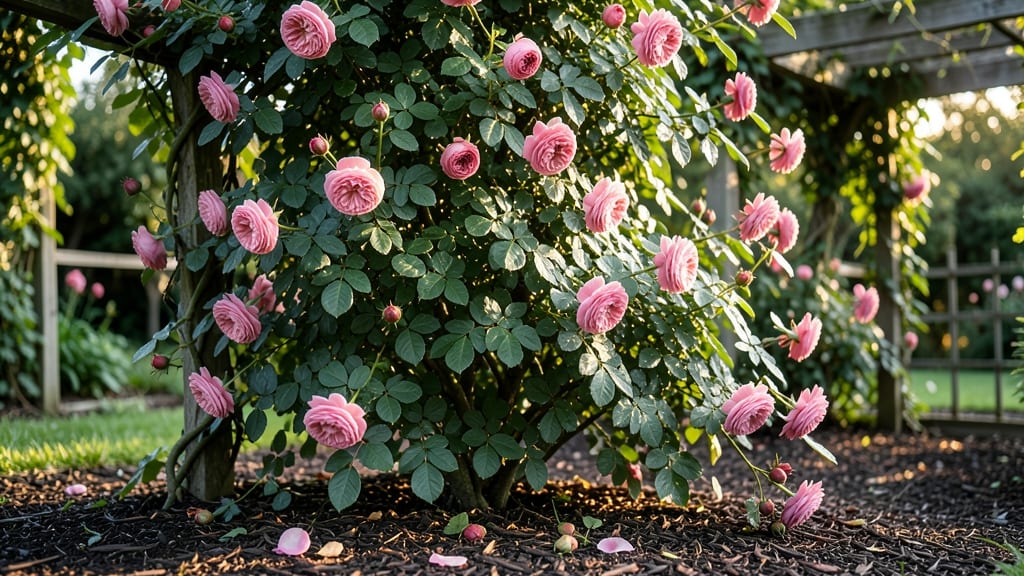
Growing the biggest rose bushes starts with three cuts that transform leggy stems into towering blooming powerhouses. 🌹 I’ve watched 'Zeppelin' and 'Double Delight' climb my trellis by 6 feet in a single season—all thanks to strategic pruning that encourages explosive growth while keeping the plant healthy.
The secret isn’t just cutting more; it’s cutting right—at the right angle, at the right time, and on the right canes.
These giants thrive in full sun with 6+ hours of direct light daily, rich soil mixed with compost, and regular deep watering. The biggest varieties like 'Belinda’s Dream' need space—plant them 3-4 feet apart to avoid crowding, and mulch heavily to retain moisture and protect roots.
I’ve seen roses double in size just by amending clay soil with organic matter before planting.
By mastering these three pruning cuts—heading back, thinning, and cleaning up—you’ll coax roses to grow taller, fuller, and more productive. Imagine a bush heavy with blooms from May through October, with stems thick enough to support their own weight.
The key is patience: these plants reward consistent care with dramatic growth over time.
Works for climbers, shrub roses, and even hybrid teas. Whether you’re training them up a fence or letting them sprawl as a hedge, these techniques maximize size without sacrificing beauty. Let’s get those shears ready!
📚 In This Guide
- What you need
- Instructions
- Tips and common mistakes
- Wrapping up and next steps
What you need
- ● Rose Bushes: Choose disease-resistant varieties like David Austin English Roses or Knock Out Roses (3-5 plants for optimal spacing).
- ● Well-Draining Soil: 5-10 bags of compost (1 cubic yard per 10 bushes) + 10 lbs of organic rose fertilizer (e.g., 5-10-5 NPK ratio).
- ● Pruning Tools: 1 pair of bypass pruners (sharp, clean, and sterilized).
- ● 1 pair of loppers (for thicker stems, 20-24" cutting capacity).
- ● 1 pruning saw (for stubborn branches).
- ● Support System: 6-10 rose trellises or cage supports (6-8 ft tall, galvanized metal or sturdy wood).
- ● Mulch: 2-3 bags of wood chips or straw mulch (to retain moisture and suppress weeds).
- ● 1 hose with adjustable nozzle (for deep watering).
- ● 1 soil pH tester (ideal range: 6.0–6.5; amend with lime or sulfur if needed).
- ● 1 rose-specific fungicide (e.g., copper-based or neem oil spray for prevention).
- ● 1 slow-release fertilizer spikes (for seasonal feeding).
- ● 1 gardening gloves (to protect hands from thorns and chemicals).
Instructions for cultivating large, high-bloom rose bushes
Here's how to coax your roses into robust, prolific bloomers using precise pruning techniques—and no, you won't sacrifice next year's flowers.
✂️ Step 1: Perform the "Three-Cut" Pruning in Late Winter
Wait until your region's last frost has passed but before buds swell—typically mid-February to early March in most climates. Grab your sharp bypass pruners and start by removing any dead, diseased, or crossing branches first. These compete for energy and invite pests. Cut at a 45-degree angle just above an outward-facing bud, about ¼ inch above it.
Next, make your first structural cut: remove last year's blooming stems down to the first 5-leaflet leaf (a telltale sign of mature wood). This forces the plant to redirect energy into new growth rather than repeat blooms. I like to leave 3-4 strong canes per bush—any more creates crowding, any fewer risks weak structure.
✂️ Step 2: Shape for Airflow and Light Penetration
Step back and visualize your bush as an open vase shape. Aim for a center with space—this prevents fungal issues like black spot. Cut back remaining stems to 18-24 inches tall, making sure each cut ends at a bud angled away from the center. Use your thumb to feel for the bud's position before slicing.
For hybrid teas and grandifloras, remove all but the strongest 2-3 stems—these varieties bloom on new wood and need aggressive pruning. For floribundas and shrub roses, leave more stems (up to 6) since they bloom on both old and new wood. You'll know you've done this right when sunlight can reach the innermost branches without obstruction.
🌱 Step 3: Stimulate New Growth with Fertilizer and Water
Within 7-10 days of pruning, apply a balanced 10-10-10 fertilizer at half-strength to avoid root burn. Focus on the outer edges of the root zone—this encourages outward growth rather than leggy stems. Water deeply (about 1-2 gallons per bush) to help roots recover from pruning stress.
Watch for new shoots emerging from the base and along canes within 3-4 weeks. These are your "candidates" for next year's blooms. Thin them to 3-4 per stem if crowded—too many weak stems mean fewer, smaller flowers. Mulch with 2-3 inches of organic matter (like shredded bark) to retain moisture and regulate soil temperature.
☀️ Step 4: Maintain Through the Growing Season
Once buds form, deadhead spent blooms immediately by cutting just above the first 5-leaflet leaf below the bloom. This redirects energy to new flowers instead of seed development. For repeat-blooming varieties, do this every 2 weeks during peak bloom season. You'll see secondary flushes appear within 3-5 days of deadheading.
Adjust watering as temperatures rise: deep water 2-3 times weekly during droughts, but never let water pool at the base. Yellowing leaves? That's often overwatering—roses hate soggy roots. Instead, water when the top 2 inches of soil feel dry to the touch. A morning watering schedule prevents fungal spores from settling on wet foliage overnight.
Tips & tricks for maximizing rose bush blooms
These precision techniques will transform your roses from ordinary to showstopping—without sacrificing next year's growth.
Tool Precision: Never use dull pruners—they crush stems instead of cleanly cutting. I invest in sharp bypass pruners and hone them annually. For thick canes over ½-inch, use loppers with a 45-degree angle cut just above the bud. The cleaner the cut, the faster the plant heals and the more energy it directs to blooms.
Bud Orientation: In Step 2, when shaping your bush, always cut at a bud facing outward—this creates an open vase shape that prevents fungal diseases like black spot. I test bud direction by running my thumb along the stem: if the bud's eye points away from the center, that's your target. This simple trick ensures sunlight reaches all branches for even growth.
Fertilizer Timing: The 7-10 day window after pruning is critical for fertilizer application. I use a slow-release 10-10-10 blend at half-strength to avoid shocking the roots. Focus applications on the outer root zone—this encourages outward growth rather than leggy stems reaching for sunlight. Think of it as redirecting the plant's growth compass toward the edges where you want those big blooms.
Deadheading Strategy: When deadheading every 2 weeks, always cut just above the first 5-leaflet leaf below the bloom. This leaves a strong growth point for next year's flowers while redirecting energy to new blooms. I mark my calendar with bloom cycles so I never miss this critical 3-5 day window between deadheading and new bud formation. The consistency makes all the difference in continuous blooming.
Pro Tips for Biggest Rose Bushes
- These precision techniques will transform your roses from ordinary to showstopping—without sacrificing next year's growth.
- Tool Precision: Never use dull pruners—they crush stems instead of cleanly cutting.
- Bud Orientation: In Step 2, when shaping your bush, always cut at a bud facing outward—this creates an open vase shape that prevents fungal diseases like black spot.
Frequently asked questions
How do I know if my rose bush is big enough to prune?
Prune roses when they’re dormant (late winter/early spring) or after their first major bloom. A mature rose bush—typically 3-5 years old—can handle aggressive pruning. Look for woody stems and last year’s growth to guide your cuts. Pro tip: If your bush is still leggy or sparse, it’s not ready yet!
When is the best time to plant the biggest rose bushes?
Plant roses in early spring (after the last frost) or fall (6-8 weeks before the first frost). This gives roots time to establish before extreme weather. Avoid planting in summer heat or winter cold—both stress young bushes. Bonus: Fall-planted roses often bloom earlier the next year!
What’s the easiest way to make my rose bush grow bigger?
Focus on three key factors:
- Sunlight: 6+ hours of direct sun daily.
- Watering: Deep water 1-2 inches per week (more in heatwaves).
- Fertilizer: Use a balanced rose food (like 10-10-10) in spring and summer.
Why aren’t my rose blooms as big as I expected?
Oversized blooms need proper care. Check for:
- Overcrowding: Trim nearby plants for better airflow.
- Underfeeding: Roses love phosphorus (middle number in fertilizer) for blooms.
- Pests/disease: Yellow leaves or black spots? Treat with neem oil or fungicide.
Can I grow giant rose bushes in containers?
Yes! Choose large containers (15+ gallons) with drainage holes and use a well-draining potting mix. Dwarf or miniature roses thrive in pots, but climbing or shrub roses need extra support (like trellises). Watering tip: Containers dry out faster—check soil moisture daily in summer!
Wrapping up and next steps
Growing the biggest, most vibrant rose bushes is all about patience, the right techniques, and a little love! With the three proven pruning cuts and the materials you now know, your roses will thrive and reward you with stunning blooms year after year. 🌹
Ready to take the next step? Start pruning this season—grab your shears, mark those cuts, and watch your garden transform! For even more tips, join our gardening community or explore advanced rose care guides to keep those blooms coming!