
Shrubs
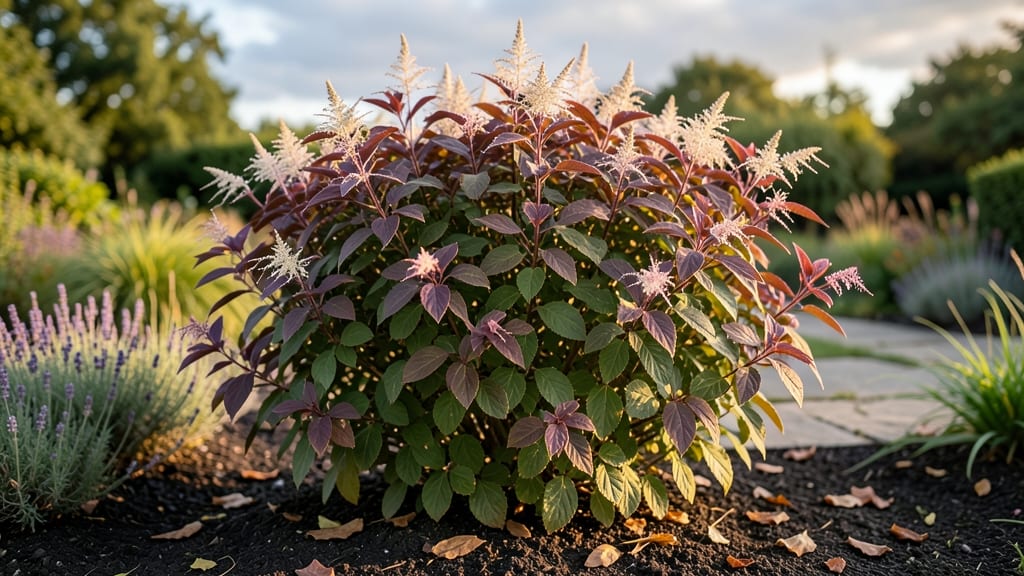
The smoke bush thrives in sun or shade 🌿, but the difference in light can transform its stunning foliage from smoky purple to golden yellow.
Struggling to decide where to plant your smoke bush? This versatile shrub handles both sun-drenched gardens and shady corners—but the results can look wildly different. Some varieties practically beg for sunlight, while others fade in harsh afternoon rays.
For the best color and growth, we’ll break down how each top cultivar responds to light, from the deep burgundy of 'Royal Purple' to the chartreuse of 'Golden Spirit'.
You’ll also learn how to adjust care by season, so your smoke bush stays vibrant whether it’s baking in summer sun or tucked under a tree’s dappled shade.
Ready to get it right? I’ll walk you through the signs of perfect light, the mistakes that dull its signature smoky haze, and the easiest ways to keep it thriving in your zone.
 Best Window Placement
Sun vs shade tolerance: how smoke bush varieties handle light differently
If you're wondering whether your smoke bush thrives better in full sun or partial shade, the answer depends entirely on the variety you've chosen.
While smoke bushes are famously adaptable, some cultivars like 'Royal Purple' demand more sunlight to showcase their signature deep purple foliage, while others like 'Grace' tolerate shadier spots with grace. Let's break down how each responds to light conditions and what that means for your garden planning.
The key to maximizing your smoke bush's potential lies in understanding how light intensity affects its growth rate, color vibrancy, and even its pruning needs.
For instance, 'Golden Spirit' may develop more muted tones in deep shade, while 'Royal Purple' could revert to green if deprived of sufficient sunlight. Let's explore these differences variety by variety so you can place your smoke bush where it will truly shine.
Here's a quick comparison to help you visualize how each smoke bush variety responds to different light conditions before we dive deeper:
Let's start with 'Royal Purple', my personal favorite for sun-loving gardens. This variety absolutely craves sunlight to maintain its stunning deep purple foliage. When planted in full sun, you'll see that signature color intensify dramatically, creating a dramatic focal point in your landscape.
However, if you place it in deep shade, the leaves may revert to green, losing that showstopping hue that makes this cultivar so popular. The good news? It still thrives in partial shade (4-6 hours of sunlight), though the color will be less vibrant.
For 'Grace', the shade-tolerant champion, you've got more flexibility. This variety handles partial shade beautifully and can even survive in full shade, though its growth may be slower.
The foliage takes on a softer pink-purple tone that's equally charming, though it won't be as bold as in sunnier spots.
What I love about 'Grace' is its ability to thrive in understory plantings beneath taller trees, making it perfect for woodland gardens or shady corners where other smoke bushes might struggle.
Now, let's talk about 'Golden Spirit', the golden child of smoke bushes. This variety demands sunlight to maintain its bright golden-yellow foliage. In full sun, the color is vibrant and eye-catching, while in partial shade, it may revert to a more muted green.
The growth rate also accelerates in full sun, so if you're looking for a faster-growing smoke bush, this is your best bet—but only if you can provide plenty of light. Interestingly, 'Golden Spirit' handles hotter climates better than other varieties, making it a great choice for southern gardens.
When it comes to pruning needs, light conditions play a subtle but important role. In full sun, smoke bushes generally grow more vigorously, which means you may need to prune more frequently to maintain your desired shape.
For 'Royal Purple' and 'Golden Spirit', I recommend a light pruning in late winter to remove any dead or damaged branches and encourage new growth.
In shadier conditions, growth is slower, so you can prune less aggressively—just enough to shape the plant and remove any overcrowded branches.
One common mistake I see is assuming all smoke bushes are equal when it comes to light. For example, planting 'Royal Purple' in deep shade might leave you disappointed when the foliage doesn't reach its full purple potential.
On the other hand, 'Grace' might flop in full sun during hot summers, as it's more adapted to cooler, shadier environments. Always match the variety to its ideal light conditions to ensure the best results.
If you're still unsure about your garden's light conditions, here's a quick tip: observe your space during the peak sunlight hours (10 AM to 2 PM). If the area gets 6+ hours of direct sunlight, it's full sun.
Between 3-6 hours? That's partial shade. Less than 3 hours? You're looking at full shade. Armed with this knowledge, you can confident
Optimal light conditions for smoke bush growth by season
Your smoke bush (Cotinus coggygria) is one of those magical shrubs that seems to thrive almost anywhere—but its light needs shift dramatically by season. In spring, young plants need gentle sunlight to establish roots, while summer heat demands afternoon shade protection.
Understanding these seasonal shifts is key to unlocking vibrant foliage and robust growth year-round.
Let’s break down how to adjust your smoke bush’s light exposure for each season, including climate zone considerations. Whether you’re in Zone 5 with harsh winters or Zone 9 with year-round warmth, these tips will keep your plant happy.
For example, 'Royal Purple' varieties love morning sun but need shade by noon in hot climates.
| Season | Ideal Light Conditions | Climate Zone Notes | Care Adjustments |
|---|---|---|---|
| Spring | 4-6 hours morning sun | Zones 3-6: Protect from late frosts; Zones 7-9: Gradual sun exposure | Water deeply 2x/week; avoid overhead watering |
| Summer | Full sun with afternoon shade | Zones 7-9: Critical shade by 2 PM; Zones 3-6: Dappled light preferred | Mulch to retain moisture; reduce watering to weekly |
| Fall | 6+ hours bright light for color | All zones: Maximize foliage intensity; avoid deep shade | Fertilize lightly with 10-10-10; prune dead branches |
| Winter | Partial shade or filtered light | Zones 3-5: Protect from wind; Zones 6-9: Minimal adjustments needed | Water sparingly; avoid pruning until spring |
In spring, focus on establishing your smoke bush with gentle morning sunlight—this helps prevent leaf scorch as new growth emerges. If you’re in Zone 7 or higher, watch for afternoon heat and provide dappled shade using sheer curtains or nearby trees.
For 'Grace' varieties, even partial shade is ideal during this season.
When summer arrives, your smoke bush’s tolerance for full sun increases—but only if you adjust for heat stress. In Zones 8-10, move potted smoke bushes to shaded patios by midday, or use a lightweight shade cloth (30-50% coverage).
Varieties like 'Golden Spirit' will reward you with brighter foliage when given afternoon relief from direct sun.
Fall is when your smoke bush’s foliage color really shines—this is the time to maximize light exposure. Place your shrub in the sunniest spot in your garden, even if it’s been in partial shade all summer.
A light application of balanced fertilizer (10-10-10) in early fall will enhance those smoky hues, especially in 'Royal Purple' cultivars.
During winter dormancy, your smoke bush’s light needs drop significantly. In Zones 5-7, provide some protection from harsh winds by placing it near a southeast-facing wall, which offers gentle winter sun.
Avoid deep shade entirely—even filtered light helps maintain plant health until spring. If you notice yellowing leaves, it’s often a sign of insufficient light during dormancy.
Pro tip: Use a light meter or observe your smoke bush’s leaves—healthy foliage should stay vibrant and upright. If edges turn brown in summer, it’s a clear sign of too much direct sun. Adjust gradually over 2-3 weeks to avoid shocking the plant.