
Shrubs
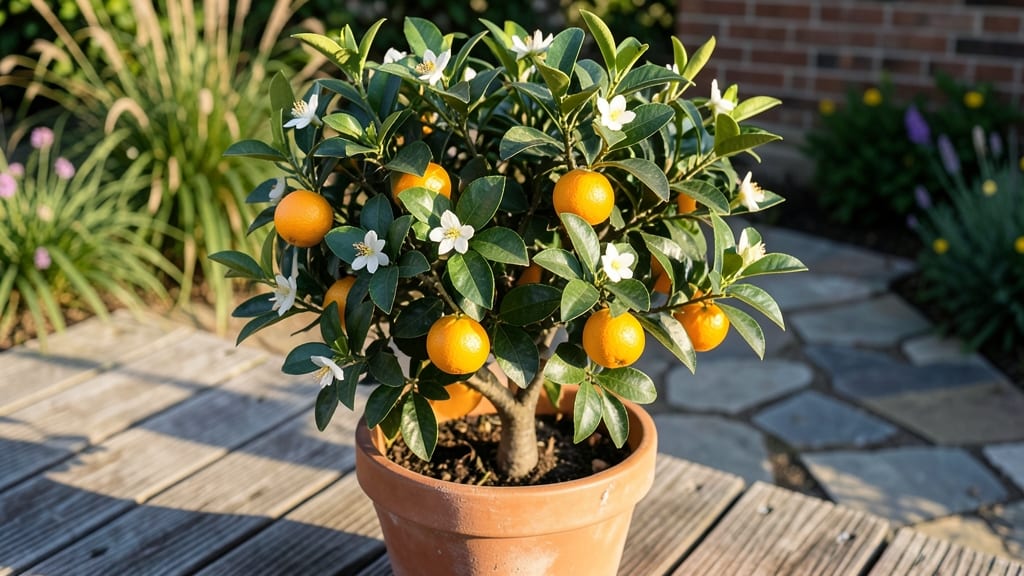
A small orange berry bush typically refers to compact shrubs like the firethorn (Pyracantha) or orange barberry (Berberis thunbergii ‘Orange Rocket’), producing bright orange-red berries prized for wildlife and ornamental value. These sun-loving plants thrive in well-drained soil and require minimal pruning for dense growth.
When you're looking for a compact berry-producing shrub with vibrant fall color, these varieties deliver year-round interest. 🌿 Firethorn, for example, grows 6-10 feet tall but can be pruned to maintain a manageable size, while orange barberry stays more controlled at 3-5 feet.
Both plants attract birds and pollinators, making them excellent choices for eco-friendly landscapes. The berries typically ripen in late summer to fall, providing a striking contrast against the shrubs' glossy foliage.
These shrubs aren't just pretty—they're tough. They handle drought once established and tolerate a range of soil types, though they do best in well-draining conditions. I've found that mulching around the base helps retain moisture while preventing weeds, which is especially helpful during their first growing season.
The key to keeping them healthy is regular watering during their first year and light pruning in late winter to shape the plant and encourage new growth.
💡 In This Article
- Identifying Small Orange Berry Bushes: Key Plant Characteristics
- Growing Tips for Thriving Orange Berry Shrubs
Identifying small orange berry bushes: key plant characteristics
First, let's talk about what makes these shrubs visually distinct. Firethorn (Pyracantha) has dark green, leathery leaves that turn brilliant shades of red, orange, or purple in fall—sometimes even when berries aren't present.
The berries themselves are ½-inch to ⅝-inch round, starting green and maturing to bright orange-red by late summer. What's fascinating is how these berries persist on the plant through winter, creating a stunning winter display that birds adore.
The orange barberry (Berberis thunbergii 'Orange Rocket') takes a different approach with its spiny stems and small, oval leaves that develop fiery orange hues in fall. Its berries are ¼-inch oval and typically deep red-orange, though some varieties produce true orange fruit.
Here's where climate comes into play: In warmer southern climates, berries may ripen earlier (June-July), while in colder northern regions, they often wait until September-October. The berry color variation actually comes from different anthocyanin pigments reacting to sunlight exposure and temperature fluctuations during fruit development.
Now let's compare these to cotoneaster, another common berry shrub. While cotoneaster produces similar-sized berries, its leaves are smaller and more rounded, and its growth habit is more upright and less dense.
The key identifier is the berry arrangement: firethorn clusters berries in dense 1-2 inch groups, while cotoneaster typically has them in single or paired formations. This density is why firethorn makes such an excellent bird feeder—birds can easily access the clustered berries even in winter storms.
Seasonal color changes are where these shrubs truly shine. Firethorn's foliage can turn crimson red in cold snaps, while barberry develops bright orange-red new growth in spring that lasts through fall.
What's less obvious is how the berries themselves change color: they start green due to chlorophyll, then develop red pigments from anthocyanins as they ripen.
In some varieties, these pigments combine with carotenoids to create true orange hues—this is why you'll see color variations from plant to plant, even within the same species.
Here's a quick visual comparison to help you identify:
- Firethorn: Leathery leaves, dense berry clusters, spreads 6-10 ft (prunable to smaller size)
- Orange Barberry: Spiny stems, single berries, 3-5 ft tall, orange fall foliage
- Cotoneaster: Small rounded leaves, paired berries, upright growth, red fall color
What most gardeners don't realize is how these plants' growth habits affect their identification. Firethorn naturally grows as a multi-stemmed shrub with arching branches, while barberry has a more erect, columnar form.
This growth difference means firethorn works better as a hedge or backdrop plant, while barberry excels as a focal point or mixed border shrub. The berry persistence through winter is also a game-changer—it's one reason these shrubs are so popular in cold climates where winter interest is limited.