
Planting
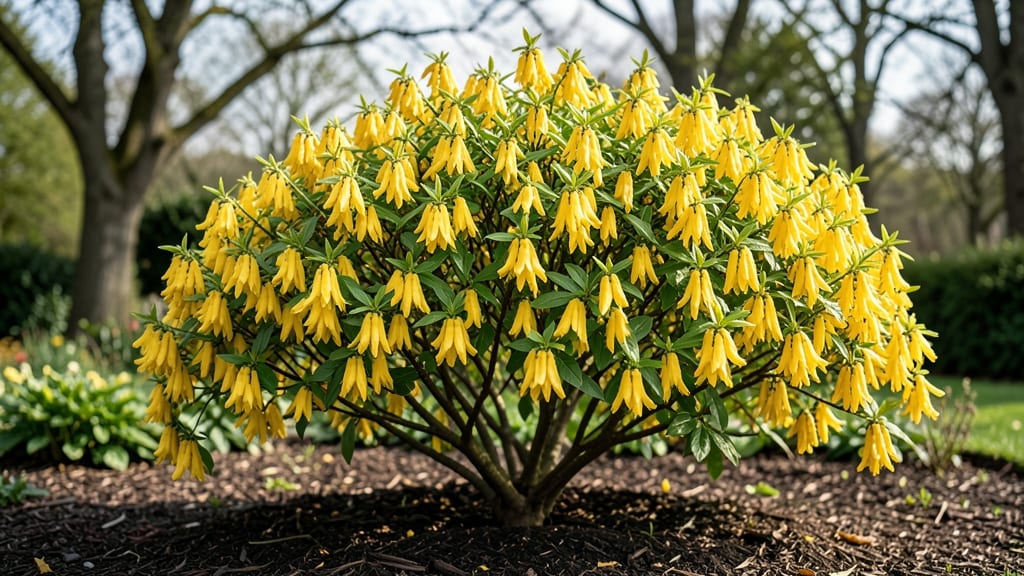
The Sharon bush plant 🌸 is the fast-growing, fragrant superstar of spring gardens, turning any yard into a blooming, scent-filled oasis with minimal effort.
Picture this: a 3-foot-tall shrub bursting with delicate white or pink flowers by late May, its sweet fragrance lingering in the breeze—all while demanding less fuss than most annuals.
That’s the magic of the Sharon bush, a hardy perennial that thrives in USDA Zone 6a and beyond with just the right care.
But here’s the catch: plant it in the wrong spot, and you’ll end up with leggy stems and sparse blooms. Too much shade? Fewer flowers. Overwatering? Root rot.
Get the soil, sunlight, and pruning right, though, and you’ll have a low-maintenance shrub that rewards you for years with vibrant color and intoxicating scent.
In this guide, I’ll walk you through everything—from the ideal planting window (April-May) to pruning secrets that keep your Sharon bush looking lush and blooming like clockwork. Let’s get started!

Sharon bush plant care guide: soil, sunlight, and watering essentials
The Sharon bush plant (commonly Deutzia or Weigela varieties) thrives with the right balance of sunlight, well-draining soil, and consistent watering. These fragrant shrubs reward gardeners with vibrant blooms and minimal fuss once established.
Understanding their ideal growing conditions is key to maximizing their beauty and longevity in your landscape.
Native to regions with mild winters and warm summers, Sharon bushes prefer USDA Zones 5-9. Their fast growth and drought tolerance make them perfect for sunny gardens, but they still need proper care to flourish.
Let’s break down the essentials for soil, sunlight, and watering to keep your Sharon bush healthy and blooming abundantly.
Soil requirements are critical for Sharon bushes. They thrive in loamy, slightly acidic soil with a pH between 5.0 and 6.5. Amending heavy clay soil with compost or organic matter improves drainage, while sandy soil benefits from peat moss or coconut coir to retain moisture. Avoid waterlogged conditions, as these shrubs dislike soggy roots.
For sunlight exposure, Sharon bushes need at least 6 hours of direct sun daily for optimal blooming. While they tolerate partial shade, reduced sunlight can lead to fewer flowers.
In hot climates, afternoon shade helps prevent leaf scorch. Place your bush where it gets morning sun and afternoon shade if temperatures frequently exceed 90°F.
| Care Essential | Requirement | Specification |
|---|---|---|
| Soil Type | Drainage | Well-draining, loamy |
| Soil pH | Acidity | 5.0–6.5 (slightly acidic) |
| Sunlight | Daily Exposure | 6+ hours full sun |
| Watering | Frequency | Deep watering every 7–10 days |
| Fertilizer | Type | Balanced 10-10-10 |
| Seasonal Care | Spring | Feed + prune after blooms |
| Seasonal Care | Winter | Mulch to protect roots |
Your watering schedule should adjust with the seasons. Newly planted Sharon bushes need weekly deep watering to establish roots, while mature plants thrive on every 7–10 days during dry spells.
In summer, increase frequency to every 5–7 days if rainfall is minimal. Always water at the base of the plant in the morning to reduce fungal risks and evaporation.
Mulching plays a crucial role in retaining moisture and regulating soil temperature. Apply a 2–3 inch layer of organic mulch (like shredded bark or pine needles) around the base, keeping it 3 inches away from the trunk.
This protects roots from extreme temperatures and reduces weed competition, ensuring your Sharon bush stays healthy year-round.
Seasonal adjustments are key to long-term success. In spring, fertilize with a balanced 10-10-10 formula to encourage new growth, and prune after flowering to shape the bush. During summer, monitor soil moisture closely and provide afternoon shade if temperatures soar.
In fall, reduce watering and apply a thick layer of mulch to prepare for winter dormancy.
Overwatering is a common mistake that can lead to root rot. Always check soil moisture by inserting your finger 2 inches deep—if it feels dry, it’s time to water.
Sharon bushes are surprisingly drought-tolerant once established, so err on the side of underwatering rather than overwatering. This hardiness makes them ideal for low-maintenance gardens.
If you notice yellowing leaves or wilting, it may signal overwatering or poor drainage. Amend the soil with compost and adjust your watering routine. Conversely, brown leaf edges often indicate underwatering or high salt buildup from tap water. Use rainwater or filtered water when possible to maintain plant health.
With the right care, your Sharon bush plant will reward you with years of fragrant blooms and lush foliage. Focus on well-draining soil, ample sunlight, and consistent (but not excessive) watering, and you’ll enjoy a thriving, low-maintenance shrub that enhances any garden. Happy growing!
How to prune and maintain a healthy Sharon bush plant
A well-maintained Sharon bush (Deutzia) thrives with proper pruning techniques and seasonal care. Regular trimming encourages vibrant blooms, improves air circulation, and prevents disease buildup. Whether you're a beginner or seasoned gardener, these step-by-step tips will keep your shrub lush and healthy for years.
Timing is everything when pruning Sharon bushes. The best time to prune is late winter or early spring, just before new growth begins. This spring pruning removes dead or weak branches while stimulating fresh foliage.
Avoid heavy pruning in fall or winter, as it can stress the plant before dormancy.
Before you begin, gather your tools: sharp bypass pruners, sterilized shears, and gloves. Always disinfect your tools with rubbing alcohol to prevent spreading bacterial infections. Start by removing any dead, diseased, or crossing branches first—these can hinder growth and attract pests.
To shape your Sharon bush, focus on open-centered pruning. This method removes branches from the center of the plant to improve light penetration and airflow.
Use your pruners to make clean cuts at a 45-degree angle, just above an outward-facing bud. This encourages growth in the right direction.
After pruning, monitor your plant for signs of stress or disease. Yellowing leaves may indicate overwatering, while brown edges could signal underwatering or sunburn.
Apply a balanced fertilizer (10-10-10) in early spring to support recovery. Mulch around the base with organic matter to retain moisture and suppress weeds.
Throughout the growing season, perform light maintenance pruning to remove spent blooms and stray shoots. This keeps your Sharon bush tidy and encourages continuous flowering. In fall, reduce watering slightly but avoid heavy pruning—let the plant rest for winter.
With consistent care, your shrub will reward you with abundant, fragrant blooms year after year.